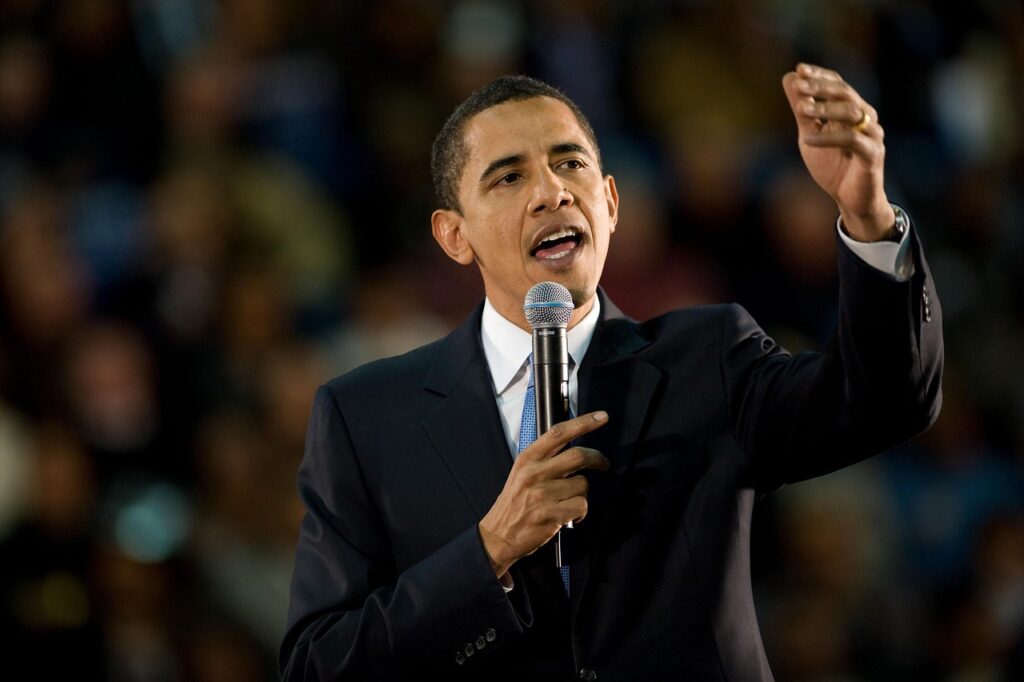

Colorado Attorney General Phil Weiser secured the Democratic nomination for governor late Tuesday night, as the Associated Press projected his victory in the state’s pivotal primary election. Weiser, who has served as the state’s top legal officer since 2019, successfully fended off internal party challenges to consolidate his position as the Democratic candidate heading into the general election. The win marks a significant milestone in Colorado’s shifting political landscape as the state prepares for a competitive autumn campaign cycle.
Understanding the Context of the Primary
The race for the Democratic nomination reflects broader trends in Colorado politics, where the party has held the governor’s office for over a decade. As the current Attorney General, Weiser brought a high level of name recognition and an established record on consumer protection and civil rights to the contest.
Voters in this primary cycle focused heavily on issues ranging from economic stability and housing affordability to the state’s response to climate change. Weiser’s campaign emphasized his experience in navigating complex legal frameworks and his commitment to maintaining the current administration’s policy trajectory.
Campaign Dynamics and Key Issues
Throughout the primary, Weiser positioned himself as a pragmatic leader capable of bridge-building across the state’s diverse geographic and demographic sectors. His campaign strategy leaned on his tenure as Attorney General, where he frequently litigated against federal policies that conflicted with Colorado’s state-level environmental and public health standards.
Data from recent polling indicates that Democratic voters were primarily motivated by concerns regarding the cost of living and the preservation of reproductive rights. Weiser’s platform consistently aligned with these priorities, drawing support from a broad coalition of urban voters and suburban moderates who prioritize institutional stability.
Expert Perspectives and Voter Trends
Political analysts suggest that the results indicate a continued preference for experienced incumbents within the Colorado Democratic Party. Dr. Sarah Jenkins, a political scientist focusing on Western state elections, noted that the primary results underscore a desire for candidates who can demonstrate tangible results in administrative roles.
State election data shows that voter turnout for this primary was consistent with historical averages for non-presidential cycles. The stability of the electorate suggests that the Democratic base remains highly engaged with the party’s current legislative agenda, particularly in the wake of recent economic shifts in the Rocky Mountain region.
Implications for the General Election
The nomination of Phil Weiser sets the stage for a high-stakes general election in November, where the focus will likely shift to broader economic messaging and healthcare access. As the Democratic nominee, Weiser must now expand his outreach to independent voters, who represent a significant and often decisive portion of the Colorado electorate.
Looking ahead, observers should monitor how the campaign handles the tightening fiscal environment and potential inflationary pressures that could influence suburban voting blocs. The coming weeks will reveal how the campaign pivots from primary-focused rhetoric to a statewide strategy designed to contrast with the eventual Republican nominee. The ability to articulate a clear vision for the state’s economic future will likely determine the ultimate outcome in November.