





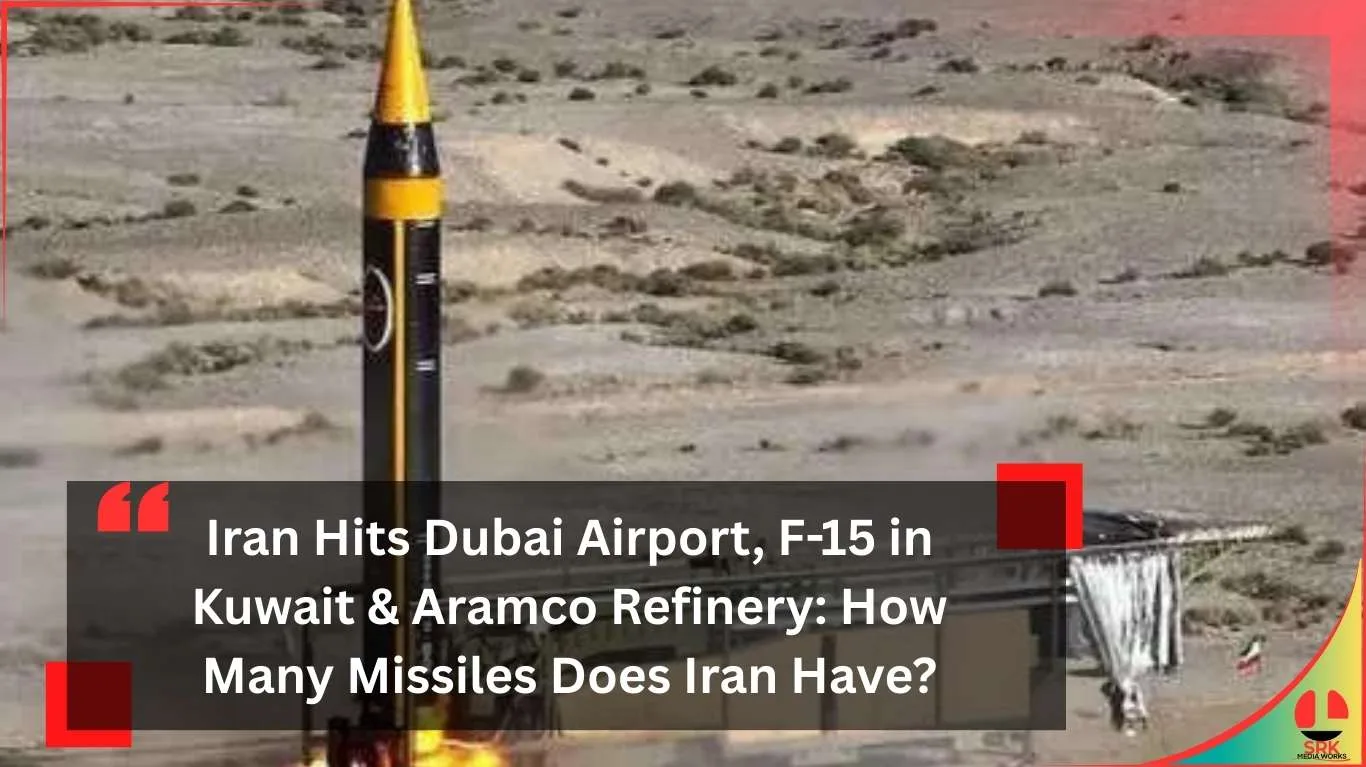
In a dramatic escalation of regional tensions, Iran has claimed responsibility for strikes targeting Dubai airport, a U.S. F-15 fighter jet stationed in Kuwait, and the Aramco refinery in Saudi Arabia. These developments have reignited global concerns about Iran’s missile arsenal, its strategic capabilities, and the potential implications for Middle Eastern stability.
Background of the Strikes
- Dubai Airport: Reports suggest missile strikes disrupted operations, raising fears about civilian safety and economic impact.
- Kuwait F-15 Targeted: A U.S. fighter jet stationed in Kuwait was reportedly hit, signaling Iran’s willingness to confront American assets directly.
- Aramco Refinery: The strike on Saudi Arabia’s oil infrastructure highlights Iran’s ability to target critical energy facilities, threatening global oil supply chains.
Iran’s Missile Arsenal: An Overview
Iran possesses one of the largest and most diverse missile inventories in the Middle East. Its arsenal includes short-range, medium-range, and long-range ballistic missiles, as well as cruise missiles.
Categories of Missiles
| Missile Type | Range | Key Examples | Strategic Purpose |
|---|---|---|---|
| Short-Range Ballistic Missiles (SRBM) | Up to 500 km | Fateh-110, Zelzal | Regional strikes, tactical use |
| Medium-Range Ballistic Missiles (MRBM) | 500–2,000 km | Shahab-3, Sejjil | Targeting Gulf states, Israel |
| Long-Range Ballistic Missiles (Potential) | 2,000+ km | Khorramshahr | Extended deterrence |
| Cruise Missiles | 200–1,500 km | Soumar, Hoveyzeh | Precision strikes, bypassing defenses |
| Anti-Ship Missiles | 200–700 km | Noor, Ghader | Targeting naval assets in Gulf waters |
Estimated Missile Inventory
While exact numbers remain classified, defense analysts estimate Iran’s missile stockpile to be in the thousands, with significant production capacity enabling rapid replenishment.
| Category | Estimated Quantity | Notes |
|---|---|---|
| SRBM | 1,000+ | Widely deployed, mobile launchers |
| MRBM | 300–500 | Key deterrent against regional adversaries |
| Cruise Missiles | 200–300 | Increasing focus on precision strikes |
| Anti-Ship Missiles | 100+ | Used in Gulf naval confrontations |
Strategic Implications of Iran’s Missile Strikes
- Regional Escalation: Strikes on Dubai, Kuwait, and Saudi Arabia risk widening the conflict.
- Energy Security: Targeting Aramco threatens global oil supply and economic stability.
- U.S. Involvement: Attacks on American assets could trigger direct military retaliation.
- Diplomatic Fallout: Heightened tensions may derail ongoing negotiations on nuclear and security issues.
Public and Expert Reaction
- Regional Governments: Condemned the strikes, calling for international intervention.
- Global Analysts: Warned that Iran’s missile capabilities pose a serious challenge to regional defense systems.
- Citizens: Expressed concern over safety, economic disruption, and the risk of war.
Lessons from the Incident
- Missile Defense Importance: Gulf states must strengthen missile defense systems.
- Diplomatic Engagement: Dialogue remains essential to prevent escalation.
- Energy Diversification: Global reliance on Middle Eastern oil makes infrastructure vulnerable.
- Military Preparedness: Regional powers must prepare for asymmetric warfare tactics.
Conclusion
Iran’s claimed strikes on Dubai airport, a U.S. F-15 in Kuwait, and Saudi Aramco refinery underscore the scale and sophistication of its missile arsenal. With thousands of missiles across categories, Iran has positioned itself as a formidable regional power capable of challenging adversaries and disrupting global stability. As tensions rise, the focus must shift to diplomacy, defense preparedness, and strategies to safeguard critical infrastructure.
Disclaimer
This article is based on publicly available information and aims to highlight Iran’s missile capabilities and the implications of its claimed strikes on regional targets. It does not intend to criticize or promote any individual, country, or organization. The content is for informational and educational purposes only, reflecting broader issues in security, defense, and international relations.