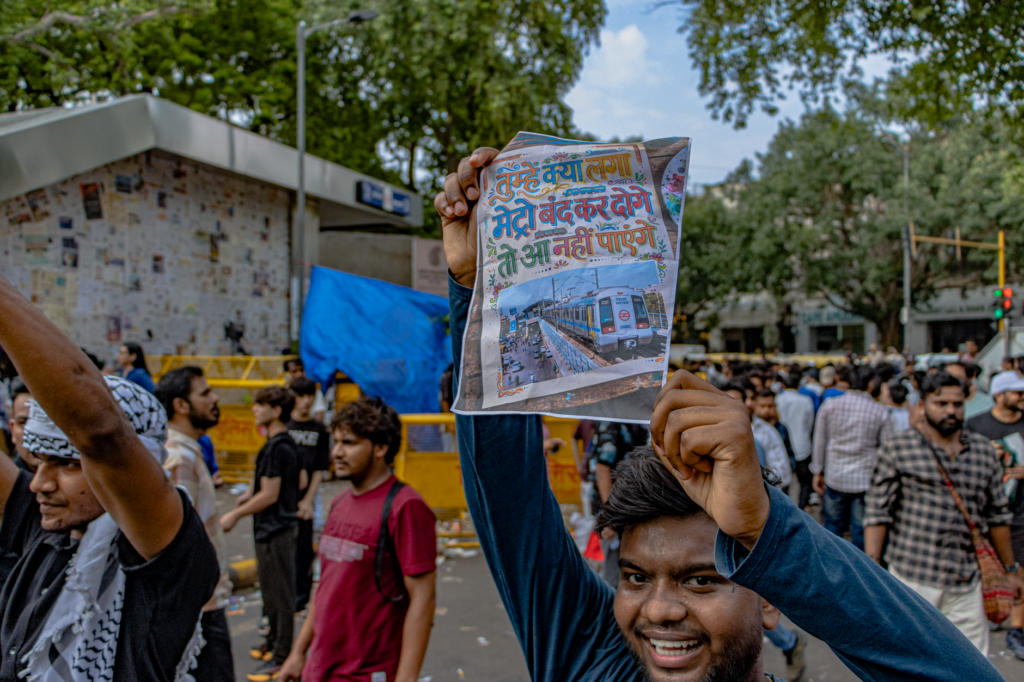

Political developments in the country often trace their roots to persistent grassroots activism and sudden shifts in public pressure. Recently, intense demonstrations led by advocacy groups caught the attention of political observers nationwide. Among the most talked-about events was the high-profile exit of a senior cabinet minister. Understanding the sequence of events requires looking closely at how citizen-led movements manage to influence the highest corridors of power.
Activism and Public Pressure
Citizens for Justice and Peace have long been active in holding authorities accountable. Their campaigns usually center around transparency, civil rights, and governance issues. In this specific instance, the group organized coordinated demonstrations that quickly gained momentum across urban centers. Activists utilized both traditional street mobilization and digital outreach to amplify their grievances, making it difficult for the administration to ignore the rising public discontent.
Insights from Ashutosh Ranka
Key details regarding the strategic planning behind these demonstrations came to light through analysts like Ashutosh Ranka. Observers noted that the timing of the protests coincided with mounting internal pressure within the ruling establishment. Ranka pointed out that the ability of the protest organizers to sustain public focus on specific policy failures created an untenable environment for the leadership. This sustained scrutiny directly contributed to the eventual political fallout.
Political Fallout and Resignation
As the demonstrations grew in scale, the political cost for the administration began to multiply. Calls for accountability shifted from the streets into mainstream political discourse. Shortly after the peak of these protests, Dharmendra Pradhan announced his resignation, catching many political pundits by surprise. While official statements often frame such exits around personal reasons or strategic restructuring, political analysts widely agree that the intense public pressure played a decisive role.
Broader Implications for Governance
This episode highlights the evolving dynamics between civil society organizations and government officials in the country. When grassroots campaigns successfully harness public sentiment, they possess the capacity to alter political trajectories. The events surrounding this major resignation serve as a reminder that accountability remains a powerful force in modern democracy, demonstrating that persistent advocacy can ultimately reshape political leadership.