

Bridging the Gap to Deep Space
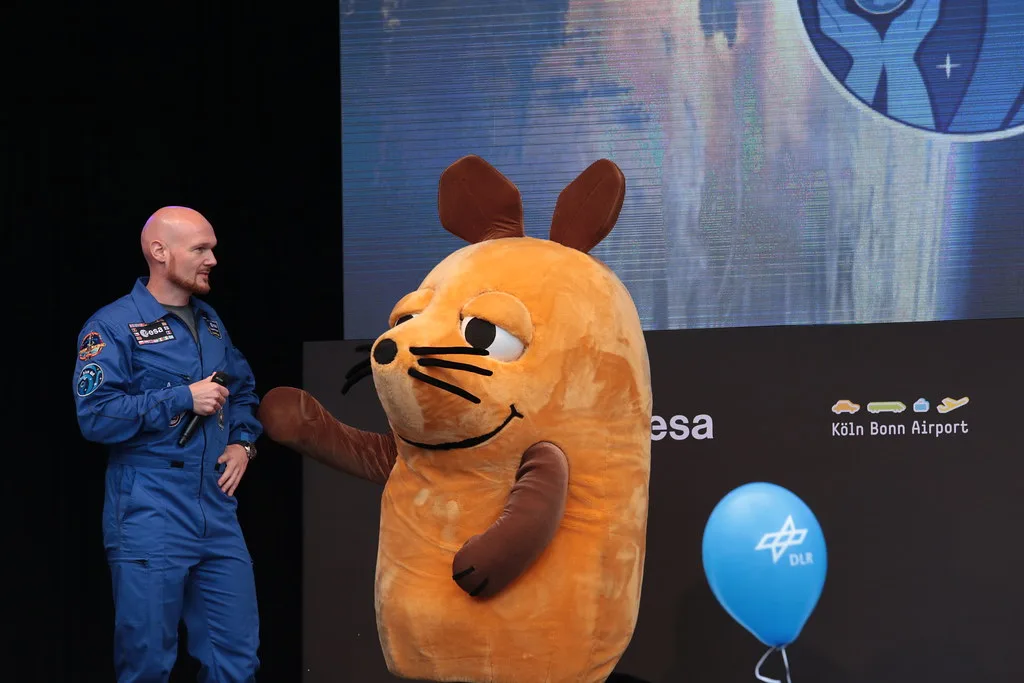
The four crew members of the Artemis II mission participated in a live town hall on CBS Mornings this week, providing students across the United States with a firsthand account of their historic lunar flyby. Held just weeks after their successful splashdown, the event allowed astronauts Reid Wiseman, Victor Glover, Christina Koch, and Jeremy Hansen to recount the physical and emotional intensity of their journey to the moon and back.
The Artemis II mission represents the first time humans have ventured beyond low Earth orbit since the Apollo era. By engaging directly with children, NASA aims to cultivate public interest in the Artemis program, which serves as the foundation for the agency’s long-term goal of establishing a sustainable human presence on the lunar surface and eventually sending crews to Mars.
The Reality of Lunar Flight
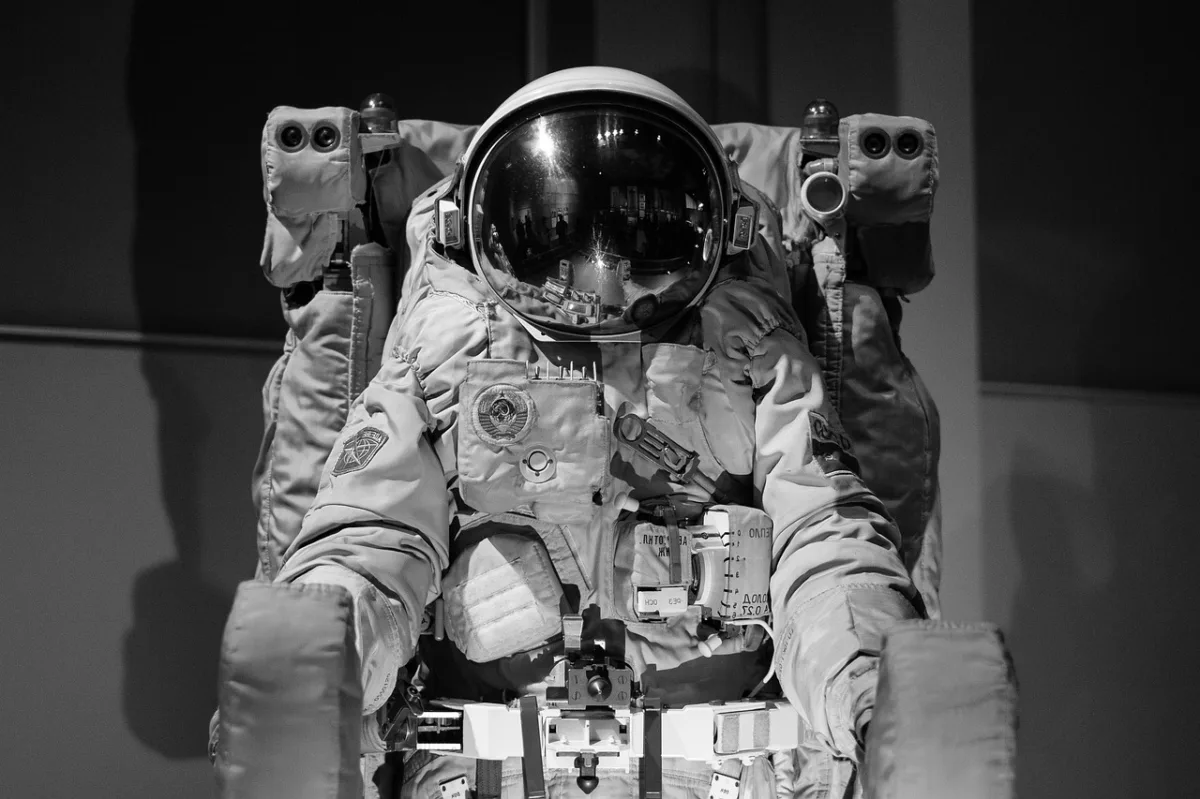
During the broadcast, the crew described the launch experience as a transformative event, with astronaut Victor Glover famously comparing the acceleration to the “best roller coaster ride” he had ever experienced. The astronauts detailed the complex mechanics of the Orion spacecraft, emphasizing the rigorous training required to manage life-support systems while traveling thousands of miles from the safety of Earth.
NASA data indicates that the Artemis II mission successfully verified the performance of the Orion spacecraft’s life support and communication systems in deep space environments. This technical success is vital, as the mission serves as a direct precursor to the Artemis III landing, which will mark the first time a woman and a person of color walk on the moon.
Expert Insights and Educational Impact
Aerospace analysts note that the educational outreach component of the Artemis program is as critical as the engineering milestones. By humanizing the mission through these interactions, NASA is effectively building a pipeline for the future workforce of the burgeoning commercial space industry.
Dr. Elena Rossi, an aerospace educator, suggests that these interactions demystify the complexities of space travel for students. “When children see astronauts who are relatable and capable of describing their awe in simple terms, the barrier to pursuing careers in STEM is significantly lowered,” Rossi noted during a recent industry panel.
Looking Toward the Future
The industry is now shifting its focus toward the technical preparations for Artemis III, which will involve complex rendezvous maneuvers with a lunar lander. Observers should monitor upcoming updates from the Space Launch System (SLS) development teams, as the integration of the Human Landing System (HLS) remains the most significant hurdle for the scheduled 2026 landing window.
As the Artemis program accelerates, the visibility of the crew will likely continue to play a pivotal role in maintaining public support for the multi-billion-dollar initiative. The next phase will see NASA conducting further stress tests on the Orion heat shield and finalizing the training protocols for the upcoming landing crew, marking the transition from exploration flybys to permanent lunar surface operations.