







Legal Challenge Filed Against White House Sporting Event
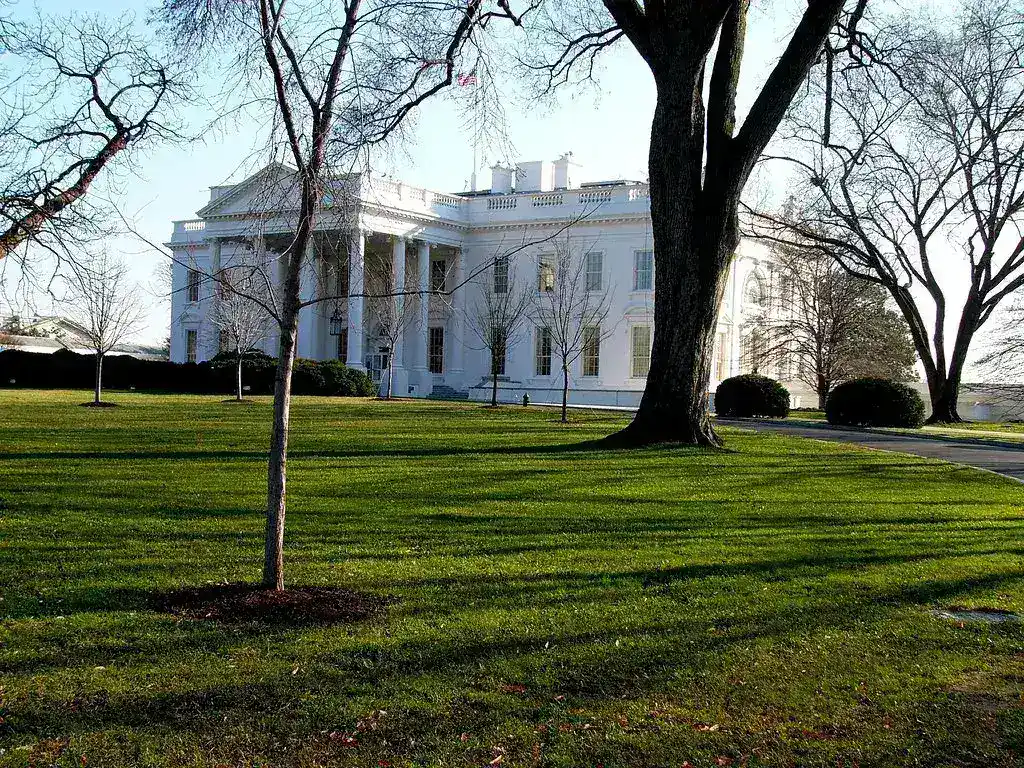
A federal lawsuit filed in Washington, D.C., this week aims to block a proposed Ultimate Fighting Championship (UFC) event scheduled to take place on the White House South Lawn. The litigation challenges the unprecedented use of executive grounds for a commercial sporting event, which organizers have timed to coincide with President Donald Trump’s 80th birthday and the United States’ 250th anniversary celebration.
The plaintiffs, a coalition of government watchdog groups and local historical preservation advocates, argue that the event violates federal statutes governing the use of public property. They contend that hosting a professional combat sports card on the grounds of the executive mansion transforms a site of national historical significance into a commercial venue for private gain.
Historical and Legal Precedent
The South Lawn has traditionally served as a venue for state dinners, holiday celebrations, and official ceremonies. However, the proposal to install a temporary octagon and seating for thousands marks a departure from established norms regarding the use of the 18-acre estate.
Legal scholars point to the Antideficiency Act and regulations surrounding the National Park Service’s jurisdiction over presidential grounds. The lawsuit asserts that the event lacks the necessary legislative approval and environmental impact studies required for large-scale commercial activations on federal land.
The Intersection of Politics and Sports
The announcement of the event has drawn sharp reactions from both political and sports industry analysts. Proponents of the spectacle argue that it showcases a modern, populist approach to national celebrations, effectively merging the cultural influence of mixed martial arts with the prestige of the presidency.
Conversely, critics highlight the logistical challenges and security risks inherent in hosting a high-contact sporting event at the seat of government. Industry experts suggest that the move could set a precedent for future administrations to monetize federal property for entertainment purposes, potentially altering the public’s perception of executive spaces.
Expert Perspectives and Data
Constitutional law experts note that the case hinges on the interpretation of executive authority versus the preservation of national landmarks. “The court must determine if this constitutes an ‘official’ use of the property or if it crosses the line into a commercial enterprise,” says legal analyst Marcus Thorne. Data from the General Services Administration indicates that commercial events on federal property typically require rigorous bidding processes and public oversight, both of which are absent in this private arrangement.
The UFC has not yet released specific details regarding ticket distribution or the financial structure of the event. However, analysts estimate that a pay-per-view event of this magnitude could generate significant global revenue, further complicating the legal argument regarding the commercialization of public space.
Future Implications for Federal Land Use
The outcome of this lawsuit will likely establish a lasting legal framework for how the White House grounds can be utilized for public-facing events in the future. If the court grants an injunction, it may effectively bar similar large-scale entertainment productions on federal property for years to come.
Observers are now watching for the Department of Justice’s formal response to the filing, which is expected within the next ten days. The court’s decision will serve as a bellwether for the boundaries between executive privilege and the public trust, as the nation approaches its 250th anniversary.