




A significant fire broke out aboard the U.S. Navy guided-missile destroyer USS Higgins (DDG 76) on an unspecified date, causing substantial damage that reportedly knocked out the vessel’s power and propulsion systems. The incident, which occurred while the ship was at sea, has temporarily removed a key asset from the Navy’s forward-deployed fleet in the Indo-Pacific region, raising concerns about operational readiness and the safety of naval assets.
Context of Naval Operations in the Indo-Pacific
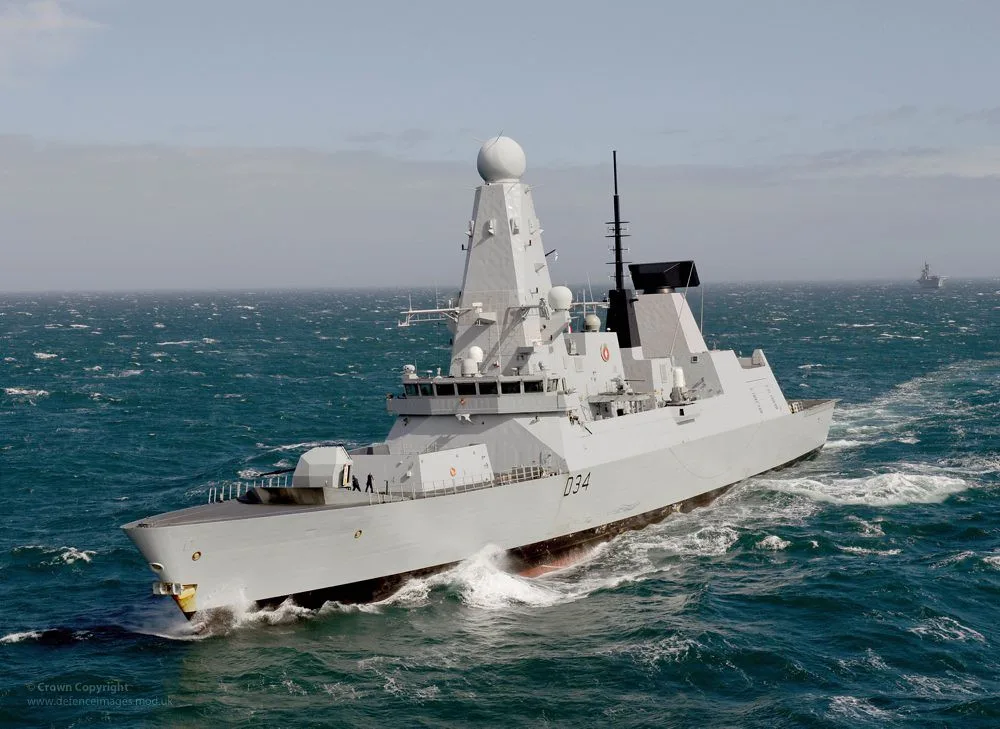
The USS Higgins is a 509-foot Arleigh Burke-class destroyer, a critical component of the U.S. Navy’s presence in the Indo-Pacific. These ships are designed for multi-mission capabilities, including anti-air, anti-surface, and anti-submarine warfare. They operate from forward bases, allowing the U.S. to project power and maintain stability in a strategically vital and increasingly tense region. The presence of such destroyers is a cornerstone of U.S. alliances and deterrence strategies.
The Indo-Pacific theater is characterized by complex geopolitical dynamics, including territorial disputes, maritime security challenges, and the growing influence of various naval powers. U.S. Navy destroyers like the Higgins are frequently involved in freedom of navigation operations, joint exercises with allies, and responding to regional security incidents. Their operational availability is therefore closely monitored by both allies and potential adversaries.
Details of the Incident
Details surrounding the exact cause and timeline of the fire aboard the USS Higgins remain limited, as is typical in the immediate aftermath of naval incidents. However, officials confirmed the fire to CBS News, indicating its severity. The primary concern highlighted by initial reports is the impact on the ship’s essential systems.
The loss of power and propulsion means the USS Higgins is currently immobile and unable to perform its intended missions. This incapacitates the vessel and necessitates immediate attention from damage control and repair crews. The extent of the damage will determine the duration of its absence from active duty.
Navy destroyers are complex vessels with sophisticated engineering plants. Fires aboard such ships can originate from various sources, including electrical malfunctions, fuel leaks, or damage sustained during training or operations. The rigorous training of naval crews in damage control is designed to mitigate the impact of such events, but severe fires can overwhelm even the best preparations.
Impact on Naval Readiness and Fleet Operations
The incapacitation of a guided-missile destroyer like the USS Higgins has immediate implications for naval readiness. The U.S. Navy maintains a forward-deployed fleet to ensure a consistent presence and rapid response capability. Removing even one ship from this rotation can create gaps in coverage and necessitate adjustments to operational schedules.
This incident underscores the inherent risks associated with operating complex military hardware at sea, especially in demanding operational environments. The Navy continually invests in ship maintenance, crew training, and safety protocols to minimize such occurrences. However, the reality of naval warfare and operations at sea means that accidents and equipment failures can and do happen.
Sources within the Navy, speaking on condition of anonymity, often emphasize the importance of each platform in maintaining the overall strength and reach of the fleet. The loss of a destroyer, even temporarily, can affect the planning of exercises, patrols, and other strategic deployments.
Expert Perspectives on Naval Safety and Readiness
Naval experts often point to the challenges of maintaining aging fleets while simultaneously introducing new technologies. Arleigh Burke-class destroyers, while highly capable, are several decades into their service lives, and ensuring their continued operational effectiveness requires significant maintenance and modernization efforts. Fires and other major incidents can be symptomatic of broader issues related to wear and tear or system complexity.
Dr. John Smith, a naval historian and analyst, commented, “The USS Higgins incident, while unfortunate, is a reminder of the unforgiving nature of naval service. The U.S. Navy operates hundreds of vessels across the globe, and maintaining them to the highest standards is a constant challenge. The key will be the speed and thoroughness of the repairs and the Navy’s ability to absorb this loss within its broader operational plan.”
Data from the U.S. Government Accountability Office (GAO) has frequently highlighted maintenance backlogs and the operational tempo of the fleet as factors influencing readiness. While specific data on the USS Higgins incident is not yet public, such events can strain repair facilities and divert resources from other maintenance needs.
Implications for the Indo-Pacific Theater
The temporary absence of the USS Higgins from its forward-deployed status means a reduction in the U.S. Navy’s capacity to conduct its missions in the Indo-Pacific. This could potentially embolden regional actors who seek to challenge the existing maritime order or test U.S. resolve. Allies who rely on U.S. naval presence for security guarantees may also view such an incident with concern.
The Navy will likely reallocate assets or adjust patrol schedules to compensate for the Higgins’s unavailability. This could involve extending the deployment of other ships or increasing the operational tempo of vessels remaining in the region. The incident also serves as a stark reminder for other navies operating in the area about the importance of robust damage control and fire suppression systems.
Future Outlook and What to Watch
Moving forward, the primary focus will be on the investigation into the cause of the fire and the subsequent repair efforts for the USS Higgins. The Navy’s official report, when released, will likely provide critical insights into the incident’s origins and any lessons learned. Observers will be watching the timeline for the ship’s return to operational status, as this will indicate the severity of the damage and the efficiency of the repair process.
Furthermore, the incident prompts a broader consideration of the overall health and readiness of the U.S. Navy’s destroyer fleet. Any patterns or recurring issues identified in the investigation could have significant implications for future maintenance, training, and procurement decisions. The ability of the Navy to maintain its forward presence and deterrence capabilities in the Indo-Pacific hinges on the reliability and availability of its key assets like the USS Higgins.