









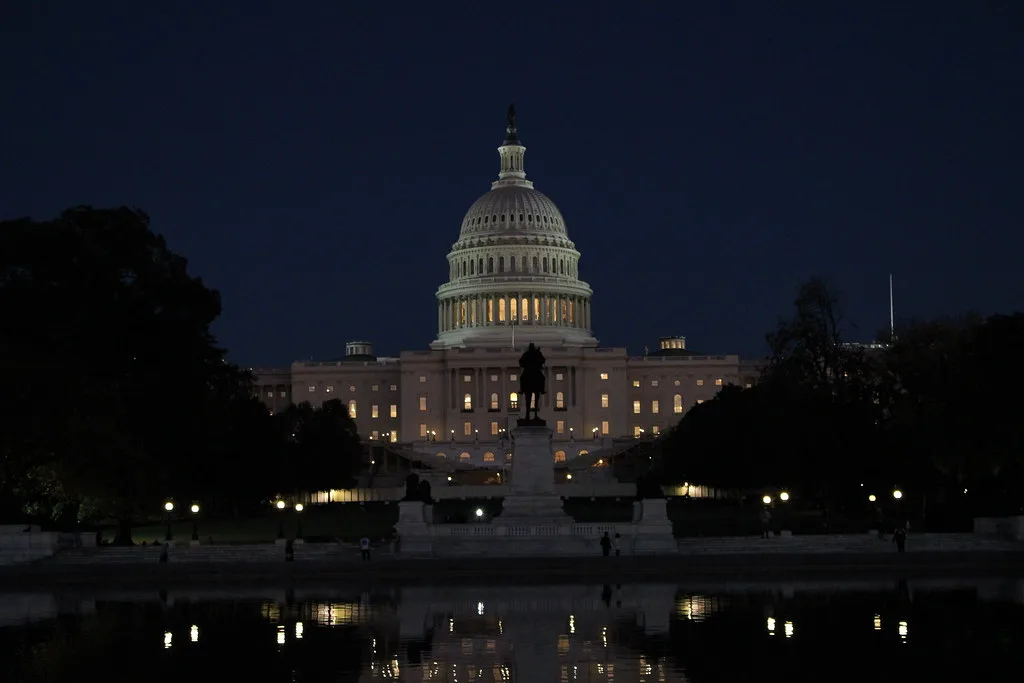
Legislative Impasse in Washington
In a significant legislative setback, the U.S. House of Representatives voted down a procedural measure on Wednesday to extend Section 702 of the Foreign Intelligence Surveillance Act (FISA), leaving the controversial surveillance program on the brink of expiration. With lawmakers departing for a scheduled weeklong recess immediately following the vote, the window to renew the authority before its April 19 deadline has effectively closed, creating a rare lapse in one of the intelligence community’s most critical collection tools.
Understanding Section 702
Section 702 allows the U.S. government to conduct targeted surveillance of non-U.S. persons located abroad, even when they communicate with individuals inside the United States. Since its inception in 2008, the program has become a cornerstone of national security, providing intelligence agencies with data used to thwart cyberattacks, track foreign adversaries, and disrupt terrorist plots. However, the program has long faced intense scrutiny from a bipartisan coalition of lawmakers who argue that it leads to the “incidental” collection of private data belonging to American citizens.
The Anatomy of the Vote
The failure of the procedural rule, which would have governed the floor debate on the Reforming Intelligence and Securing America Act, signals a deep fracture within the Republican conference. A group of hardline conservatives joined with progressive Democrats to block the bill, expressing dissatisfaction with the current legislative language regarding warrant requirements for searching the data of U.S. persons. This coalition of unlikely allies effectively paralyzed the House leadership’s attempt to push through a long-term reauthorization.
Expert Perspectives and Data Points
Intelligence officials, including those from the FBI and the Office of the Director of National Intelligence, have repeatedly warned that any lapse in Section 702 would cause irreparable harm to national security. According to recent public disclosures, Section 702 data was utilized in the intelligence reporting that led to the death of al-Qaeda leader Ayman al-Zawahiri. Conversely, privacy advocates point to data from the Privacy and Civil Liberties Oversight Board (PCLOB), which has documented instances where FBI agents improperly queried the database for information on U.S. citizens without sufficient legal justification.
Industry and Security Implications
For the intelligence community, the immediate cessation of these authorities means an abrupt halt to ongoing collection efforts. Beyond the operational disruption, the lapse creates a climate of uncertainty for technology companies that comply with government directives under the statute, as they must now navigate a legal gray area regarding their obligations. The lack of a clear legislative path forward places immense pressure on the House to reconcile these privacy concerns with national security mandates immediately upon their return from recess.
Future Outlook
As the April 19 deadline passes, observers will watch closely to see if the House leadership attempts to bring a stripped-down version of the bill to the floor or if they will seek a short-term extension to prevent a permanent shutdown of the program. The coming weeks will test the House’s ability to build a consensus between those demanding strict warrant requirements and those prioritizing the preservation of broad intelligence-gathering capabilities. The outcome will likely redefine the balance between digital privacy rights and the government’s surveillance powers for years to come.