







A Coordinated Rescue
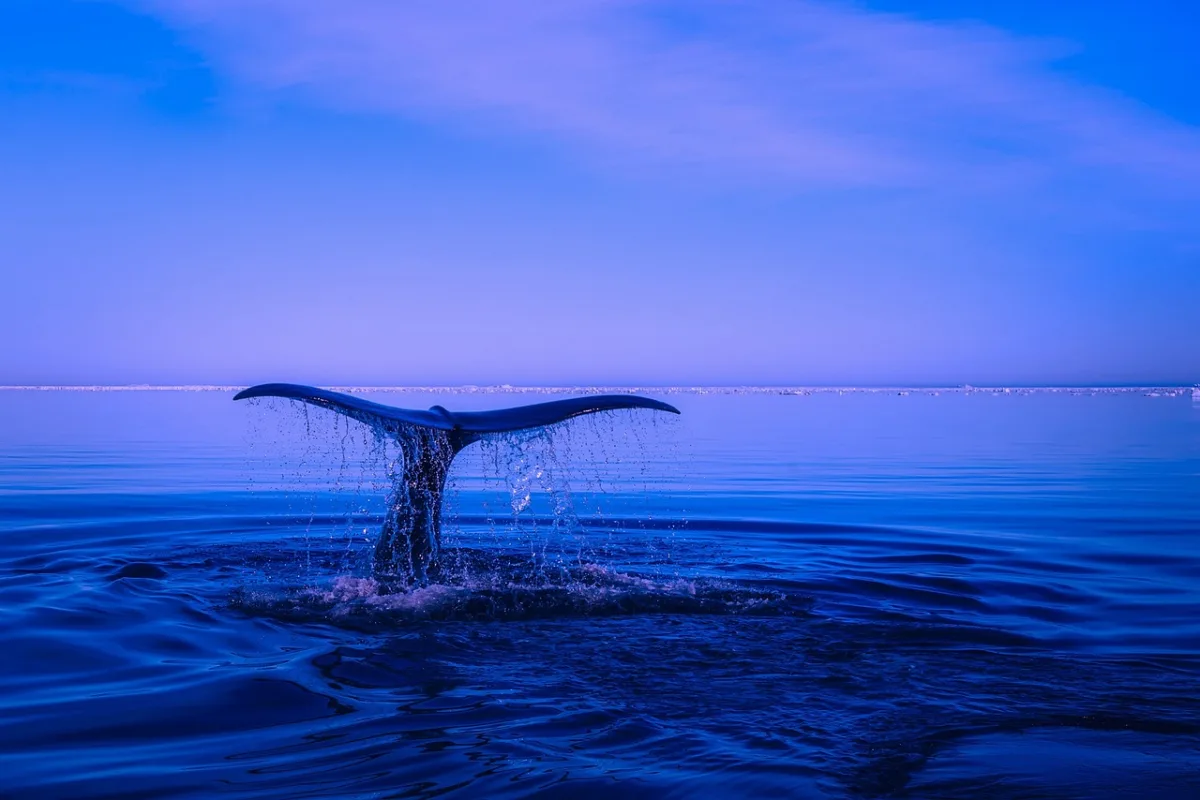
A specialized marine rescue team successfully dislodged a young humpback whale stranded in the shallow waters of the Wadden Sea off the coast of Germany this Tuesday, marking a rare and complex triumph for conservationists. The operation, which lasted over six hours, involved maritime authorities, local biologists, and environmental volunteers working against a receding tide to guide the distressed mammal back into deeper, navigable waters.
Understanding the Wadden Sea Challenge
The Wadden Sea is a UNESCO World Heritage site known for its extensive tidal flats, which pose significant navigational hazards for large marine mammals. Whales entering these shallow coastal regions often become trapped as the tide retreats, leaving them vulnerable to crushing pressure on their internal organs and rapid dehydration. Marine biologists note that while whale strandings are not unprecedented in the North Sea, the frequency of such events has seen a subtle uptick over the last decade, often linked to changes in migratory patterns and prey distribution.
The Mechanics of the Rescue
The rescue effort utilized high-pressure water pumps and inflatable pontoons to lift the whale just enough to allow for maneuvering. Experts from the German Oceanographic Museum coordinated the logistics, ensuring the animal remained calm while minimizing stress-induced shock. By synchronizing the movement of the whale with the incoming tide, the team successfully steered the animal through a pre-cleared channel toward the open sea.
Expert Insight on Marine Stranding Trends
Dr. Elena Fischer, a leading researcher in cetacean behavior, emphasized that these operations are high-risk endeavors for both the rescuers and the animal. “The primary goal is to prevent the animal from sustaining skeletal injuries while it is effectively beached,” Fischer stated. According to recent data from the International Whaling Commission, successful refloating operations depend heavily on the speed of the initial response and the physiological state of the animal upon discovery.
Implications for Coastal Conservation
This incident highlights the growing need for enhanced monitoring systems in the Wadden Sea to track marine mammals approaching hazardous coastal zones. For the shipping and conservation industries, this means investing in better acoustic monitoring and rapid-response infrastructure to mitigate future strandings. As climate change continues to alter ocean temperatures, marine species are increasingly moving into unfamiliar territories, making it likely that such rescue missions will become a more frequent necessity for coastal authorities.
Looking Ahead
Authorities are now monitoring the whale’s trajectory using satellite telemetry to ensure it has successfully rejoined its pod. The success of this operation serves as a blueprint for future rescue protocols, though officials caution that the long-term impact on the whale’s health remains to be seen. Observers will be watching for potential long-term migratory shifts in the North Sea as environmental conditions continue to evolve.