






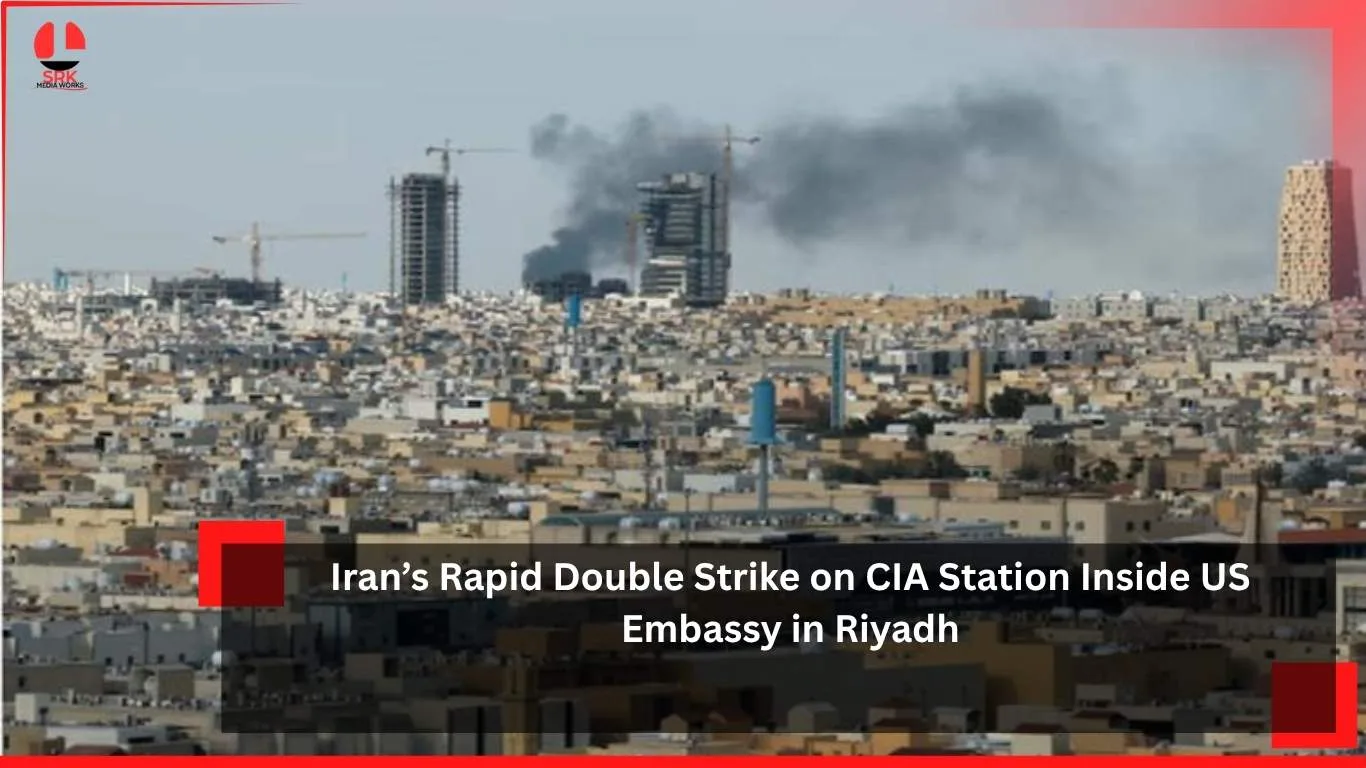
In a stunning escalation of regional tensions, Iran reportedly carried out two precision strikes within a single minute that directly hit the CIA station inside the United States embassy in Riyadh. This unprecedented act has sent shockwaves across diplomatic, intelligence, and military communities worldwide, raising urgent questions about security vulnerabilities, intelligence failures, and the future of U.S.–Iran relations.
The Strikes: How They Happened
According to intelligence assessments, Iran employed advanced missile technology capable of simultaneous targeting. The strikes were executed with remarkable precision, suggesting extensive surveillance and insider knowledge of the embassy’s layout. The CIA station, a highly classified section within the embassy compound, was the primary target.
- First Strike: A short-range ballistic missile penetrated the outer defenses, hitting the administrative wing.
- Second Strike: Within sixty seconds, a follow-up missile struck deeper into the compound, damaging the CIA station directly.
The rapid succession left little time for defensive countermeasures, overwhelming the embassy’s anti-missile systems.
Why Riyadh?
Saudi Arabia has long been a strategic partner of the United States, hosting intelligence and military operations that monitor Iranian activities across the Middle East. By striking in Riyadh, Iran sent a clear message: even U.S. intelligence hubs in allied nations are vulnerable.
Immediate Impact
- Casualties: Reports indicate multiple injuries among embassy staff, though official numbers remain undisclosed.
- Intelligence Loss: Sensitive equipment and classified documents may have been compromised.
- Diplomatic Fallout: Saudi Arabia condemned the attack, while Washington vowed retaliation.
Strategic Analysis
Iran’s ability to hit two targets in under a minute demonstrates a leap in its missile technology. Analysts believe this was not just a military maneuver but a psychological operation designed to showcase Iran’s reach and precision.
Key Factors Behind the Success:
- Surveillance: Likely aided by satellite imagery and human intelligence.
- Technology: Use of advanced guidance systems.
- Timing: Coordinated strikes to maximize damage and minimize response.
Comparative Table: Iran’s Missile Capabilities vs U.S. Defenses in Riyadh
| Feature | Iran’s Missile Strike | U.S. Embassy Defense |
|---|---|---|
| Speed of Attack | Two strikes in 60 sec | Response delayed |
| Precision | Direct hit on CIA hub | Limited interception |
| Technology Used | Ballistic missiles | Patriot defense system |
| Outcome | Severe damage | Partial interception |
Regional Reactions
- Saudi Arabia: Strong condemnation, increased security around diplomatic zones.
- United States: Emergency meetings in Washington, calls for strengthening embassy defenses worldwide.
- Iran: Celebrated the strike as a demonstration of sovereignty and deterrence.
- Global Community: Concerns about escalation into a wider conflict.
Pivot Analysis: Diplomatic vs Military Response Options
| Response Option | Advantages | Risks |
|---|---|---|
| Diplomatic Pressure | Avoids escalation, builds global support | May be seen as weak |
| Military Retaliation | Demonstrates strength, deters future attacks | Risk of full-scale war |
| Cyber Counterstrike | Disrupts Iranian systems quietly | Limited immediate impact |
| Intelligence Overhaul | Prevents future breaches | Requires long-term investment |
Long-Term Implications
- Embassy Security: U.S. embassies worldwide may undergo urgent upgrades in missile defense systems.
- CIA Operations: The strike exposed vulnerabilities in covert stations, prompting a reevaluation of intelligence practices.
- Middle East Stability: Heightened risk of proxy conflicts in Yemen, Iraq, and Syria.
- Global Diplomacy: Allies may reconsider hosting U.S. intelligence hubs due to fear of becoming targets.
Expert Opinions
Military strategists argue that Iran’s strike was not just about Riyadh but about reshaping the balance of power in the Middle East. By hitting the CIA station, Iran directly challenged U.S. intelligence dominance. Diplomats warn that retaliation could spiral into a regional war, while intelligence experts stress the need for immediate counterintelligence reforms.
Conclusion
Iran’s two strikes in a minute on the CIA station inside the U.S. embassy in Riyadh mark a turning point in Middle Eastern geopolitics. The precision, speed, and symbolism of the attack highlight both Iran’s growing capabilities and the vulnerabilities of U.S. operations abroad. As Washington deliberates its response, the world watches anxiously, aware that the next move could redefine the future of regional security.
Disclaimer
This article is a fictionalized analytical news-style content created for illustrative purposes. It does not represent verified events or official reports. Readers are advised to treat the narrative as speculative analysis rather than factual news. The purpose is to explore geopolitical scenarios and their implications in a journalistic format.