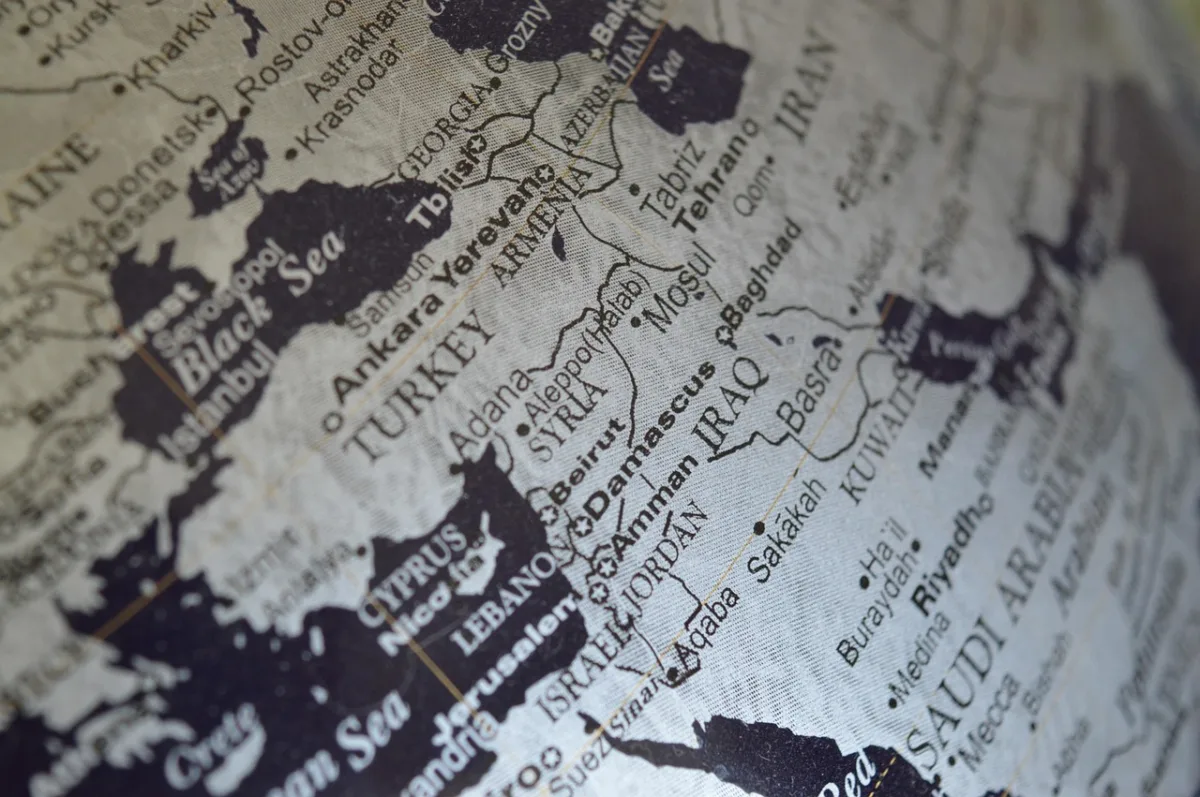










Military strikes conducted on June 10 in the Bemani district of southern Iran have caused significant damage to critical water storage facilities, prompting international legal experts to warn that the incident may constitute a war crime. The strikes, which occurred just two miles from the strategic Strait of Hormuz, left a reservoir serving 20,000 residents inoperable, exacerbating an already severe humanitarian crisis fueled by the nation’s historic, multi-year drought.
Context and Legal Framework
International humanitarian law, specifically the Geneva Conventions, provides strict protections for objects indispensable to the survival of the civilian population. Under these statutes, military forces are prohibited from attacking, destroying, or rendering useless water installations, irrigation works, or food supplies unless they are used for military purposes. The destruction of civilian infrastructure in a region already suffering from water scarcity raises immediate questions regarding the principle of proportionality in military operations.
The Critical Question of Targeting
While the origin of the strikes remains under investigation, the core legal debate centers on whether the water tanks were identified as a military objective or were hit in error. Brian Finucane, a former U.S. State Department lawyer, emphasized that the distinction is legally absolute. “It’s either a military objective or it’s a civilian object: attacking one is lawful, attacking the other is a war crime,” Finucane stated.
Military analysts are currently reviewing satellite imagery and on-the-ground visual evidence to determine if the site was being utilized for dual-use purposes. In the absence of evidence suggesting the reservoir was a military stronghold, the destruction of such a facility suggests a potential violation of the laws of armed conflict. The proximity to the Strait of Hormuz, a high-tension maritime corridor, complicates the attribution process and heightens the geopolitical stakes of the incident.
Humanitarian Impact and Regional Stability
The damage to the Bemani reservoir is particularly devastating due to the ongoing environmental crisis in Iran. Large swaths of the country have faced record-low precipitation levels, leading to the depletion of groundwater and the failure of agricultural systems. For the 20,000 residents reliant on this specific infrastructure, the loss of reliable water access threatens basic hygiene, food security, and long-term health.
Data from local relief organizations suggests that the destruction of this facility will force residents to rely on expensive, trucked-in water supplies, further straining the local economy. Beyond the immediate local impact, the incident serves as a grim reminder of how water infrastructure has become a focal point in modern conflict. As climate-induced resource scarcity intensifies, the protection of life-sustaining infrastructure is becoming a primary challenge for international observers and humanitarian groups alike.
Future Implications and Monitoring
The international community will likely face pressure to investigate the incident through a neutral, third-party lens to determine if a breach of international law occurred. Observers should monitor whether formal petitions are filed with the United Nations or if international human rights organizations launch an independent inquiry into the targeting protocols used in the region. Furthermore, the incident underscores the urgent need for international standards regarding the protection of water infrastructure in volatile zones, as future regional conflicts may increasingly involve the weaponization of essential resources.