


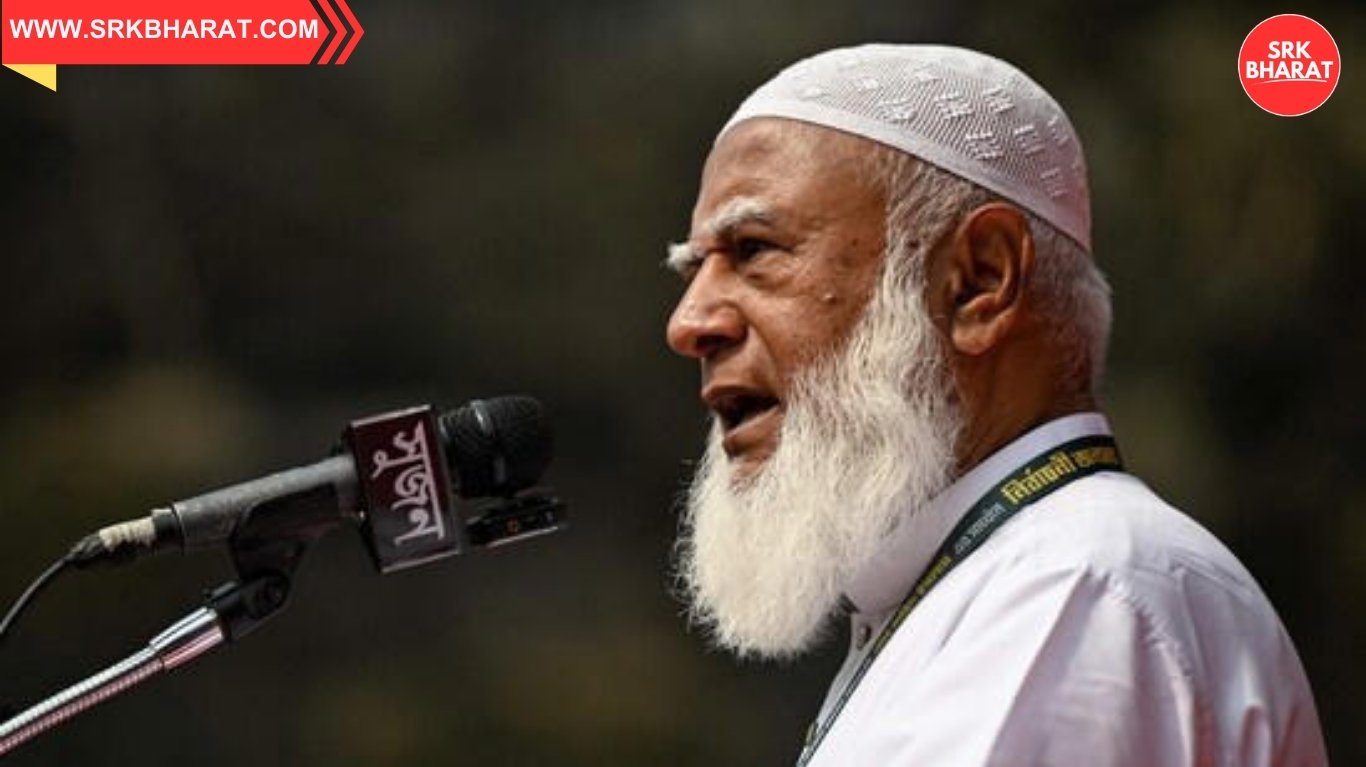
Bangladesh’s political landscape has witnessed a significant statement from a Jamaat-e-Islami leader, who asserted that minorities in the country should not be treated as “second-class citizens.” Amid rising concerns over attacks on minority communities, the leader emphasized that strengthening ties with India remains a priority for the party. This declaration has sparked debates on governance, communal harmony, and regional diplomacy.
Context of the Statement
- The Jamaat leader’s remarks come at a time when minority communities in Bangladesh have reported increasing incidents of violence and discrimination.
- The statement aims to reassure citizens that the party recognizes the importance of equality and inclusivity.
- By highlighting India ties, the leader underscores the geopolitical importance of maintaining strong bilateral relations.
Minority Concerns in Bangladesh
Bangladesh has a diverse population, including Hindus, Buddhists, Christians, and other minority groups.
- Incidents of Violence: Reports of attacks on minority homes and temples have raised alarm.
- Social Marginalization: Minority communities often face challenges in accessing equal opportunities.
- Political Promises: Successive governments have pledged protection but implementation remains inconsistent.
Jamaat’s Position
The Jamaat leader’s statement reflects an attempt to reposition the party’s image.
- Inclusivity: Emphasis on treating minorities as equal citizens.
- Diplomacy: Recognition of India as a crucial partner in regional stability.
- Political Strategy: Effort to broaden appeal beyond traditional support bases.
Comparative Analysis of Minority Rights
| Country | Minority Protection Policies | Challenges Faced |
|---|---|---|
| Bangladesh | Constitutional guarantees | Implementation gaps, sporadic violence |
| India | Legal safeguards, reservations | Communal tensions, political polarization |
| Nepal | Inclusive constitution | Limited enforcement, rural marginalization |
| Sri Lanka | Minority rights laws | Ethnic tensions, historical conflicts |
This comparison highlights that while constitutional protections exist, enforcement remains a challenge across South Asia.
India-Bangladesh Relations
India and Bangladesh share deep historical, cultural, and economic ties.
- Trade: India is one of Bangladesh’s largest trading partners.
- Security: Cooperation on border management and counter-terrorism.
- Cultural Exchange: Shared heritage strengthens people-to-people connections.
- Diplomatic Importance: Stability in Bangladesh directly impacts India’s northeastern states.
Political Implications
The Jamaat leader’s remarks carry significant political weight.
- Domestic Politics: Aimed at reassuring minorities and countering criticism.
- Regional Diplomacy: Signals willingness to engage positively with India.
- Electoral Strategy: Could influence voter perceptions ahead of future elections.
Challenges Ahead
Despite the statement, several challenges remain:
- Trust Deficit: Minority communities may remain skeptical without concrete action.
- Implementation: Ensuring protection requires strong law enforcement.
- Political Opposition: Other parties may question Jamaat’s sincerity.
- Regional Stability: Maintaining ties with India requires consistent diplomatic engagement.
Conclusion
The Jamaat leader’s assertion that minorities should not be treated as “second-class citizens” and that India ties are a priority marks a notable moment in Bangladesh’s political discourse. While the statement is significant, its impact will depend on tangible actions to protect minorities and strengthen bilateral relations.
Bangladesh stands at a crossroads where inclusivity and diplomacy must go hand in hand to ensure stability and progress. The coming months will reveal whether these words translate into meaningful change.
Disclaimer
This article is based on publicly available information and journalistic analysis of political statements in Bangladesh. It is intended for informational purposes only and does not represent insider accounts or official government positions. Readers should view this as a balanced overview of the situation.