


Election Security Standoff
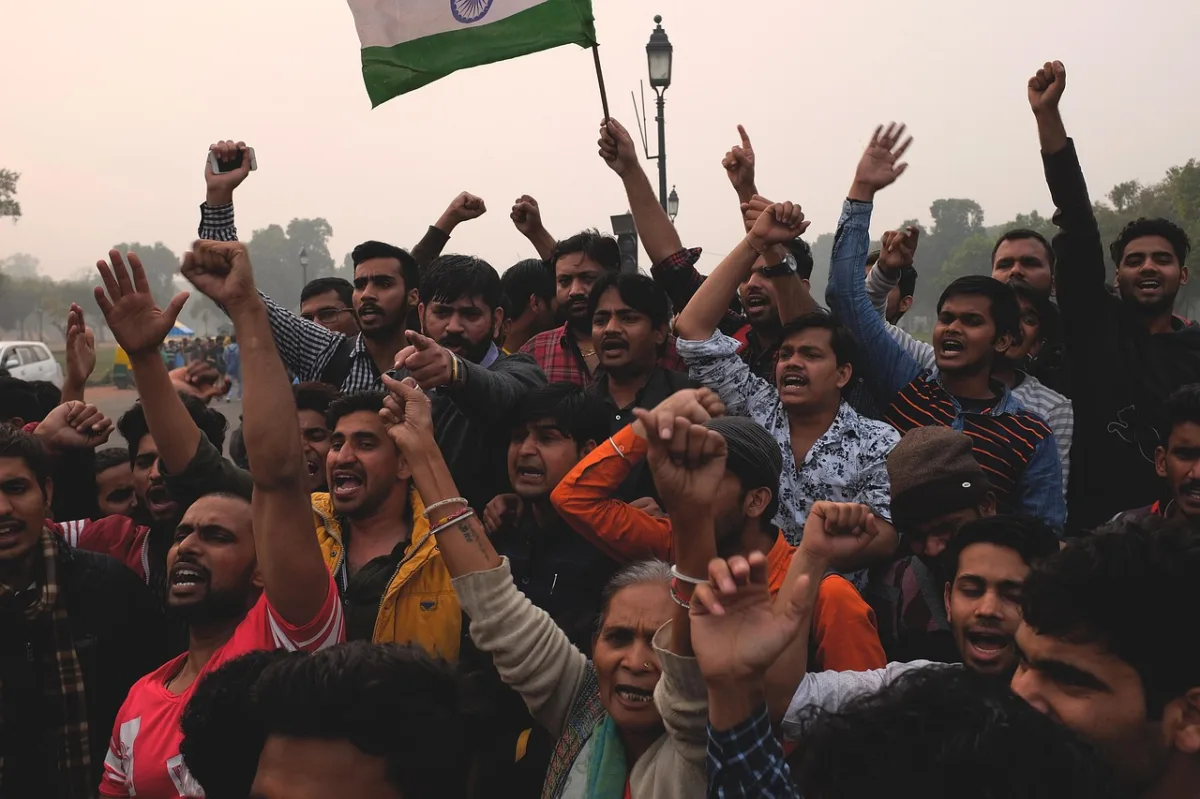
Tensions reached a breaking point in Kolkata’s Chowringhee area on Tuesday as supporters of the Bharatiya Janata Party (BJP) and the Trinamool Congress (TMC) engaged in a heated confrontation outside a designated Electronic Voting Machine (EVM) strong room. The clash, which required immediate intervention from security forces, occurred following the arrival of BJP leader Tapas Roy, sparking volatile exchanges between opposing party workers. Local law enforcement officials moved quickly to establish a perimeter and de-escalate the situation before physical violence could occur.
The Context of Vigilance
The incident follows a direct directive from West Bengal Chief Minister and TMC chief Mamata Banerjee, who recently instructed her party cadres to maintain 24-hour surveillance of all facilities housing EVMs. This strategy, aimed at preventing alleged tampering or unauthorized access, has become a standard feature of political campaigning in the state. Historically, West Bengal elections have been marked by high-stakes monitoring, as political parties seek to ensure the integrity of the ballot count in an environment characterized by deep-seated rivalry.
Dynamics of the Confrontation
The presence of high-profile political figures at sensitive storage sites has significantly increased the risk of localized unrest. When Tapas Roy arrived at the Chowringhee site, he was met with immediate pushback from TMC supporters already stationed at the location. The resulting shouting match serves as a microcosm of the broader political friction currently gripping the state as the electoral process nears its conclusion. Security personnel, including central forces and local police, were forced to deploy additional resources to segregate the opposing factions.
Expert Analysis and Security Protocols
Election integrity experts note that the presence of party agents outside strong rooms is legally permitted under Election Commission of India (ECI) guidelines. However, the ECI emphasizes that such vigilance must remain peaceful and non-intrusive to prevent disrupting the democratic process. According to recent ECI data, monitoring protocols at strong rooms include multi-layered security, CCTV surveillance, and mandatory logs for any personnel entering the facility. Political analysts suggest that the hyper-vigilance displayed by both the TMC and BJP is a strategic move to build public confidence in their respective voter bases while simultaneously pressuring election officials to remain hyper-attentive.
Industry and Voter Implications
For the electorate, these skirmishes reflect the intense polarization that defines contemporary West Bengal politics. The persistence of these clashes suggests that the transition from polling day to the final vote count will remain a period of heightened sensitivity. Industry observers and political strategists are now looking toward the counting day, anticipating that security measures will be tightened further to mitigate the risk of post-poll violence. As the state moves toward the final certification of results, the ability of the ECI to maintain a neutral, secure environment will be the primary metric for assessing the success of the electoral exercise.
Future Outlook
The primary concern for the coming days remains the potential for localized provocations at other strong rooms across the state. Observers should monitor whether the Election Commission will impose stricter restrictions on the number of party representatives allowed near storage facilities to prevent further escalation. The stability of the post-election period will largely depend on the de-escalation of rhetoric from top leadership, as party workers continue to mirror the intensity of their respective party heads.