






The Return of a Persistent Threat
Federal agriculture officials are mobilizing a nationwide response after the re-emergence of the New World screwworm, a parasitic insect capable of causing devastating tissue damage in livestock and wildlife. Following decades of successful eradication efforts that cost the U.S. government hundreds of millions of dollars, the United States Department of Agriculture (USDA) is now pivoting back to emergency containment protocols to prevent the parasite from gaining a permanent foothold on American soil.
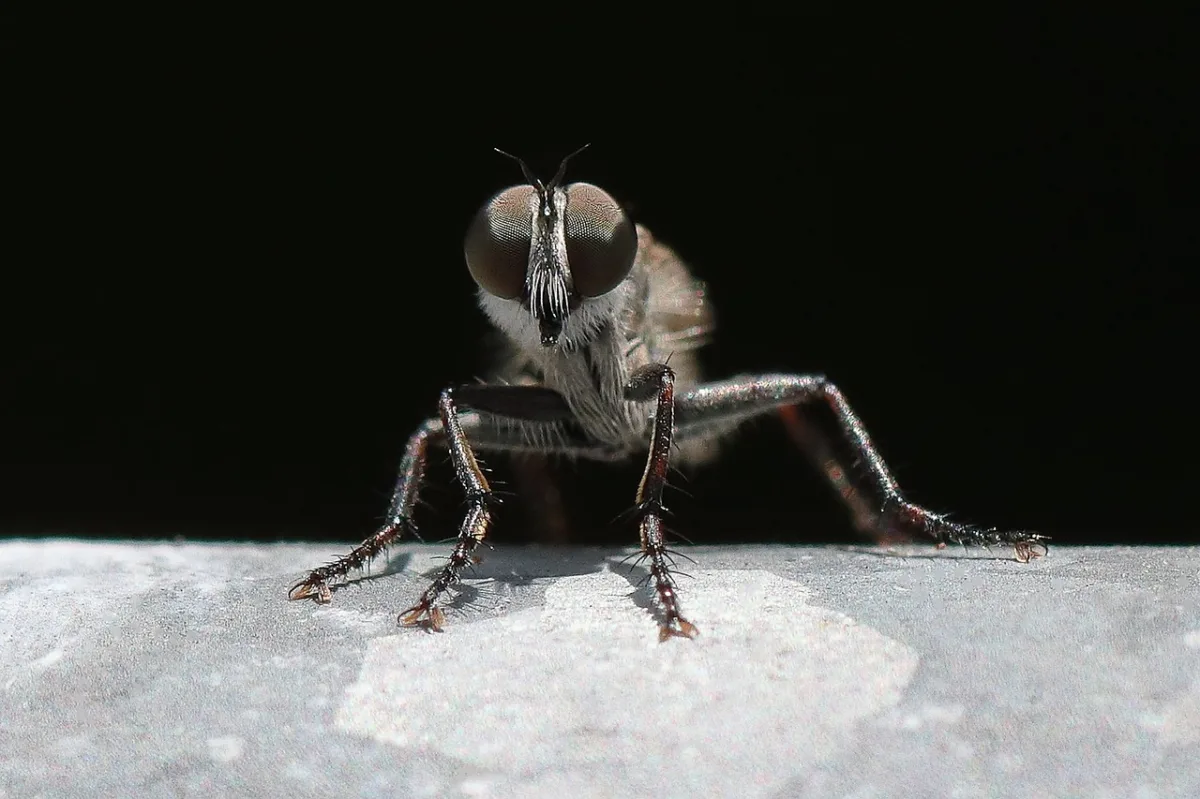
The New World screwworm, scientifically known as Cochliomyia hominivorax, is not a typical pest. Unlike common houseflies, the female screwworm lays her eggs in the open wounds of warm-blooded animals. Upon hatching, the larvae feed on living tissue, which can lead to rapid health decline and death if left untreated. Historically, the pest plagued the American cattle industry, causing catastrophic economic losses throughout the 20th century.
A Legacy of Eradication
The U.S. declared the screwworm eradicated in 1966 after a massive, multi-decade campaign utilizing the Sterile Insect Technique (SIT). Scientists released hundreds of millions of laboratory-reared, sterilized male flies into the wild to mate with fertile females, effectively collapsing the population over time. This breakthrough was widely considered one of the greatest achievements in veterinary entomology.
For over 50 years, the U.S. maintained a barrier zone in partnership with Mexico and Central American countries to prevent re-infestation. However, recent environmental shifts and increased international travel have complicated these border-crossing defenses. Experts suggest that climate change may be expanding the hospitable range for the flies, making previously cold-climate regions more susceptible to colonization.
Current Containment Strategies
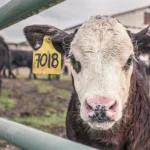
The current USDA strategy relies heavily on surveillance and rapid deployment of sterile insects to affected regions. Livestock producers are being urged to increase their monitoring of herds, particularly during calving or branding seasons when open wounds are most common. Early detection remains the single most effective tool in preventing an localized outbreak from becoming a regional epidemic.
According to veterinary data, the economic impact of an unchecked screwworm outbreak could reach into the billions annually, affecting not just the beef industry, but also the dairy, equine, and wildlife management sectors. The USDA is currently coordinating with state departments of agriculture to streamline diagnostic testing, ensuring that any suspected cases are reported and addressed within 24 hours.
Industry and Environmental Implications
The return of the screwworm poses significant challenges for ranchers who operate in open-range environments where daily monitoring is difficult. Increased reliance on chemical preventatives and physical barriers is expected to drive up operational costs for small and mid-sized agricultural businesses. Furthermore, wildlife conservation groups are monitoring the situation closely, as the parasite can severely impact populations of deer and other native fauna.
Looking ahead, the focus will shift toward the long-term sustainability of the SIT program and the potential for genetic interventions. Researchers are investigating whether CRISPR-based gene drives could provide a more efficient alternative to the mass-release of sterilized flies. As the USDA evaluates its next phase of the campaign, stakeholders should watch for updates regarding federal funding allocations and potential changes to livestock transit regulations between affected states and the rest of the country.