









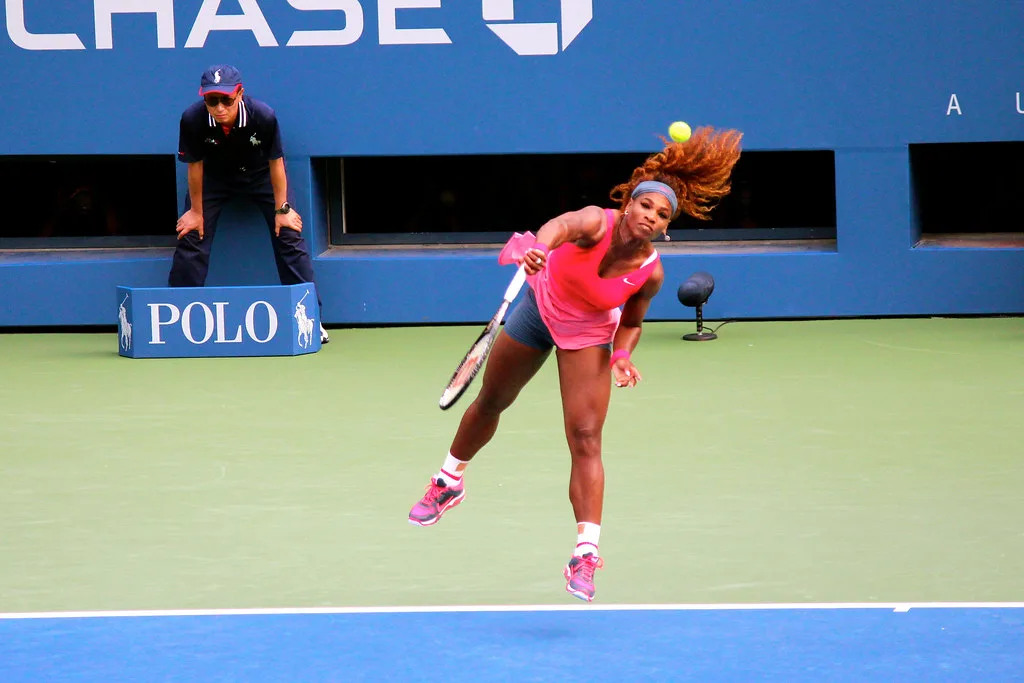
Tennis icon Serena Williams made a triumphant return to professional competition on Tuesday, securing a victory in the opening round of the women’s doubles at the Queen’s Club tournament in London. Playing alongside partner Ons Jabeur, the 23-time Grand Slam singles champion showcased her signature power and precision, defeating the duo of Marie Bouzkova and Sara Sorribes Tormo in a hard-fought match that signaled her readiness for the upcoming Wimbledon championships.
The Road Back to Competition
Williams had been absent from the professional tour for nearly a year following a hamstring injury sustained during the first round of Wimbledon in 2021. The extended layoff raised significant questions regarding the future of her illustrious career, particularly as she approached her 41st birthday.
The decision to enter the Queen’s Club doubles event provided a strategic pathway for Williams to regain match fitness. By partnering with Jabeur, the current world number three, Williams benefited from a high-intensity environment that allowed her to test her movement and serve without the immediate pressure of a singles draw.
Analyzing the Performance
Throughout the match, observers noted that Williams displayed flashes of the dominance that defined her two-decade-long career. Despite a slight rustiness in her timing, her serve remained a formidable weapon, frequently setting up easy put-away volleys for Jabeur at the net.
Statistical analysis from the match indicated that the pair maintained a high first-serve percentage, a critical metric for success on the fast grass courts of London. Their ability to navigate tight deuce points demonstrated that Williams’ competitive instincts remain as sharp as ever, even after her longest hiatus from the sport.
Industry and Expert Perspectives
Sports analysts suggest that this return is a calculated move to gauge physical endurance ahead of the grass-court major. Former players have highlighted that the doubles format is the ideal laboratory for testing match-specific recovery, as it requires shorter, more explosive bursts of movement rather than the grueling baseline rallies of singles play.
Data from the Women’s Tennis Association (WTA) indicates that veteran players often utilize early-season grass tournaments to calibrate their game. By competing at Queen’s, Williams is effectively shortening the learning curve required to adjust to the unique surface conditions of Wimbledon.
Looking Ahead to the Grass Court Season
For fans and industry stakeholders, this victory serves as a definitive statement that Williams is not yet ready to step away from the sport. Her participation at Queen’s suggests that she is targeting a deep run at the All England Club, where she holds seven singles titles.
The primary concern for the coming weeks remains the physical toll of back-to-back matches on her body. Observers will be closely monitoring how she recovers from the intensity of the Queen’s Club event as she transitions into the more demanding schedule of a Grand Slam tournament. Future developments will likely depend on her performance in the subsequent rounds of this event and whether she chooses to participate in additional warm-up matches before the main draw begins at Wimbledon.