


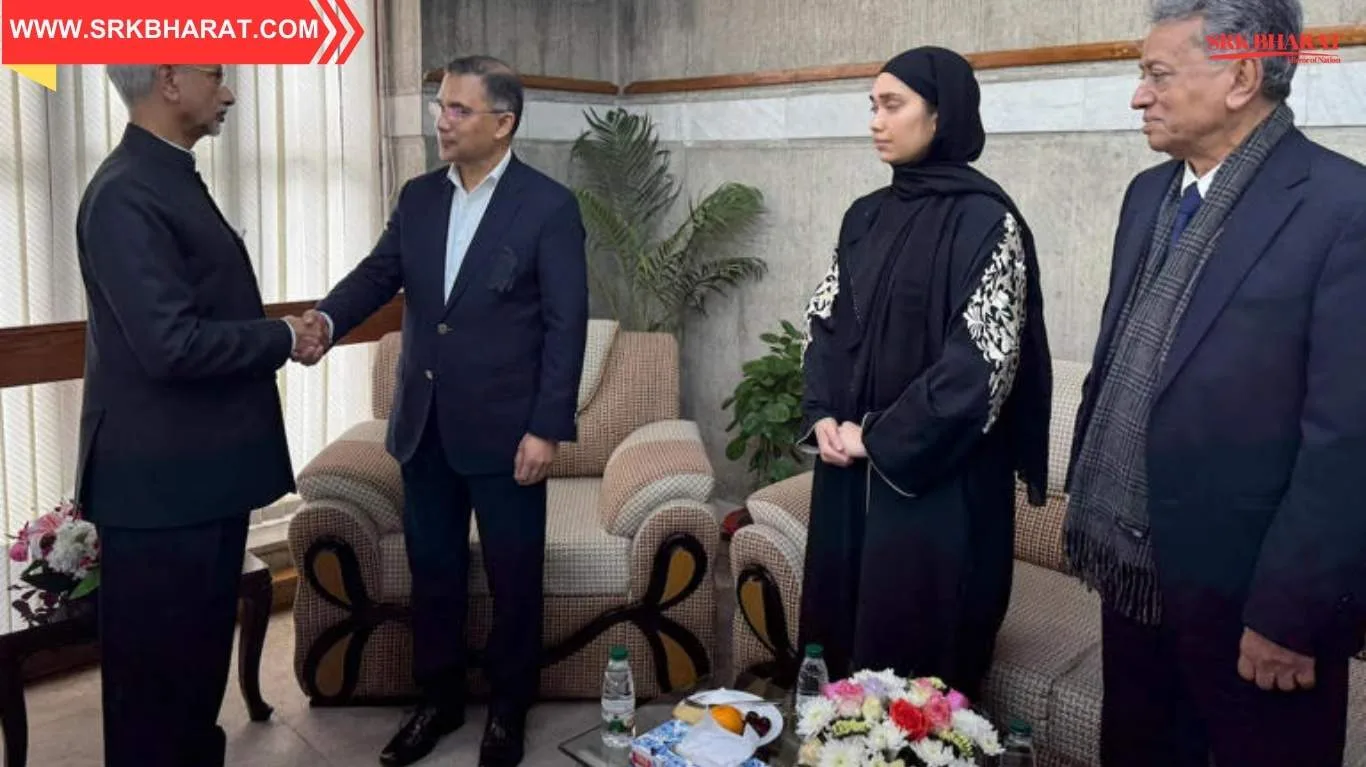
The upcoming visit of India’s External Affairs Minister S Jaishankar to Bangladesh has been described as a historic opportunity to “script a new chapter” in bilateral relations by the Bangladesh High Commissioner. The statement underscores the importance of the visit in strengthening ties between the two neighbors, enhancing cooperation in trade, connectivity, security, and cultural exchange. With both countries sharing deep historical, cultural, and economic bonds, the visit is expected to pave the way for new agreements and initiatives that will shape the future of South Asian diplomacy.
Background of the Visit
- India and Bangladesh have maintained close ties since Bangladesh’s independence in 1971, with India playing a pivotal role in its liberation.
- Over the years, the relationship has expanded to include trade, defense cooperation, energy partnerships, and people-to-people exchanges.
- Jaishankar’s visit comes at a time when both nations are seeking to deepen cooperation in regional connectivity, infrastructure, and strategic security.
- The Bangladesh High Commissioner emphasized that the visit will mark a turning point in bilateral relations, opening doors for new collaborations.
Key Highlights of the Statement
| Indicator | Details |
|---|---|
| Speaker | Bangladesh High Commissioner |
| Occasion | Visit of India’s External Affairs Minister S Jaishankar |
| Statement | “Will script new chapter in bilateral ties” |
| Focus Areas | Trade, connectivity, security, cultural exchange |
| Broader Impact | Strengthening South Asian diplomacy |
Expected Outcomes of Jaishankar’s Visit
| Factor | Positive Impact | Challenges | Long-Term Implication |
|---|---|---|---|
| Trade Relations | Boost in bilateral trade | Addressing tariff barriers | Stronger economic integration |
| Connectivity | Enhanced road, rail, and river links | Infrastructure bottlenecks | Seamless regional movement |
| Security Cooperation | Joint efforts against terrorism | Balancing regional geopolitics | Stable South Asian security framework |
| Energy Partnerships | Expansion of power trade | Managing resource allocation | Sustainable energy collaboration |
| Cultural Exchange | Strengthened people-to-people ties | Overcoming visa hurdles | Deepened cultural integration |
Why the Visit Matters
- Strategic Importance: Bangladesh is India’s key partner in South Asia, sharing borders and cultural ties.
- Economic Growth: Enhanced trade and connectivity will boost economic opportunities for both nations.
- Regional Stability: Cooperation in security and defense will strengthen South Asia’s stability.
- Cultural Bonds: Shared heritage and traditions make the relationship unique and enduring.
- Global Context: The visit comes at a time when global powers are increasingly focusing on South Asia.
Areas of Cooperation
| Sector | Details |
|---|---|
| Trade | Expansion of bilateral trade agreements |
| Connectivity | Road, rail, and river transport projects |
| Security | Joint efforts against terrorism and cross-border crime |
| Energy | Power grid integration and renewable energy projects |
| Education | Student exchange programs and academic collaborations |
| Culture | Festivals, tourism, and heritage preservation |
These areas highlight the multifaceted nature of India-Bangladesh relations.
Expert Opinions
- Diplomats: Stress the importance of Jaishankar’s visit in shaping future agreements.
- Economists: Highlight the potential for trade growth and regional integration.
- Security Analysts: Emphasize the need for joint efforts to tackle terrorism and cross-border challenges.
- Cultural Leaders: Welcome initiatives to strengthen people-to-people ties.
Challenges Ahead
- Trade Barriers: Addressing tariff and non-tariff issues remains crucial.
- Infrastructure Gaps: Ensuring timely completion of connectivity projects.
- Security Concerns: Balancing regional geopolitics with cooperative security frameworks.
- Resource Management: Sustainable allocation of energy and water resources.
- Public Perception: Managing expectations and ensuring transparency in agreements.
Opportunities for India and Bangladesh
- Boost Regional Trade: Strengthen economic integration through new trade agreements.
- Enhance Connectivity: Develop seamless transport links across borders.
- Strengthen Security: Collaborate on counter-terrorism and defense initiatives.
- Expand Energy Cooperation: Invest in renewable energy and power grid integration.
- Promote Cultural Exchange: Deepen ties through tourism, education, and heritage projects.
Broader Context of South Asian Diplomacy
- India and Bangladesh are central to South Asia’s geopolitical landscape.
- Their cooperation influences regional stability, trade, and cultural integration.
- Jaishankar’s visit reflects India’s commitment to strengthening ties with its neighbors.
- The Bangladesh High Commissioner’s statement highlights the optimism surrounding the visit.
Public Sentiment
- Citizens in both countries expressed optimism about the visit.
- Social media discussions highlighted hopes for stronger trade and cultural ties.
- Business communities welcomed the potential for new economic opportunities.
- Overall sentiment remains positive, with expectations of a “new chapter” in relations.
Conclusion
The Bangladesh High Commissioner’s statement that S Jaishankar’s visit will “script a new chapter” reflects the optimism and significance of this diplomatic engagement. With a focus on trade, connectivity, security, energy, and cultural exchange, the visit is poised to strengthen India-Bangladesh relations and shape the future of South Asian diplomacy. While challenges remain, the opportunities for cooperation are vast, promising a brighter future for both nations.
Disclaimer
This article is intended for informational purposes only and does not constitute official diplomatic or policy advice. Statements, agreements, and public sentiments are subject to change based on evolving circumstances. Readers are encouraged to follow official updates for accurate information. The author and publisher are not responsible for any decisions made based on this article.