





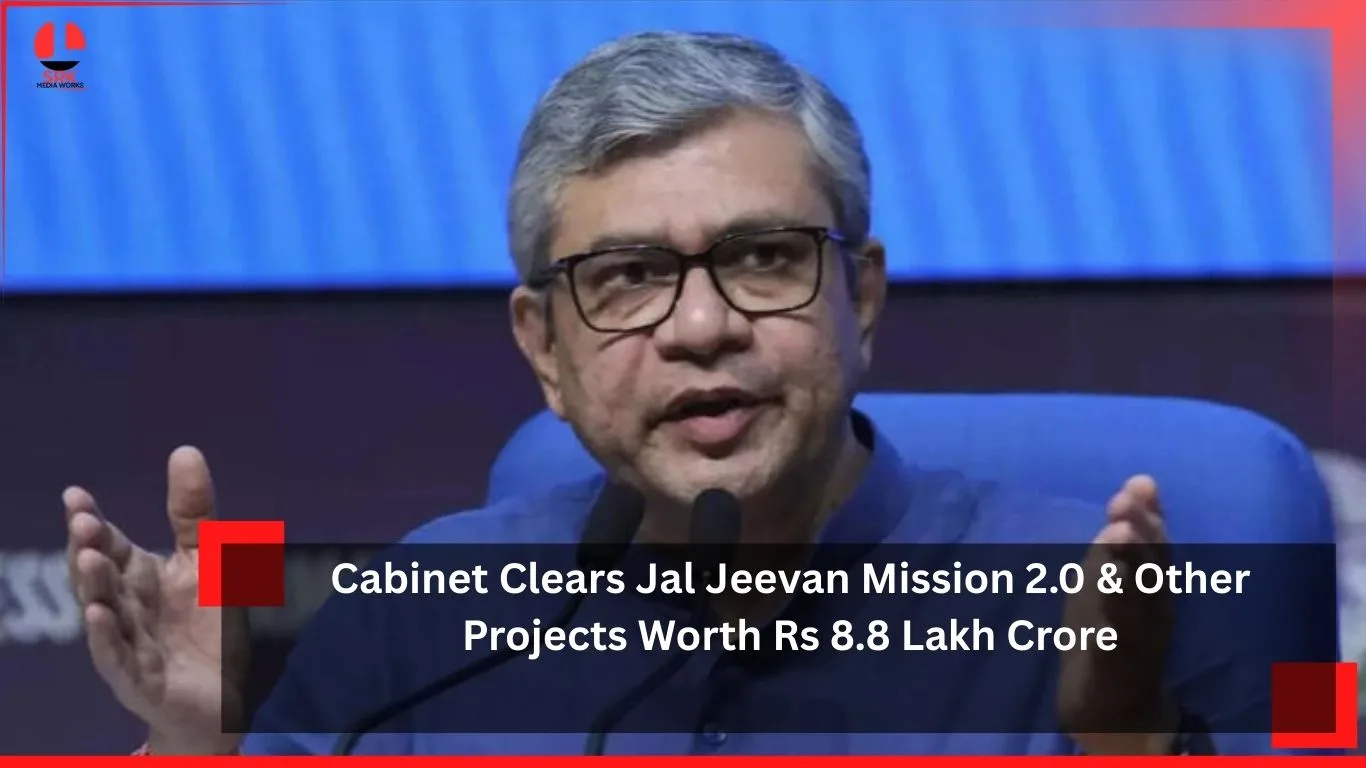
In a landmark decision, the Union Cabinet has approved Jal Jeevan Mission 2.0 along with several other infrastructure and welfare projects, collectively valued at Rs 8.8 lakh crore. This ambitious package underscores the government’s commitment to improving water supply, sanitation, rural infrastructure, and sustainable development across India.
Jal Jeevan Mission 2.0: A Vision for Water Security
The Jal Jeevan Mission 2.0 builds upon the success of the original program launched in 2019, which aimed to provide tap water connections to every rural household. The new phase focuses on:
- Universal Coverage – Ensuring 100% tap water connectivity in rural and urban households.
- Sustainability – Emphasizing water conservation, rainwater harvesting, and groundwater recharge.
- Technology Integration – Using IoT-based monitoring systems to track water quality and supply.
- Community Participation – Encouraging local governance and village-level water committees.
- Health & Hygiene – Linking clean water supply with improved sanitation and reduced disease burden.
Comparative Analysis of Major Government Projects
| Project/Initiative | Allocation (Rs Crore) | Key Focus Area |
|---|---|---|
| Jal Jeevan Mission 2.0 | 4,50,000 | Tap water supply, sustainability |
| Rural Infrastructure Boost | 2,00,000 | Roads, housing, electrification |
| Renewable Energy Projects | 1,20,000 | Solar, wind, green hydrogen |
| Urban Sanitation Drive | 70,000 | Sewage treatment, waste management |
| Skill Development Schemes | 40,000 | Training, employment generation |
This table highlights the scale and diversity of projects included in the Rs 8.8 lakh crore package.
Economic and Social Impact
The Cabinet’s approval is expected to have far-reaching effects:
- Employment Generation: Millions of jobs in construction, engineering, and rural development.
- Health Benefits: Reduction in waterborne diseases through improved access to clean water.
- Women Empowerment: Easier access to water reduces the burden on women, who often spend hours fetching water.
- Rural Transformation: Enhanced infrastructure will boost agriculture, education, and overall quality of life.
- Sustainability: Focus on renewable energy and water conservation aligns with India’s climate goals.
Analytical Perspective
From an analytical standpoint, Jal Jeevan Mission 2.0 represents a holistic approach to development. It not only addresses immediate needs like water supply but also integrates long-term sustainability. The inclusion of renewable energy and skill development projects within the Rs 8.8 lakh crore package reflects the government’s vision of balanced growth.
Key Themes Emerging
| Theme | Explanation |
|---|---|
| Water Security | Universal tap water connections ensure health and hygiene. |
| Sustainable Development | Integration of renewable energy and conservation practices. |
| Rural Empowerment | Infrastructure projects transform rural livelihoods. |
| Economic Growth | Large-scale investment boosts GDP and employment. |
Public and Political Reactions
- Government Leaders: Hailed the approval as a transformative step for India’s development.
- Opposition Parties: Welcomed the initiative but called for strict monitoring to prevent delays.
- Civil Society: NGOs and activists emphasized the importance of community participation.
- Citizens: Rural households expressed optimism about improved access to water and infrastructure.
Future Outlook
The success of Jal Jeevan Mission 2.0 and related projects will depend on:
- Effective implementation at the grassroots level.
- Transparent monitoring and accountability mechanisms.
- Collaboration between central, state, and local governments.
- Active participation of communities in water management.
If executed efficiently, these projects could redefine India’s development trajectory, making it a global example of sustainable and inclusive growth.
Conclusion
The Cabinet’s clearance of Jal Jeevan Mission 2.0 and projects worth Rs 8.8 lakh crore marks a historic step in India’s journey toward water security, rural empowerment, and sustainable development. By combining infrastructure expansion with environmental responsibility, the government has laid the foundation for a healthier, more prosperous, and resilient India.
Disclaimer
This article is a journalistic analysis based on publicly available information and government announcements. It is intended for informational purposes only and does not represent endorsement of any political party or policy. Readers should interpret the content as part of ongoing developmental discourse rather than a definitive evaluation.