

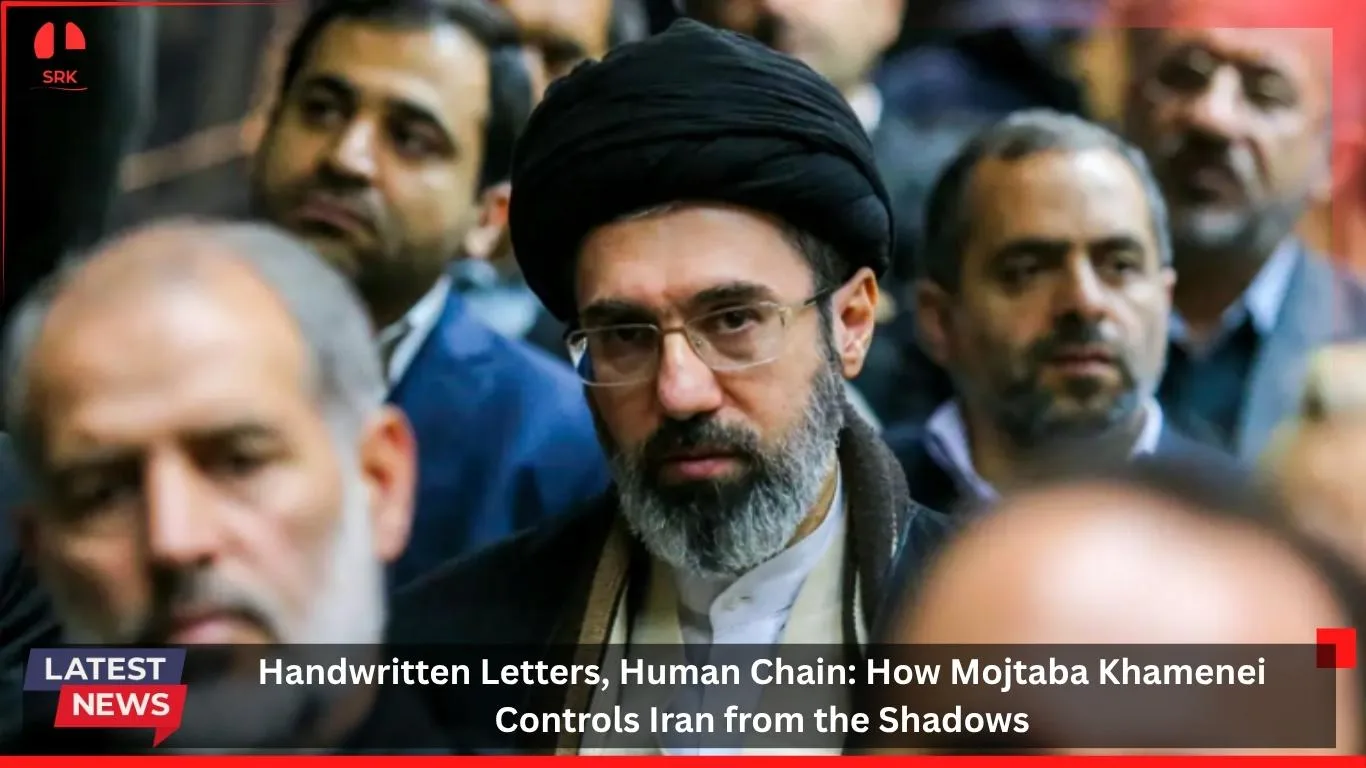
Mojtaba Khamenei, the son of Iran’s Supreme Leader Ayatollah Ali Khamenei, has long been perceived as a powerful figure operating behind the scenes. While he holds no official government position, reports and expert analyses suggest that Mojtaba exerts significant influence through informal networks, handwritten directives, and a loyal cadre of clerics and Revolutionary Guard members. His shadowy role has become increasingly prominent as Iran navigates domestic unrest, economic challenges, and geopolitical tensions.
Informal Power Structures
Mojtaba Khamenei’s influence is said to stem from a combination of religious legitimacy, family ties, and strategic alliances. Unlike his father, who commands authority through formal institutions, Mojtaba reportedly relies on:
- Handwritten Letters: Direct instructions to clerics and military leaders, bypassing bureaucratic channels.
- Human Chain of Loyalists: A network of trusted intermediaries who ensure his directives are implemented.
- Control of Key Institutions: Influence over the Revolutionary Guard and religious seminaries.
- Financial Networks: Access to religious endowments and economic assets tied to clerical institutions.
Comparative Analysis of Influence
| Factor | Ayatollah Ali Khamenei | Mojtaba Khamenei |
|---|---|---|
| Official Position | Supreme Leader | None |
| Source of Authority | Constitutional mandate | Informal networks, family ties |
| Methods of Control | State institutions | Handwritten letters, loyal intermediaries |
| Public Visibility | High | Low, shadowy presence |
This comparison highlights how Mojtaba’s power is exercised outside formal structures, making it harder to scrutinize.
Role in Political Affairs
Analysts suggest Mojtaba plays a decisive role in shaping Iran’s political landscape:
- Election Oversight: Alleged involvement in influencing candidate selection and outcomes.
- Clerical Influence: Guidance to seminaries that shape religious discourse.
- Security Apparatus: Close ties with Revolutionary Guard commanders.
- Succession Planning: Speculation that he could succeed his father as Supreme Leader.
Historical Context
Iran’s political system has often relied on informal networks of clerics and military leaders. Mojtaba’s role reflects this tradition, where family members of leaders wield influence without holding office. His methods—handwritten letters and personal intermediaries—mirror older forms of clerical authority, adapted to modern political challenges.
Expert Opinions
Political analysts argue that Mojtaba’s shadow influence raises questions about transparency and accountability in Iran’s governance. Some believe his role ensures continuity of the current system, while others warn that it undermines institutional legitimacy.
Challenges Ahead
Mojtaba’s influence faces several challenges:
- Public Discontent: Growing protests against clerical rule could weaken informal authority.
- Economic Strains: Sanctions and inflation may erode loyalty among networks.
- Succession Uncertainty: His potential rise as Supreme Leader could face resistance from rival clerics.
Future Outlook
As Iran grapples with internal and external pressures, Mojtaba Khamenei’s shadow role is likely to remain significant. His ability to control networks through handwritten directives and loyal intermediaries ensures continuity, but also raises concerns about the concentration of power outside formal institutions.
Conclusion
Mojtaba Khamenei’s control from the shadows illustrates the unique blend of tradition and informality in Iran’s political system. Through handwritten letters, human chains of loyalists, and influence over key institutions, he has carved out a powerful role without holding office. His presence underscores the complexities of Iran’s governance, where unseen hands often shape the nation’s destiny.
Disclaimer
This article is a political news analysis created for informational and educational purposes. It is based on expert opinions, historical context, and publicly available information. The content does not represent official statements from governments, institutions, or individuals. Readers are advised to consult multiple sources for a comprehensive understanding of the subject.