


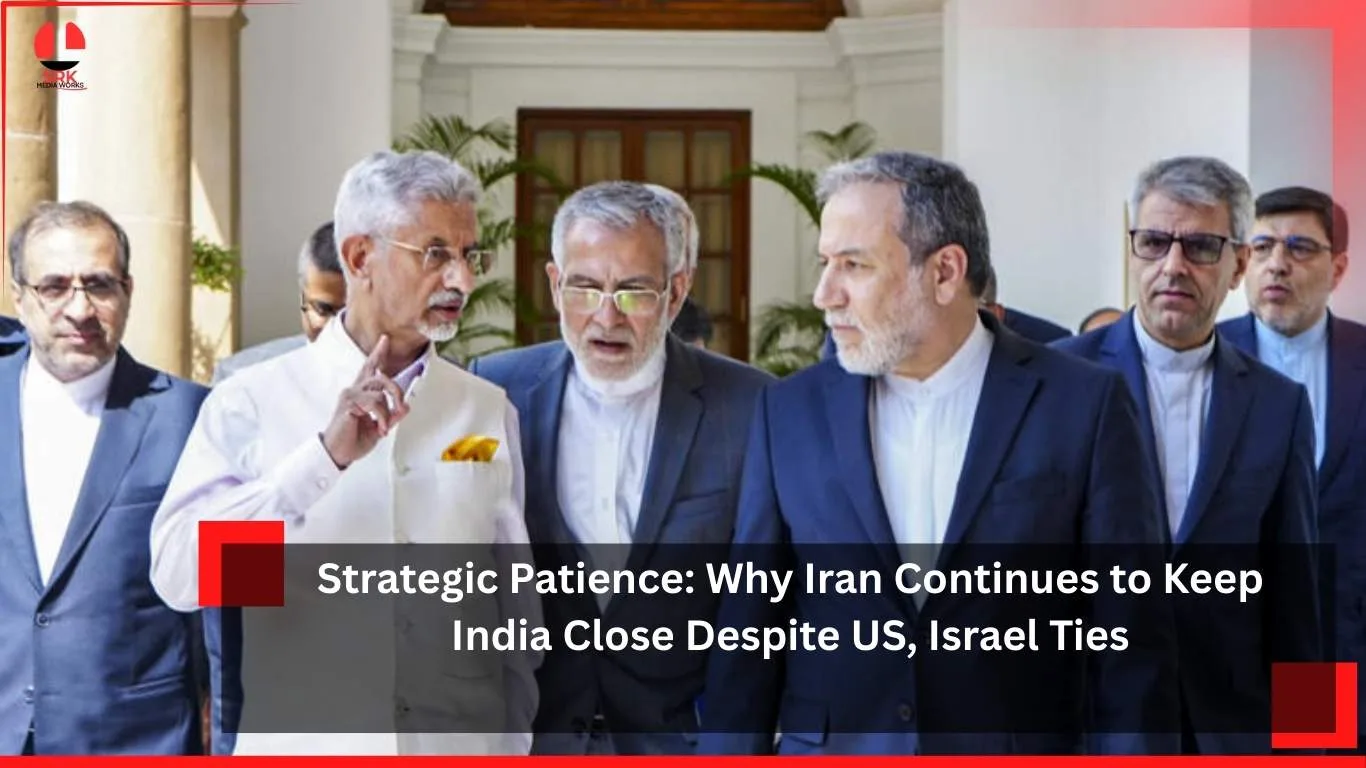
Iran’s foreign policy has long been shaped by a mix of pragmatism and strategic patience. Despite India’s growing ties with the United States and Israel, Tehran continues to maintain a close relationship with New Delhi. This balancing act reflects Iran’s recognition of India’s importance in regional geopolitics, energy security, and global trade.
Historical Context of India–Iran Relations
India and Iran share centuries-old cultural and economic ties. In modern times, their relationship has been defined by:
- Energy Cooperation – Iran has been a major supplier of crude oil to India.
- Strategic Geography – Iran’s location provides India access to Central Asia and Afghanistan.
- Chabahar Port Project – A flagship initiative that enhances India’s connectivity to the region.
- Cultural Bonds – Shared history and civilizational links strengthen bilateral ties.
Why Iran Values India Despite US and Israel Ties
- Energy Market Dependence – India is one of the largest consumers of Iranian oil when sanctions permit.
- Strategic Geography – India’s involvement in Chabahar port is crucial for Iran’s regional outreach.
- Economic Diversification – Iran sees India as a counterbalance to overdependence on China.
- Diplomatic Leverage – Maintaining ties with India allows Iran to navigate global isolation.
- Regional Stability – Cooperation with India helps Iran balance its relations in South Asia.
Comparative Analysis of Iran’s Strategic Partnerships
| Partner Country | Nature of Relationship | Strategic Importance for Iran | Challenges Faced |
|---|---|---|---|
| India | Energy, trade, port projects | Access to South Asia, diversification | India’s US ties |
| China | Energy, infrastructure | Economic lifeline, Belt & Road | Risk of overdependence |
| Russia | Defense, energy | Strategic military cooperation | Limited economic scale |
| Turkey | Regional politics | Shared interests in Middle East | Competition in influence |
This table shows how India fits into Iran’s broader strategy of balancing multiple partnerships.
Analytical Perspective
Iran’s patience with India reflects a long-term strategic calculation. While India’s ties with the US and Israel may complicate matters, Iran understands that New Delhi cannot afford to sever relations with Tehran due to geography, energy needs, and regional connectivity. This pragmatic approach allows Iran to remain relevant in South Asia despite global pressures.
Key Themes Emerging
| Theme | Explanation |
|---|---|
| Strategic Patience | Iran tolerates India’s US ties to preserve long-term benefits. |
| Energy Diplomacy | Oil and gas trade remain central to bilateral relations. |
| Regional Connectivity | Chabahar port symbolizes shared strategic interests. |
| Diplomatic Balance | Iran uses India ties to counter isolation and diversify partnerships. |
Public and Political Reactions
- Indian Analysts: Emphasize the importance of balancing ties with both Iran and the US.
- Iranian Leaders: Highlight India’s role in regional connectivity and trade.
- Global Observers: See Iran’s patience as a pragmatic survival strategy amid sanctions.
- Citizens: In both countries, cultural and historical bonds continue to foster goodwill.
Broader Implications
The Iran–India relationship has implications beyond bilateral ties:
- Regional Stability: Cooperation contributes to stability in Afghanistan and Central Asia.
- Energy Security: India benefits from diversified energy sources.
- Global Diplomacy: Iran leverages ties with India to resist isolation.
- Strategic Balance: India’s engagement with Iran helps balance its US and Israel partnerships.
Conclusion
Iran’s decision to keep India close despite New Delhi’s growing ties with the US and Israel reflects a strategy of strategic patience and pragmatic diplomacy. By prioritizing long-term benefits over short-term disagreements, Iran ensures that its relationship with India remains resilient. For India, maintaining ties with Iran is equally vital for energy security, regional connectivity, and geopolitical balance.
Disclaimer
This article is a journalistic analysis based on publicly available information and geopolitical commentary. It is intended for informational purposes only and does not represent endorsement of any government or policy. Readers should interpret the content as part of ongoing international discourse rather than a definitive judgment.