



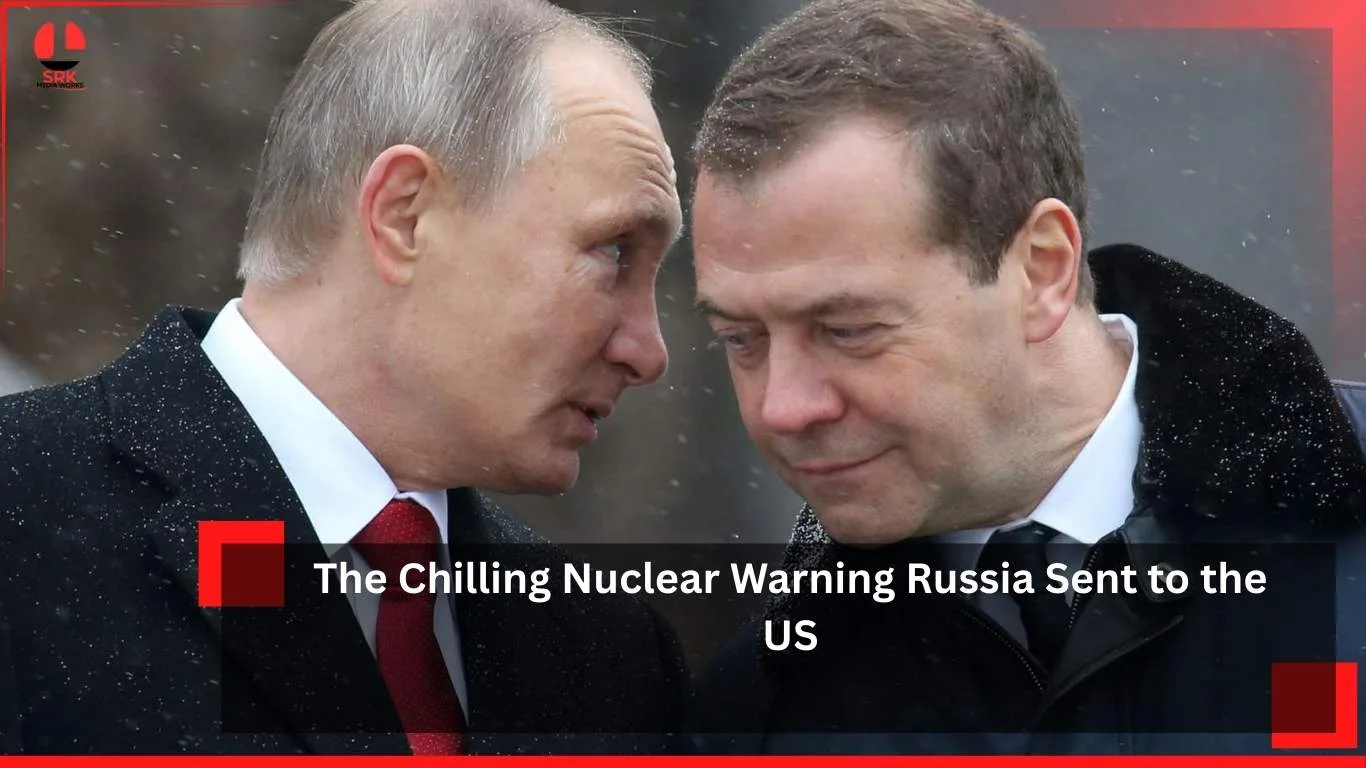
Russia has issued a stark nuclear warning to the United States, intensifying global concerns about escalating tensions between the two powers. The warning, described by analysts as “chilling,” underscores Moscow’s willingness to leverage its nuclear arsenal as a deterrent amid ongoing geopolitical confrontations.
Background of the Warning
The nuclear warning comes against the backdrop of heightened tensions over Ukraine, NATO expansion, and Western sanctions. Russian officials have repeatedly emphasized that any direct military confrontation with the US or NATO could trigger catastrophic consequences. This latest warning, however, is more explicit, signaling Moscow’s readiness to escalate if it perceives existential threats.
Key Elements of Russia’s Nuclear Warning
- Strategic Deterrence – Russia reminded the US of its vast nuclear capabilities, including intercontinental ballistic missiles and hypersonic weapons.
- Red Lines – Moscow warned that crossing certain boundaries, such as deploying NATO forces deeper into Eastern Europe, could provoke nuclear responses.
- Psychological Pressure – The warning is designed to instill fear and caution in Washington’s decision-making.
- Global Messaging – Beyond the US, Russia’s statement is aimed at allies and adversaries alike, reinforcing its image as a nuclear superpower.
Comparative Analysis of Nuclear Posturing
| Country | Nuclear Arsenal Size | Recent Posturing | Strategic Objective |
|---|---|---|---|
| Russia | ~5,900 warheads | Explicit nuclear warning to US | Deterrence, geopolitical leverage |
| United States | ~5,200 warheads | Strategic ambiguity, modernization | Maintain global dominance |
| China | ~500 warheads | Expanding arsenal, cautious rhetoric | Regional deterrence |
| North Korea | <50 warheads | Frequent threats, missile tests | Survival, bargaining power |
This comparison highlights how Russia’s warning stands out for its directness and scale.
Analytical Perspective
From an analytical standpoint, Russia’s nuclear warning reflects a calculated strategy of deterrence and intimidation. By explicitly invoking nuclear threats, Moscow seeks to discourage deeper US involvement in conflicts near its borders. Analysts argue that such rhetoric is part of Russia’s broader effort to maintain strategic parity with Washington despite economic and conventional military disadvantages.
Key Themes Emerging
| Theme | Explanation |
|---|---|
| Nuclear Deterrence | Russia leverages its arsenal to prevent US escalation. |
| Strategic Messaging | Warning serves both domestic and international audiences. |
| Psychological Warfare | Designed to instill caution in US policymakers. |
| Global Security Risks | Raises fears of accidental or miscalculated escalation. |
Public and Political Reactions
- US Officials: Condemned the rhetoric, calling it irresponsible and dangerous.
- European Allies: Expressed alarm, urging diplomatic solutions to avoid escalation.
- Russian Citizens: State media framed the warning as necessary for national defense.
- Global Analysts: Warned that nuclear brinkmanship increases risks of miscalculation.
Broader Implications
The nuclear warning has far-reaching implications:
- Global Security: Heightens fears of nuclear confrontation.
- Diplomatic Strain: Reduces prospects for arms control agreements.
- Economic Impact: Markets react negatively to heightened geopolitical risks.
- Military Strategy: Forces NATO and US planners to reconsider escalation scenarios.
Conclusion
Russia’s chilling nuclear warning to the US marks a dangerous escalation in global geopolitics. While intended as deterrence, such rhetoric risks miscalculation and undermines decades of efforts to reduce nuclear tensions. As the world watches, the warning serves as a sobering reminder of the fragile balance that defines international security in the nuclear age.
Disclaimer
This article is a journalistic analysis based on publicly available information and expert commentary. It is intended for informational purposes only and does not represent endorsement of any government or policy. Readers should interpret the content as part of ongoing global security discourse rather than a definitive judgment.