



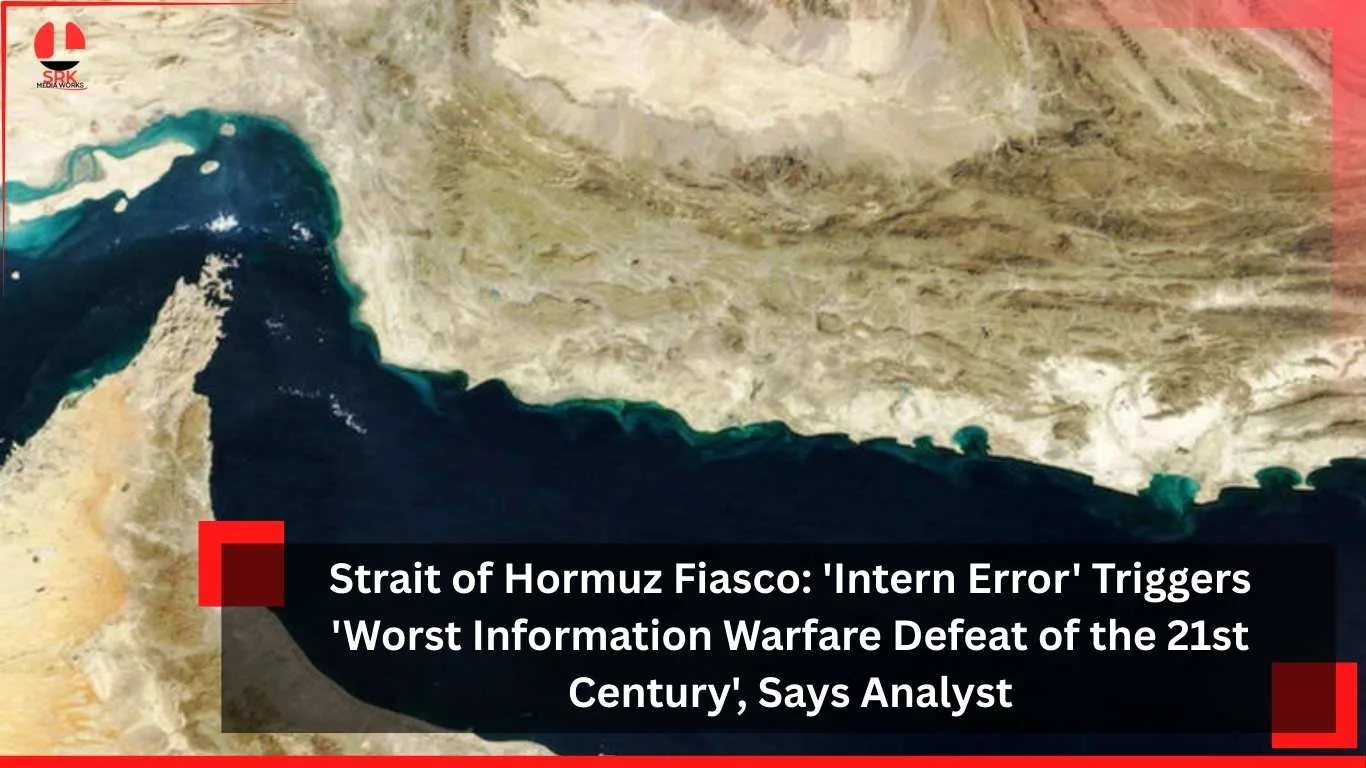
The Strait of Hormuz fiasco has been described by analysts as the “worst information warfare defeat of the 21st century,” after reports revealed that an intern error triggered a cascade of misinformation, confusion, and geopolitical fallout. The incident, which unfolded during heightened tensions in the Gulf, has raised serious questions about the vulnerabilities of modern information systems and the role of human error in global crises.
What Happened in the Strait of Hormuz
According to reports, a miscommunication originating from an intern’s error in data handling led to false alerts about military activity in the Strait of Hormuz. The misinformation spread rapidly across media outlets, social platforms, and even official channels, creating panic about potential clashes between naval forces.
The error was later corrected, but not before it had:
- Sparked diplomatic tensions between Gulf states and Western powers.
- Triggered market volatility, with oil prices spiking briefly.
- Fueled conspiracy theories about deliberate manipulation.
- Undermined trust in official communication channels.
Why Analysts Call It the Worst Defeat in Information Warfare
- Scale of Impact – The misinformation reached millions globally within minutes.
- Geopolitical Fallout – False reports influenced diplomatic decisions and military posturing.
- Economic Shock – Oil markets reacted instantly, highlighting the fragility of global trade.
- Credibility Loss – Governments and institutions struggled to regain public trust.
- Exploitation by Adversaries – Rival states used the incident to amplify propaganda.
Comparative Analysis of Major Information Warfare Failures
| Incident | Cause of Failure | Impact on Global Affairs | Lessons Learned |
|---|---|---|---|
| Strait of Hormuz Fiasco | Intern error, miscommunication | Diplomatic tension, market shock | Need for robust verification |
| 2003 Iraq WMD Narrative | Faulty intelligence | War, long-term instability | Importance of evidence-based policy |
| 2016 US Election Interference | Cyber propaganda | Political polarization | Strengthen cyber defenses |
| COVID-19 Misinformation | Social media spread | Public health crisis | Improve fact-checking mechanisms |
This comparison shows how the Strait of Hormuz fiasco joins a list of major information warfare failures, but stands out for being triggered by a seemingly minor human error.
Analytical Perspective
From an analytical standpoint, the incident underscores the fragility of modern information ecosystems. In an era where data flows instantly across borders, even small errors can escalate into global crises. Analysts argue that the fiasco demonstrates the need for stronger verification protocols, better training, and layered communication systems to prevent similar disasters.
Key Themes Emerging
| Theme | Explanation |
|---|---|
| Human Error | A single intern mistake triggered global consequences. |
| Information Warfare | Adversaries exploited the incident to spread propaganda. |
| Market Vulnerability | Oil prices reacted instantly to misinformation. |
| Trust Deficit | Governments struggled to restore credibility after the fiasco. |
Public and Political Reactions
- Governments: Several Gulf states demanded accountability and transparency in communication systems.
- Analysts: Called the incident a wake-up call for modern information warfare preparedness.
- Citizens: Expressed frustration at how quickly misinformation spread and caused panic.
- Markets: Traders highlighted the need for reliable intelligence to avoid unnecessary volatility.
Broader Implications
The Strait of Hormuz fiasco has broader implications for global security and governance:
- Cybersecurity: Reinforces the importance of protecting information systems from both external and internal errors.
- Diplomacy: Highlights how misinformation can derail delicate negotiations.
- Media Responsibility: Raises questions about the role of media in verifying information before dissemination.
- Training and Oversight: Demonstrates the need for rigorous training and supervision of personnel handling sensitive data.
Conclusion
The Strait of Hormuz fiasco, triggered by an intern error, has been labeled the “worst information warfare defeat of the 21st century.” Its impact on diplomacy, markets, and public trust illustrates the immense power of information in shaping global events. As analysts warn, the incident should serve as a lesson for governments, institutions, and media outlets to strengthen verification systems and safeguard against the dangers of misinformation in an interconnected world.
Disclaimer
This article is a journalistic analysis based on publicly available information and expert commentary. It is intended for informational purposes only and does not represent endorsement of any government or institution. Readers should interpret the content as part of ongoing global discourse rather than a definitive judgment.