


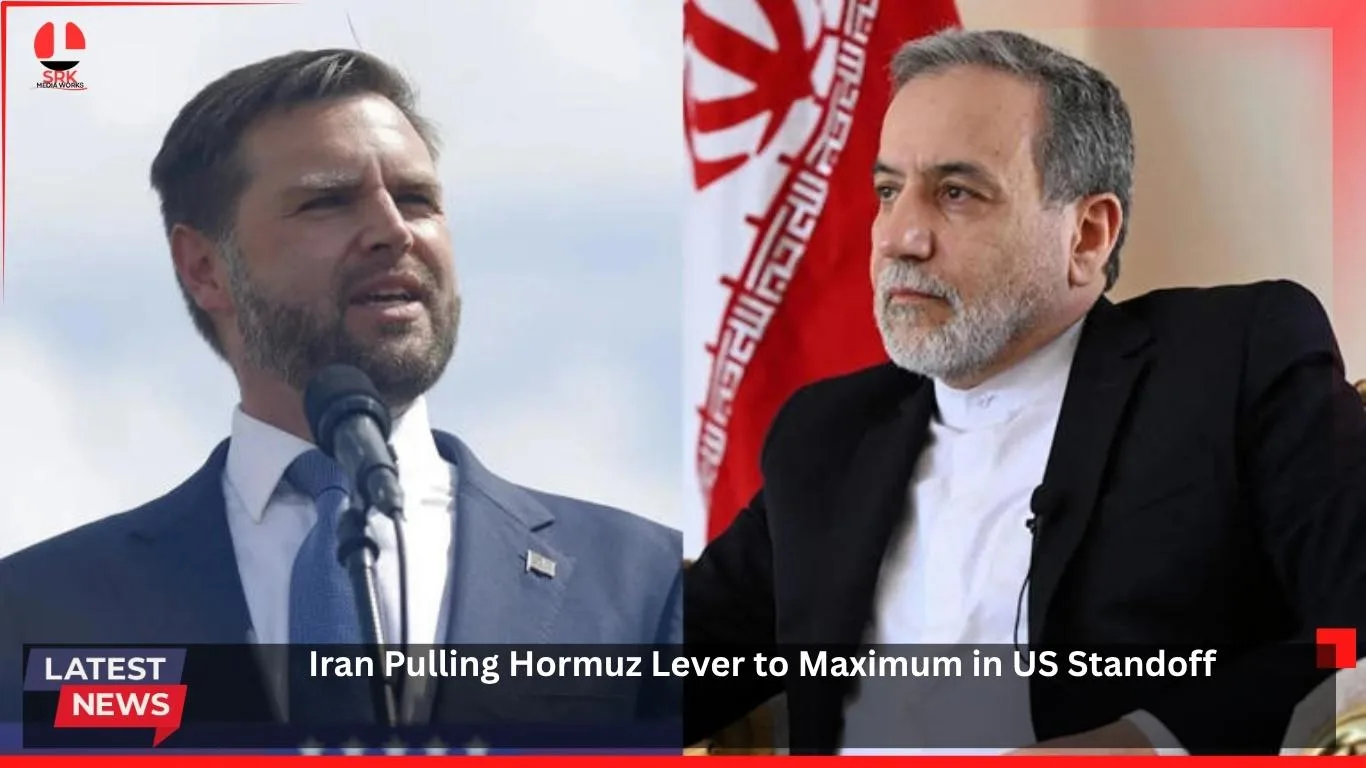
The Strait of Hormuz, a narrow waterway connecting the Persian Gulf with the Gulf of Oman, has once again become the focal point of global geopolitical tension. Iran is reportedly pulling the “Hormuz lever” to its maximum capacity in the ongoing standoff with the United States, signaling a potential escalation that could have far-reaching consequences for global energy markets, maritime security, and international diplomacy.
Strategic Importance of the Strait of Hormuz
The Strait of Hormuz is one of the most critical maritime chokepoints in the world. Approximately 20% of global oil trade passes through this narrow passage, making it a lifeline for energy-dependent economies across Asia, Europe, and beyond. Any disruption in the free flow of oil and liquefied natural gas (LNG) through this strait could trigger immediate spikes in global energy prices and destabilize financial markets.
Key Facts:
- Width: Roughly 21 miles at its narrowest point.
- Daily Oil Transit: Around 17–18 million barrels per day.
- LNG Transit: Significant volumes from Qatar, the world’s largest LNG exporter.
Iran’s Leverage in the Standoff
Iran has historically used the Strait of Hormuz as a strategic bargaining chip in its confrontations with the United States and its allies. By threatening to restrict or disrupt shipping lanes, Tehran aims to exert pressure on Washington’s policies in the Middle East, particularly sanctions and military presence in the region.
Iran’s current posture suggests it is prepared to maximize this leverage:
- Naval Maneuvers: Increased presence of Iranian Revolutionary Guard Corps (IRGC) vessels in the strait.
- Drone Surveillance: Deployment of advanced drones to monitor US and allied naval activity.
- Political Messaging: Statements from Iranian officials warning of consequences if US sanctions continue.
US Response and Military Presence
The United States maintains a strong naval presence in the region, with the Fifth Fleet headquartered in Bahrain. Washington has consistently emphasized its commitment to ensuring freedom of navigation in the Strait of Hormuz. Recent military exercises and patrols highlight the seriousness with which the US views Iran’s threats.
US Measures:
- Carrier strike groups deployed to the Gulf.
- Joint exercises with regional allies.
- Enhanced surveillance and intelligence operations.
Global Energy Market Implications
The possibility of Iran restricting traffic through the Strait of Hormuz has immediate implications for global energy markets. Oil prices are highly sensitive to geopolitical risks, and any disruption could lead to volatility.
| Scenario | Impact on Oil Prices | Impact on LNG Supply | Global Economic Effect |
|---|---|---|---|
| Partial Disruption | Moderate increase (5–10%) | Limited delays | Manageable inflationary pressure |
| Full Blockade | Sharp increase (20–40%) | Severe supply shortages | Global recession risk |
| Diplomatic Resolution | Stabilization | Normal supply | Market confidence restored |
Regional Reactions
Neighboring Gulf states, particularly Saudi Arabia, the UAE, and Qatar, are closely monitoring the situation. These countries rely heavily on the Strait of Hormuz for their energy exports and have invested in alternative pipelines to bypass the strait, though these alternatives cannot fully replace its capacity.
Pivot Analysis of Regional Positions
| Country | Dependence on Hormuz | Alternative Routes | Political Stance |
|---|---|---|---|
| Saudi Arabia | High | East-West pipeline | Aligns with US |
| UAE | High | Fujairah pipeline | Supports US presence |
| Qatar | Very High | Limited alternatives | Seeks diplomatic balance |
| Oman | Moderate | Domestic ports | Neutral mediator |
Diplomatic Efforts
International actors, including the European Union, China, and Russia, are urging restraint. Diplomatic channels are being explored to prevent escalation, with Oman playing a potential role as a mediator given its historical neutrality and good relations with both Iran and the US.
Historical Context
Iran has previously threatened to close the Strait of Hormuz during periods of heightened tension. While it has never fully executed such a blockade, even minor incidents—such as the seizure of oil tankers or harassment of commercial vessels—have been enough to unsettle markets and prompt international concern.
Potential Outcomes
- Escalation: Direct confrontation between US and Iranian forces, leading to regional instability.
- Negotiation: Diplomatic talks resulting in temporary de-escalation and partial sanctions relief.
- Stalemate: Continued tension with sporadic incidents but no full-scale blockade.
Conclusion
Iran’s decision to pull the Hormuz lever to maximum in its standoff with the United States underscores the fragile balance of power in the Gulf region. The Strait of Hormuz remains a critical artery for global energy supplies, and any disruption could reverberate across economies worldwide. The coming weeks will be crucial in determining whether diplomacy prevails or confrontation escalates.
Disclaimer
This article is a geopolitical analysis based on current developments and historical context. It does not represent official government positions or predict future events with certainty. Readers should consider multiple perspectives and consult authoritative sources for comprehensive understanding of the situation.