



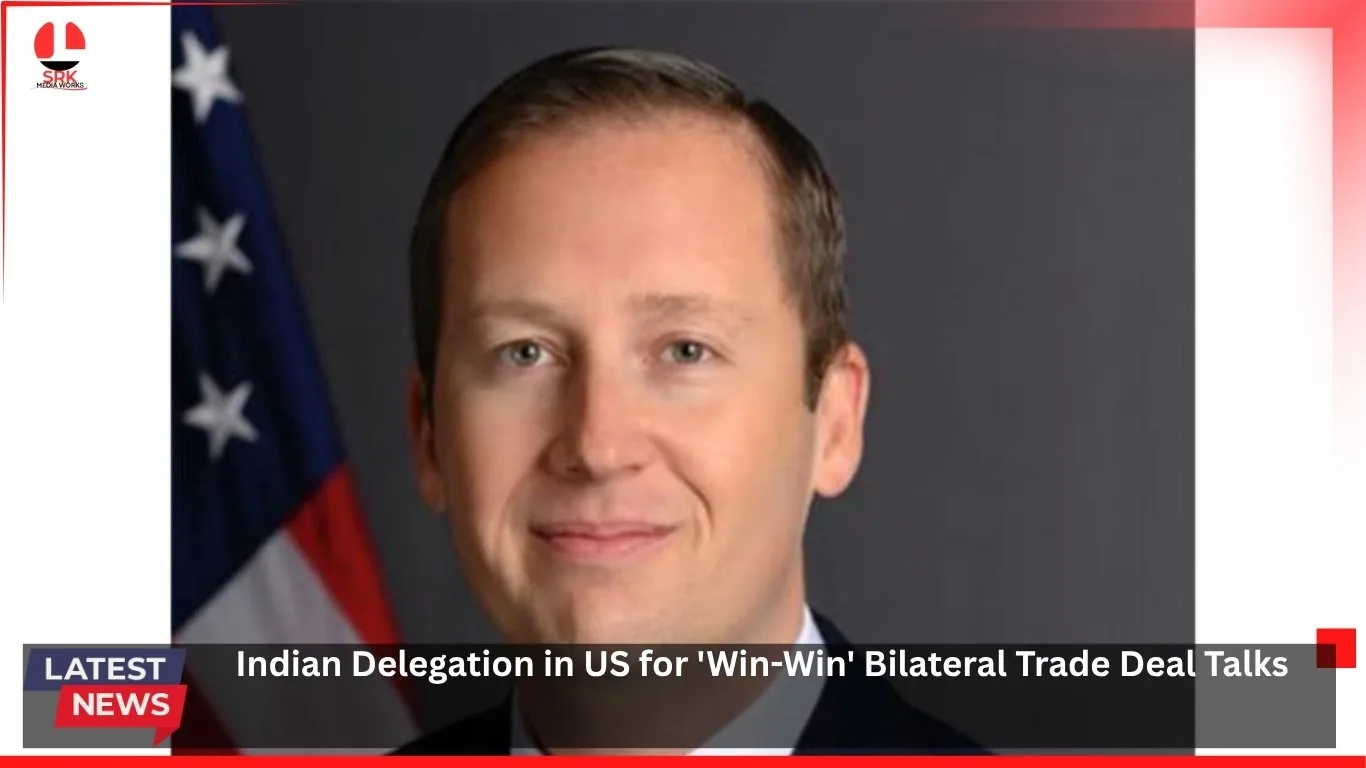
An Indian delegation has arrived in Washington, D.C., for high-level discussions aimed at finalizing a “win-win” bilateral trade deal with the United States. The talks are expected to cover a wide range of sectors including technology, agriculture, pharmaceuticals, defense, and energy, reflecting the growing strategic and economic partnership between the two nations.
Strategic Significance of the Talks
India and the United States have long been key trading partners, with bilateral trade crossing hundreds of billions of dollars annually. The current round of negotiations is seen as pivotal in addressing trade imbalances, reducing tariffs, and creating new opportunities for businesses in both countries.
Key Objectives:
- Enhance market access for Indian goods in the US.
- Expand US exports of agricultural and energy products to India.
- Strengthen cooperation in digital trade and intellectual property rights.
- Promote investment in defense and technology sectors.
Economic Impact
The trade deal under discussion is expected to boost economic growth in both countries. For India, greater access to US markets could help expand exports of textiles, pharmaceuticals, and IT services. For the US, India’s growing consumer base offers opportunities for agricultural products, energy exports, and advanced technology.
| Sector | India’s Interest | US Interest | Potential Outcome |
|---|---|---|---|
| Agriculture | Lower tariffs on Indian produce | Export of US grains and dairy | Balanced trade in food products |
| Technology | Access to US innovation | Expansion of US tech firms in India | Joint R&D initiatives |
| Pharmaceuticals | Easier regulatory approvals | Export of medical devices | Strengthened healthcare trade |
| Defense | Technology transfer | Arms and equipment sales | Strategic defense cooperation |
Pivot Analysis of Trade Priorities
| Country | Priority Sector | Negotiation Focus | Expected Gains |
|---|---|---|---|
| India | IT services, textiles, pharma | Market access, tariff reduction | Export growth, job creation |
| US | Agriculture, energy, defense | Regulatory easing, investment | Expanded exports, strategic presence |
Political and Diplomatic Dimensions
The trade talks are not just about economics; they carry significant diplomatic weight. Both nations are keen to showcase their partnership as a counterbalance to other global powers. The Indian delegation’s emphasis on a “win-win” deal highlights the desire for equitable outcomes that benefit both sides.
Diplomatic Highlights:
- Reinforcement of strategic partnership in Indo-Pacific.
- Collaboration on climate change and renewable energy.
- Alignment on global supply chain resilience.
Challenges Ahead
Despite optimism, several challenges remain:
- Tariff disputes on steel, aluminum, and agricultural goods.
- Intellectual property rights enforcement.
- Regulatory hurdles in pharmaceuticals and medical devices.
- Balancing domestic political pressures in both countries.
Historical Context
India and the US have previously engaged in trade negotiations that faced hurdles due to differences in priorities. However, recent years have seen a stronger push toward cooperation, with both sides recognizing the mutual benefits of deeper economic ties.
Potential Outcomes
- Comprehensive Agreement: A broad deal covering multiple sectors, leading to significant trade expansion.
- Partial Agreement: Focused on specific sectors like agriculture and technology, with phased negotiations for others.
- Extended Talks: Continued discussions without immediate resolution, but with progress toward long-term alignment.
Conclusion
The Indian delegation’s visit to the US for bilateral trade deal talks marks a crucial step in strengthening economic and strategic ties. A successful agreement would not only boost trade but also reinforce the partnership between two of the world’s largest democracies. The emphasis on a “win-win” outcome reflects the shared vision of prosperity and cooperation.
Disclaimer
This article is an analytical overview of ongoing trade discussions between India and the United States. It is based on current developments and historical context, and does not represent official government positions. Readers are encouraged to follow updates from reliable sources for the latest information on the negotiations.


