







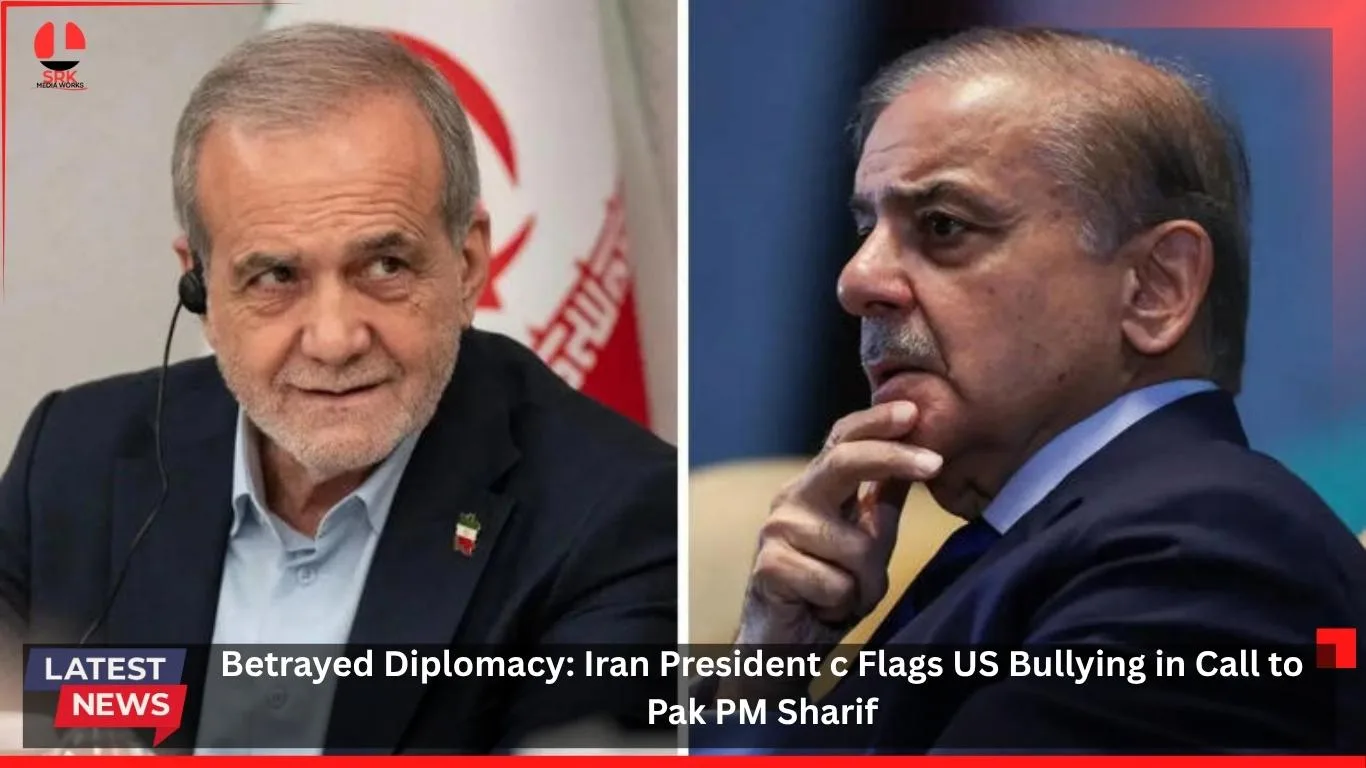
Iranian President Masoud Pezeshkian has strongly criticized what he described as “US bullying” during a recent phone call with Pakistan’s Prime Minister Shehbaz Sharif. The conversation, which focused on regional diplomacy and bilateral cooperation, highlighted Iran’s growing frustration with Washington’s policies and its impact on Middle Eastern stability. The remarks have sparked fresh debate about the balance of power in the region and the role of Pakistan as a potential mediator.
Iran’s Position
President Pezeshkian’s comments reflect Tehran’s longstanding grievances against US sanctions and military presence in the Gulf. By flagging “bullying,” he underscored Iran’s view that Washington’s unilateral measures undermine diplomatic efforts and regional sovereignty.
Iran’s Key Concerns:
- Continued sanctions restricting economic growth.
- US military presence in the Gulf waters.
- Pressure on Iran’s regional alliances.
- Lack of recognition of Iran’s role in regional security.
Pakistan’s Response
Prime Minister Shehbaz Sharif reportedly assured Iran of Pakistan’s commitment to dialogue and peaceful resolution of disputes. Pakistan has historically maintained a delicate balance between its ties with the US and its relationship with Iran, often positioning itself as a bridge in regional diplomacy.
Pakistan’s Diplomatic Goals:
- Promote peace and stability in South Asia and the Gulf.
- Strengthen economic cooperation with Iran.
- Avoid direct confrontation with Washington.
- Enhance its role as a mediator in regional conflicts.
US-Iran Tensions
The US has consistently accused Iran of destabilizing the region through its support for proxy groups and military activities. Iran, in turn, views US sanctions and military deployments as coercive tactics. The latest exchange between Pezeshkian and Sharif highlights the widening gap between Washington and Tehran.
| Issue | US Position | Iran Position | Regional Impact |
|---|---|---|---|
| Sanctions | Necessary to curb Iran’s nuclear ambitions | Unjust and harmful to civilians | Economic instability |
| Military Presence | Ensures freedom of navigation | Provocative and aggressive | Heightened tensions |
| Regional Alliances | Support for Gulf states | Support for resistance groups | Polarization of region |
| Diplomacy | Conditional engagement | Demand for equal recognition | Stalled negotiations |
Pivot Analysis of Diplomatic Dynamics
| Actor | Role | Leverage | Expected Outcome |
|---|---|---|---|
| Iran | Critic of US policies | Regional influence, energy routes | Push for sanctions relief |
| Pakistan | Mediator | Geographic position, diplomatic ties | Enhanced global standing |
| US | Global power | Military presence, sanctions | Maintain pressure on Iran |
| Gulf States | Regional stakeholders | Oil exports, alliances | Security cooperation with US |
Regional Implications
The conversation between Pezeshkian and Sharif has implications beyond bilateral ties. It signals Iran’s intent to rally regional support against US pressure while encouraging Pakistan to play a more active role in mediation. Gulf states, meanwhile, remain cautious, balancing their alliances with Washington against the need for regional stability.
Key Effects:
- Potential strengthening of Iran-Pakistan economic ties.
- Increased diplomatic activity in Islamabad.
- Heightened scrutiny from Gulf states and Western powers.
- Renewed focus on regional security frameworks.
Historical Context
Iran has often accused the US of undermining diplomacy through unilateral sanctions and military interventions. Pakistan, on the other hand, has historically sought to balance its relations with both sides, often acting as a neutral party in regional disputes. The latest exchange reflects continuity in these positions but also highlights growing urgency amid escalating tensions.
Possible Outcomes
- Enhanced Iran-Pakistan Cooperation: Stronger economic and diplomatic ties, with Pakistan acting as a mediator.
- Continued US Pressure: Washington maintains sanctions and military presence, limiting diplomatic progress.
- Regional Mediation Framework: Pakistan, along with other regional actors, pushes for a collective dialogue mechanism.
- Stalemate: Talks remain symbolic, with little tangible progress.
Conclusion
President Pezeshkian’s remarks to Prime Minister Sharif about US “bullying” highlight the deep mistrust between Tehran and Washington. Pakistan’s role as a mediator could prove crucial in shaping future diplomatic efforts, but the path forward remains uncertain. The balance between confrontation and cooperation will define the next phase of regional diplomacy.
Disclaimer
This article is an analytical overview of recent diplomatic exchanges between Iran and Pakistan, focusing on Iran’s criticism of US policies. It does not represent official government positions or predict future events with certainty. Readers should follow authoritative updates for the latest developments.