







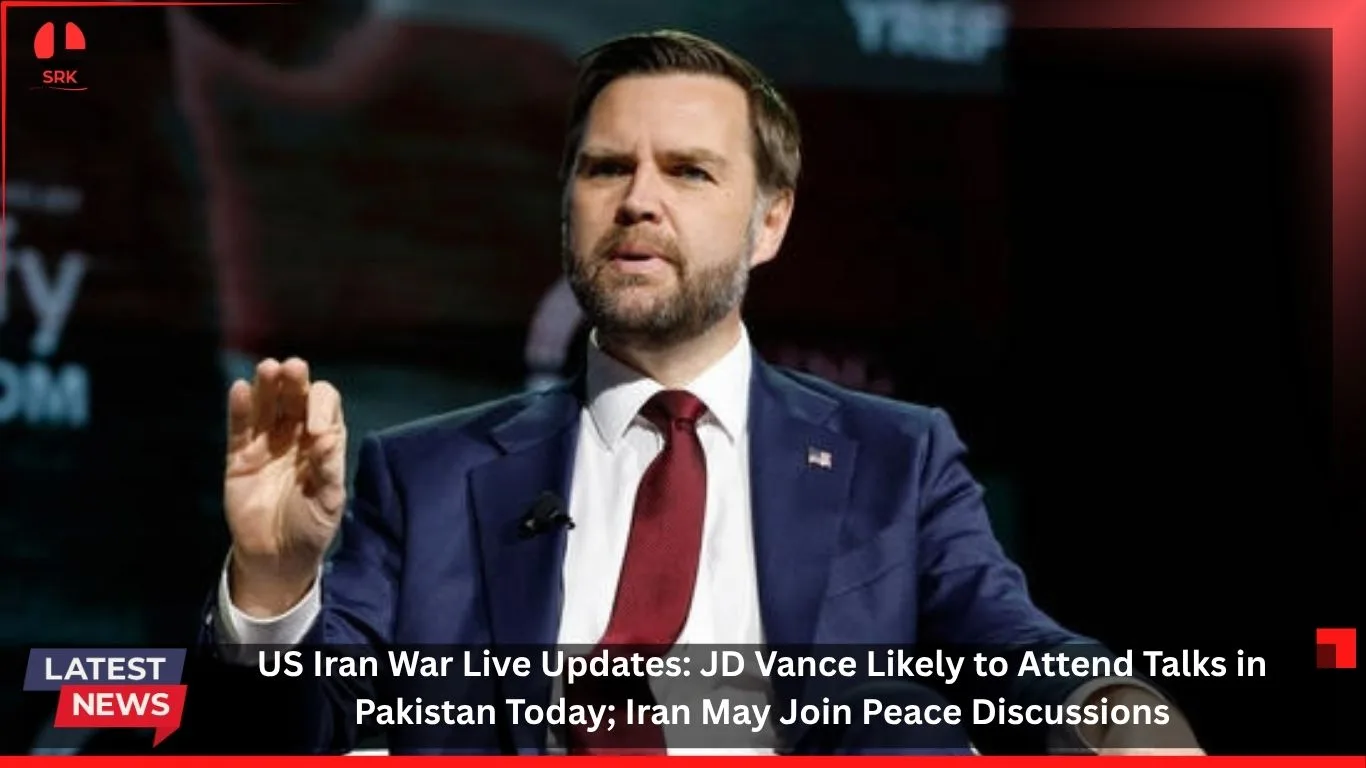
The ongoing US-Iran tensions have taken a new turn as reports suggest that JD Vance, a prominent US political figure, is likely to attend peace talks in Pakistan today. At the same time, Iran has indicated its willingness to join the discussions, signaling a possible shift toward diplomatic engagement amid escalating conflict. These developments are being closely monitored by global powers, regional stakeholders, and international organizations, as the outcome could reshape the trajectory of the crisis.
Pakistan’s Role as Mediator
Pakistan has historically played a balancing role in regional conflicts, leveraging its strategic position and diplomatic ties with both the US and Iran. Hosting peace talks in Islamabad underscores Pakistan’s intent to act as a mediator and prevent further escalation in the region.
Key Mediation Goals:
- Prevent direct military confrontation between the US and Iran.
- Encourage dialogue on sanctions and regional security.
- Promote stability in the Gulf and South Asia.
- Strengthen Pakistan’s diplomatic standing on the global stage.
JD Vance’s Expected Participation
JD Vance’s likely attendance at the talks adds weight to the negotiations. His presence signals Washington’s seriousness about exploring diplomatic solutions, even as military tensions remain high. Analysts believe his participation could help bridge gaps between hardline positions and pragmatic solutions.
US Objectives:
- Secure commitments from Iran to reduce military activity in the Gulf.
- Explore pathways for sanctions relief tied to compliance.
- Strengthen alliances with regional partners.
- Demonstrate willingness to engage in multilateral diplomacy.
Iran’s Conditional Engagement
Iran’s decision to consider joining the peace discussions comes after weeks of heightened military activity and political rhetoric. Reports suggest that Tehran’s participation is contingent on assurances that its sovereignty and regional influence will not be undermined.
Iran’s Priorities:
- Sanctions relief to stabilize its economy.
- Recognition of its regional role in the Middle East.
- Security guarantees against military strikes.
- Balanced negotiations without unilateral concessions.
Global Reactions
The international community has responded cautiously but positively to the possibility of peace talks. European nations, China, and Russia have expressed support for dialogue, while Gulf states remain wary of Iran’s intentions.
| Stakeholder | Reaction | Strategic Interest |
|---|---|---|
| EU | Supportive of talks | Trade stability, non-proliferation |
| China | Encourages dialogue | Energy security, regional influence |
| Russia | Seeks involvement | Strategic leverage in Middle East |
| Gulf States | Cautious optimism | Regional security, balance of power |
Pivot Analysis of Negotiation Dynamics
| Party | Position | Leverage | Expected Outcome |
|---|---|---|---|
| US | Reduce tensions, maintain sanctions leverage | Military presence, alliances | Conditional engagement |
| Iran | Sanctions relief, recognition | Regional influence, energy routes | Participation if balanced |
| Pakistan | Mediation role | Geographic position, diplomatic ties | Enhanced global standing |
| International Community | Stability, trade security | Diplomatic pressure | Support for peaceful resolution |
Military Context
Despite the diplomatic overtures, military tensions remain high. US naval forces continue to patrol the Gulf, while Iran’s Revolutionary Guard has maintained its presence in strategic waterways. The risk of miscalculation remains a concern, making the talks even more critical.
Military Highlights:
- US carrier groups stationed in the Gulf.
- Iranian missile and drone activity monitored.
- Regional allies on alert for potential escalation.
- Ongoing intelligence operations by both sides.
Economic Implications
The conflict has already impacted global energy markets, with oil prices fluctuating amid uncertainty. A successful peace dialogue could stabilize markets, while failure may lead to further volatility.
| Scenario | Oil Price Impact | Global Economic Effect |
|---|---|---|
| Successful Talks | Stabilization, moderate decline | Boost in market confidence |
| Failed Talks | Sharp increase | Inflationary pressures worldwide |
| Prolonged Stalemate | Continued volatility | Investor uncertainty |
Historical Context
US-Iran relations have been marked by decades of mistrust, sanctions, and sporadic confrontations. Previous attempts at dialogue have often faltered due to conflicting priorities. The current talks in Pakistan represent another opportunity to break the cycle, though success remains uncertain.
Possible Outcomes
- Breakthrough Agreement: Comprehensive deal addressing sanctions, military activity, and regional security.
- Partial Progress: Limited agreements on specific issues, with continued negotiations.
- Renewed Stalemate: Talks collapse, leading to further escalation and instability.
Conclusion
The live updates from Islamabad highlight a critical moment in the US-Iran conflict. JD Vance’s likely participation and Iran’s conditional willingness to join peace discussions offer a glimmer of hope for diplomacy. The coming days will determine whether these talks can pave the way for de-escalation or whether the region will face renewed confrontation.
Disclaimer
This article provides an analytical overview of ongoing developments in the US-Iran conflict and potential peace talks in Pakistan. It is based on current reports and historical context, and does not represent official government positions. Readers should follow authoritative updates for the latest information.