


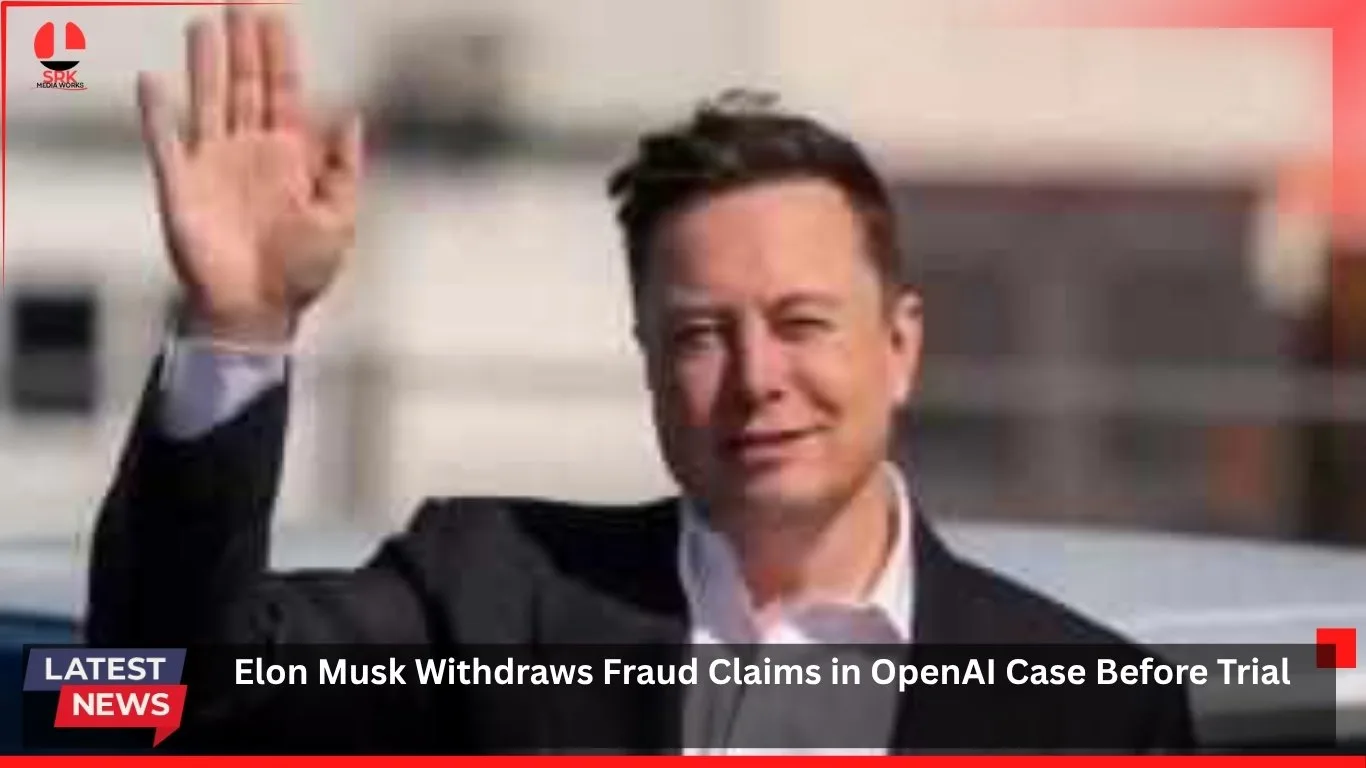
Elon Musk has withdrawn his fraud claims against OpenAI just days before the case was set to go to trial, marking a significant shift in one of the most closely watched legal battles in the technology sector. The move narrows the scope of the lawsuit, which had alleged that OpenAI strayed from its original mission of developing artificial intelligence for the benefit of humanity by prioritizing commercial interests.
Background of the Case
Musk, who co-founded OpenAI in 2015, filed a lawsuit earlier this year claiming that the company had breached its founding principles. He alleged that OpenAI’s partnership with Microsoft and its focus on monetizing AI products contradicted its original non-profit mission. The fraud claims were among the most serious allegations, suggesting intentional misrepresentation.
By withdrawing these claims, Musk has effectively streamlined the case to focus on contractual and governance issues rather than accusations of deliberate deception.
Expert Insights
Legal experts suggest that Musk’s decision to drop fraud claims could be strategic. Fraud allegations require a higher burden of proof, including evidence of intent, which can be difficult to establish. By focusing on breach of contract and fiduciary duty, Musk may be aiming for a more straightforward legal path.
Comparative Analysis of Legal Claims
| Claim Type | Burden of Proof | Musk’s Approach | Current Status |
|---|---|---|---|
| Fraud | High (intent required) | Initially pursued | Withdrawn |
| Breach of Contract | Moderate (terms violation) | Still active | Ongoing |
| Fiduciary Duty | Moderate (trust obligations) | Still active | Ongoing |
| Governance Issues | Moderate (structural concerns) | Still active | Ongoing |
This comparison shows how Musk has shifted focus from high-risk fraud claims to more manageable contractual disputes.
Implications for OpenAI
OpenAI has consistently denied Musk’s allegations, arguing that its partnership with Microsoft has enabled it to scale AI responsibly. The withdrawal of fraud claims reduces reputational risk for OpenAI, as fraud allegations often carry severe public perception consequences.
Industry Reactions
- Tech Analysts: Many believe Musk’s withdrawal signals recognition of the difficulty in proving fraud.
- Investors: Relief that the case may now proceed on narrower grounds, reducing uncertainty.
- AI Community: Divided opinions, with some supporting Musk’s concerns about commercialization and others defending OpenAI’s pragmatic approach.
Historical Context
OpenAI was founded with the mission of ensuring artificial intelligence benefits humanity. Musk’s departure from the board in 2018 and subsequent criticism of the company reflect broader debates about the commercialization of AI. His lawsuit reignited these discussions, highlighting tensions between idealism and business realities in the tech industry.
Future Outlook
The trial, now focused on contractual and governance issues, could still have significant implications for OpenAI’s structure and partnerships. If Musk succeeds, it may force changes in how OpenAI operates and collaborates with corporate partners. If OpenAI prevails, it will reinforce its current trajectory of balancing innovation with commercial viability.
Conclusion
Elon Musk’s withdrawal of fraud claims in the OpenAI case marks a pivotal moment in the legal battle. By narrowing the scope of the lawsuit, Musk has shifted focus to contractual disputes that may be easier to argue in court. The outcome will not only shape OpenAI’s future but also influence broader debates about the commercialization of artificial intelligence.
Disclaimer
This article is a legal and technology news analysis created for informational and educational purposes. It is based on expert opinions, historical context, and publicly available information. The content does not represent official statements from courts, companies, or individuals. Readers are advised to consult legal experts for detailed interpretations of ongoing cases.