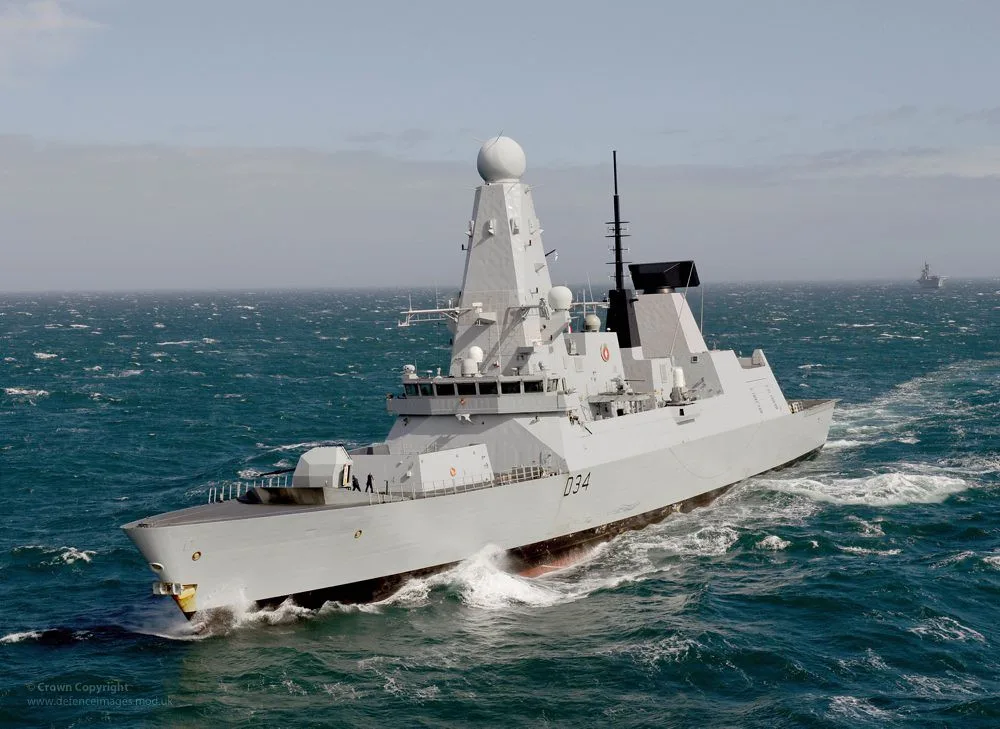






As the 60-day deadline under the War Powers Resolution approaches, a critical juncture is emerging for both the U.S. Congress and President Donald Trump regarding potential military engagement with Iran. This looming deadline, triggered by the President’s deployment of U.S. armed forces into hostilities or situations which could reasonably lead to their involvement in hostilities, compels a formal congressional review and potential vote on continued U.S. military action.
Background: The War Powers Resolution of 1973
The War Powers Resolution (WPR) of 1973 is a federal law intended to check the U.S. President’s power to commit the nation to armed conflict without the consent of Congress. It requires the President to notify Congress within 48 hours of committing armed forces to military action.
Crucially, the WPR stipulates that if Congress does not declare war or grant specific authorization for the use of military force, the President must terminate the use of U.S. armed forces within 60 days. An additional 30-day period is allowed for the safe withdrawal of U.S. forces.
If the President fails to withdraw forces within this timeframe, Congress can pass a concurrent resolution, which does not require presidential signature, to order the removal of U.S. forces. This mechanism provides a legislative check on executive war-making power.
Recent Escalation and Presidential Actions
Tensions between the United States and Iran have significantly escalated in recent months. The U.S. has accused Iran of numerous destabilizing actions, including attacks on oil tankers, the downing of a U.S. drone, and alleged involvement in attacks on Saudi oil facilities. Iran, in turn, has accused the U.S. of provoking conflict and imposing crippling economic sanctions.
In response to these perceived threats, the Trump administration authorized the deployment of additional U.S. troops, military assets, and enhanced defensive capabilities to the Middle East. These deployments were framed as defensive measures to deter Iranian aggression and protect U.S. interests and allies in the region.
The specific nature and scope of these deployments, and whether they constitute “hostilities” or “situations which could reasonably lead to involvement in hostilities” under the WPR, are subject to interpretation. The administration has generally avoided seeking formal congressional authorization for the use of force, relying instead on its inherent authority as Commander-in-Chief.
Congressional Scrutiny and Divided Opinions
Members of Congress from both parties have expressed varying degrees of concern and support regarding the administration’s actions and the potential for wider conflict. Some lawmakers have called for greater transparency and a clear strategy from the White House, while others have voiced strong opposition to any unilateral military action against Iran.
The approaching 60-day deadline is forcing a more direct confrontation between the legislative and executive branches. Key committees in both the House of Representatives and the Senate are holding hearings and demanding briefings from administration officials. The focus is on understanding the specific intelligence driving current U.S. policy and the potential consequences of further escalation.
Democrats, generally, have been more vocal in their insistence that the administration must adhere to the WPR and seek congressional approval for any sustained military engagement. They argue that the WPR is a vital safeguard against unchecked presidential power in matters of war and peace.
Republicans have shown a more divided response. While some echo Democratic concerns about the WPR and the need for congressional consultation, others have expressed greater deference to the President’s judgment as Commander-in-Chief, particularly in the face of perceived Iranian threats. Some argue that the deployments are purely defensive and do not trigger the WPR’s reporting requirements.
The President’s Choices
As the deadline nears, President Trump faces several critical choices. He can continue the current posture, arguing that the WPR’s reporting requirements were not triggered, and maintain U.S. forces in the region without explicit congressional approval.
Alternatively, he can formally report to Congress under the WPR, initiating the 60-day clock. This would put pressure on Congress to either authorize continued military action or force a withdrawal of U.S. forces, potentially undermining his administration’s deterrence strategy.
A third option involves a de-escalation of rhetoric and actions, potentially coupled with diplomatic overtures, to reduce tensions and avoid triggering the WPR’s mandatory review process. However, given the current geopolitical climate, this appears less likely without significant shifts from either side.
Data and Expert Perspectives
Analysis from think tanks like the RAND Corporation and the Center for Strategic and International Studies (CSIS) highlights the inherent ambiguity in defining “hostilities” under the WPR. Legal scholars debate whether defensive postures and limited retaliatory strikes constitute a “commitment” of forces that necessitates reporting.
Former national security officials and military analysts warn of the significant risks associated with miscalculation. “Any direct military confrontation between the U.S. and Iran carries the potential for rapid escalation, drawing in regional allies and potentially leading to a wider, protracted conflict with devastating humanitarian and economic consequences,” stated a senior fellow at the Brookings Institution.
Data from the Congressional Research Service indicates that presidents have often cited national security imperatives to bypass or limit the application of the WPR. However, recent congressional actions, such as the passage of resolutions limiting support for the Saudi-led coalition in Yemen, demonstrate a renewed assertiveness from the legislative branch in foreign policy matters.
Implications for the United States and the Region
The outcome of this standoff between the President and Congress has significant implications. If the administration successfully navigates the deadline without congressional action, it could set a precedent for future executive actions in foreign conflicts, potentially weakening Congress’s role in matters of war.
Conversely, if Congress forces a withdrawal or demands greater oversight, it could signal a shift towards greater legislative control over military deployments and a reassertion of checks and balances.
For the region, the decisions made in Washington will directly impact stability. Continued U.S. military presence aims to deter Iran, but it also risks further inflaming regional tensions and increasing the likelihood of proxy conflicts or direct confrontations. Diplomatic channels remain open, but their effectiveness is heavily influenced by the military posture adopted by the major powers involved.
What to Watch Next
Attention will be focused on the specific language used by the White House in its communications with Congress, if any, as the deadline approaches. Key votes or resolutions within Congress will indicate the strength of legislative opposition or support for the administration’s policies. Observers will also monitor any shifts in military posture or diplomatic engagement from both the U.S. and Iran, as well as the reactions of key regional players like Saudi Arabia and Israel.