




Iran has issued a stern warning of “painful retaliation” against any resumption of U.S. military strikes, as President Trump weighs further actions amidst a costly and prolonged standoff. This heightened rhetoric underscores the precarious geopolitical situation, particularly concerning the vital Strait of Hormuz, a critical chokepoint for global oil supplies.
Rising Tensions and Historical Context
The current escalation follows a period of increased tensions between the United States and Iran. The U.S. has previously conducted strikes against Iranian targets, leading to retaliatory actions and a cycle of escalating hostility. These events have historically been linked to broader geopolitical objectives and regional power dynamics.
The Trump administration’s “maximum pressure” campaign against Iran, including stringent economic sanctions, has been a significant factor contributing to the current climate. This policy aims to curb Iran’s nuclear program and its regional influence. However, critics argue that these sanctions have also disproportionately affected the Iranian populace and may be pushing the nation towards more aggressive stances.
The Strait of Hormuz: A Global Lifeline at Risk
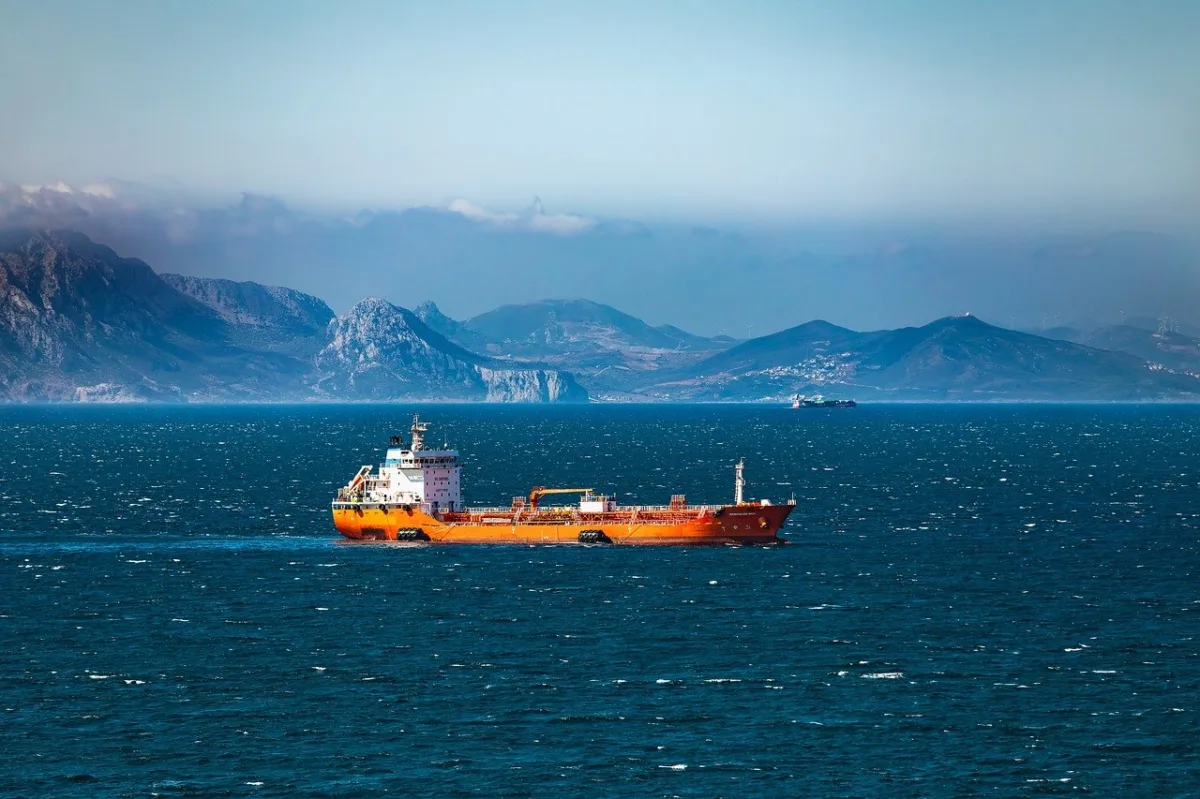
The Strait of Hormuz, a narrow waterway connecting the Persian Gulf to the open ocean, is of paramount strategic importance. Approximately 20-30% of the world’s oil, or about 17 million barrels per day, passes through this strait. Any disruption to shipping in this region could have immediate and severe repercussions on global energy markets, leading to significant price hikes and supply shortages.
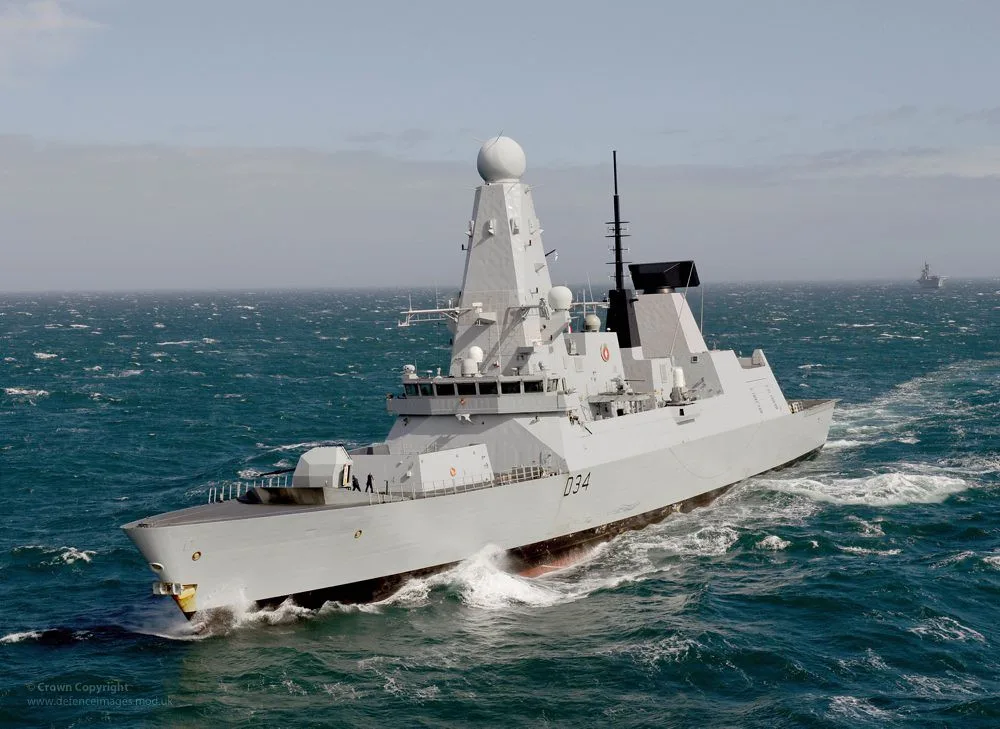
Iran has, in the past, threatened to close the Strait of Hormuz if its interests are threatened. This threat looms large in discussions about potential military conflict. The U.S. Navy maintains a significant presence in the region to ensure freedom of navigation and protect commercial shipping, leading to frequent encounters and potential flashpoints.
Iran’s Warning and Potential Retaliation
The specific nature of Iran’s promised “painful retaliation” remains unspecified, but historical precedents suggest a range of possible responses. These could include asymmetrical warfare tactics, cyberattacks, or actions targeting U.S. allies and interests in the Middle East. Iran possesses a variety of ballistic missiles and a significant naval force, including asymmetric capabilities, that could be employed.
Iranian officials have consistently framed their defensive posture as a response to perceived aggression from the U.S. and its allies. The rhetoric serves not only as a deterrent but also as a means to rally domestic support and signal resolve to regional adversaries.
U.S. Considerations and Diplomatic Efforts
President Trump’s decision-making process regarding further military action is under intense scrutiny. The potential consequences of any strike, both in terms of Iranian retaliation and broader regional stability, are significant. The U.S. faces a complex calculus involving national security interests, economic impacts, and the potential for a wider conflict.
While military options are being considered, diplomatic channels remain open, though progress has been slow. International bodies and key global powers continue to urge de-escalation and dialogue to prevent a full-blown conflict. The effectiveness of these diplomatic efforts hinges on the willingness of both sides to engage in meaningful negotiations.
Expert Analysis and Data Points
Dr. Evelyn Reed, a Middle East analyst at the Global Security Institute, commented, “The current situation is exceptionally volatile. Iran’s warning is not to be taken lightly, given its demonstrated capacity for asymmetric responses. The risk of miscalculation is extremely high, potentially triggering a cascade of events that could destabilize the entire region.”
Data from the U.S. Energy Information Administration (EIA) consistently highlights the Strait of Hormuz’s critical role in global oil transit. In 2023, the EIA reported that an average of 21 million barrels of crude oil and petroleum products flowed through the strait daily, underscoring its indispensability to the global economy.
Implications for Global Markets and Regional Stability
The implications of an escalation are far-reaching. A conflict, or even a significant disruption in the Strait of Hormuz, would inevitably lead to a surge in oil prices. This would impact consumers worldwide through higher fuel costs and could derail global economic recovery efforts. Businesses reliant on stable energy supplies would face increased operational costs.
Regionally, an escalation could embolden other actors, further destabilizing countries like Yemen, Syria, and Iraq. The humanitarian consequences in these already fragile states could be catastrophic. The potential for a wider regional war, drawing in other Gulf states and international powers, remains a grave concern.
What to Watch Next
The coming days and weeks will be critical in determining the trajectory of this standoff. Investors and policymakers will be closely monitoring President Trump’s decisions regarding potential U.S. strikes and Iran’s subsequent reactions. The ongoing diplomatic efforts, however nascent, will also be a key indicator of whether a peaceful resolution remains attainable. The operational status of naval forces in the Strait of Hormuz and any reported incidents will be crucial indicators of immediate risk levels.