




Global oil prices surged to their highest point in four years this week, driven by escalating tensions between Iran and the United States and fears of a disruption to critical shipping lanes. The spike occurred as reports emerged detailing new U.S. strategies to counter Iranian aggression, with lawmakers being briefed on potential options to navigate the volatile Strait of Hormuz.
Background: The Strait of Hormuz and Oil Supply
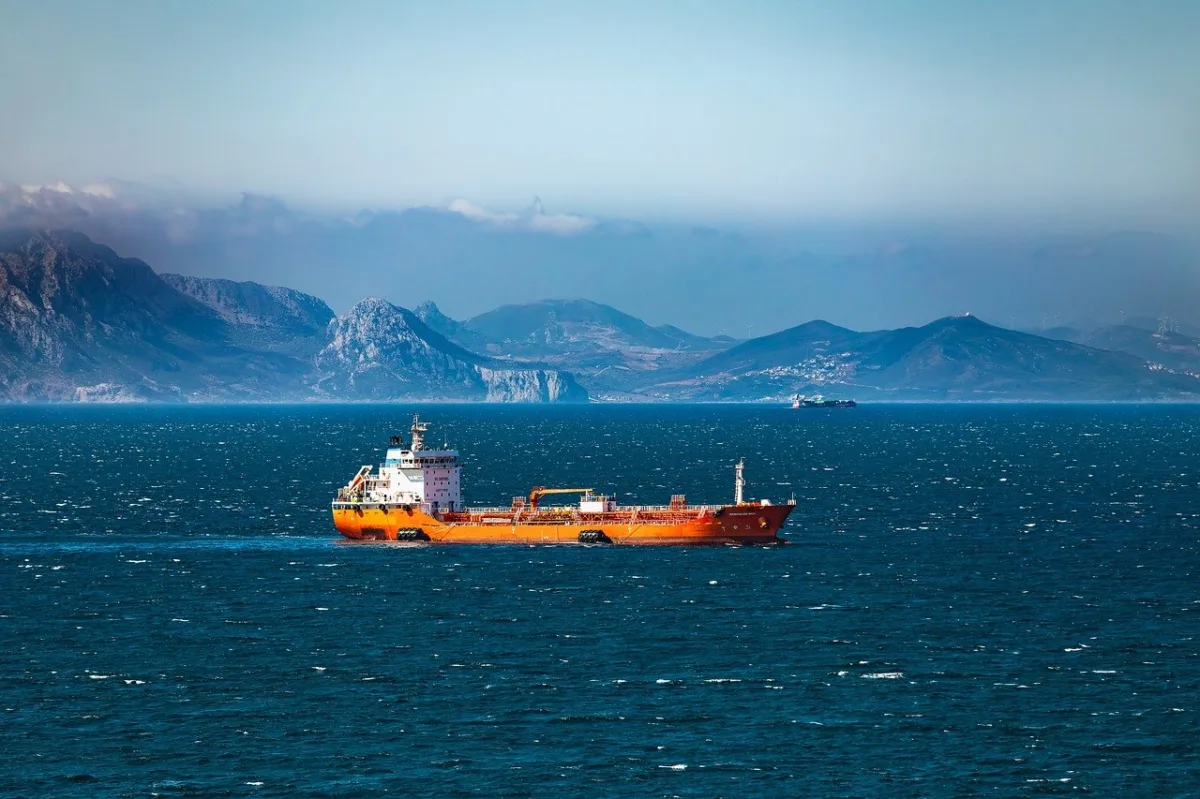
The Strait of Hormuz is a vital chokepoint for global oil transportation, connecting the Persian Gulf to the open ocean. Approximately 30% of the world’s seaborne oil trade passes through this narrow waterway daily. Any threat to its free passage, particularly from regional powers like Iran, has immediate and significant repercussions for global energy markets.
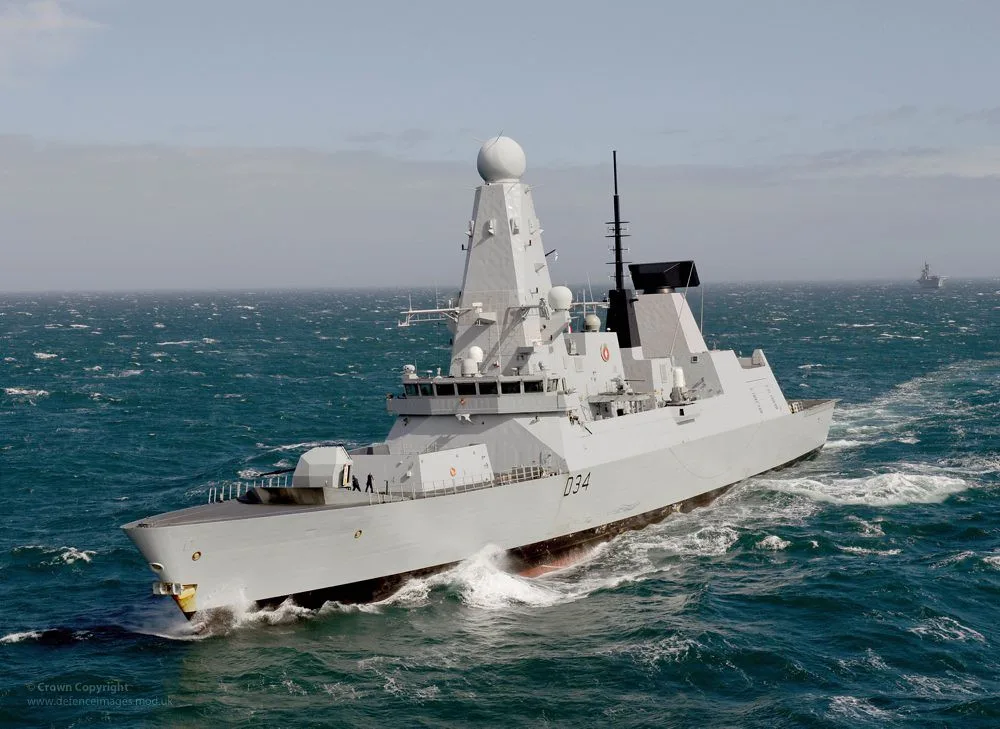
Recent weeks have seen a marked increase in confrontations. Iran has been implicated in a series of attacks and seizures involving commercial vessels, raising concerns about its intentions and capabilities to disrupt maritime traffic. These actions have prompted a strong response from the U.S. and its allies, who are seeking to maintain freedom of navigation and prevent a broader conflict.
Escalating Tensions and Market Reaction
The immediate trigger for the latest price surge appears to be reporting by Axios, which indicated that the Trump administration is considering new options to address the standoff with Iran. These discussions reportedly involve briefings for lawmakers, suggesting a potential shift or escalation in U.S. policy. The prospect of further military or diplomatic maneuvers in the region has spooked oil markets.
Benchmark Brent crude futures climbed significantly, surpassing previous records and reaching levels not seen since late 2014. Similarly, West Texas Intermediate (WTI) crude prices saw a substantial increase. This upward movement reflects heightened investor anxiety about potential supply disruptions emanating from the Persian Gulf.
Analysts point to the psychological impact of the news as a primary driver. Even the threat of conflict, rather than an actual sustained disruption, is enough to push prices higher due to the market’s sensitivity to the Strait of Hormuz’s stability. The market’s pricing-in of risk premium has become a dominant factor.
U.S. Strategy and Lawmaker Briefings
Details surrounding the new options being presented to President Trump remain scarce, but the fact that lawmakers are being briefed suggests a coordinated effort to manage the situation. These discussions could encompass a range of responses, from enhanced naval patrols and diplomatic pressure to more assertive military postures.
The involvement of Congress signifies the gravity with which the administration views the escalating Iranian actions. Lawmakers from both parties have expressed concern over regional stability and the potential economic fallout from oil price volatility. Briefings aim to ensure congressional support for any proposed course of action and to provide transparency on the evolving threat assessment.
Past U.S. strategies have included naval escorts for commercial shipping and increased sanctions on Iran. The current deliberations may involve refining these tactics or exploring entirely new approaches to deter Iranian aggression without triggering a full-scale war.
Expert Perspectives and Data
Energy market analysts have widely commented on the situation. “The Strait of Hormuz is the world’s most important oil transit point. Any disruption there sends immediate shockwaves through the global supply chain and directly impacts prices,” stated a senior analyst at a major energy consulting firm. “We are seeing a clear risk premium being added to oil prices as markets anticipate potential escalations.”
Data from the U.S. Energy Information Administration (EIA) consistently highlights the volume of crude oil and petroleum products that transit the Strait. Reports indicate that in recent years, daily flows have often exceeded 15 million barrels. A sustained blockage, even for a short period, could remove millions of barrels of supply from the market daily, leading to severe price spikes and potential shortages.
Geopolitical risk intelligence firms have also noted an uptick in chatter and potential threats originating from Iranian-backed groups. These intelligence assessments, while not always leading to direct action, contribute to the overall market nervousness and the perceived likelihood of disruption.
Implications for Consumers and the Economy
The most immediate implication for consumers is higher gasoline prices at the pump. As crude oil prices rise, so do the costs of refined products like gasoline, diesel, and jet fuel. This increase impacts household budgets, raises transportation costs for businesses, and can contribute to broader inflation.
For the global economy, sustained high oil prices can dampen economic growth. Higher energy costs reduce consumer spending on other goods and services and increase operating expenses for industries ranging from manufacturing and transportation to agriculture. Central banks may find themselves facing difficult choices if inflation pressures intensify.
The energy industry itself faces a complex landscape. While higher prices can benefit oil producers, they also increase the cost of exploration and production. Furthermore, prolonged price volatility can deter long-term investment decisions and accelerate the transition towards alternative energy sources, although this transition takes time.
What to Watch Next
Attention will remain fixed on developments in the Persian Gulf and the specific strategies the U.S. administration decides to pursue. Key indicators to monitor include further Iranian actions, the nature of the U.S. response, and the reactions of other major oil-producing and consuming nations. The stability of the Strait of Hormuz will continue to be the paramount factor influencing global oil prices in the coming weeks and months.