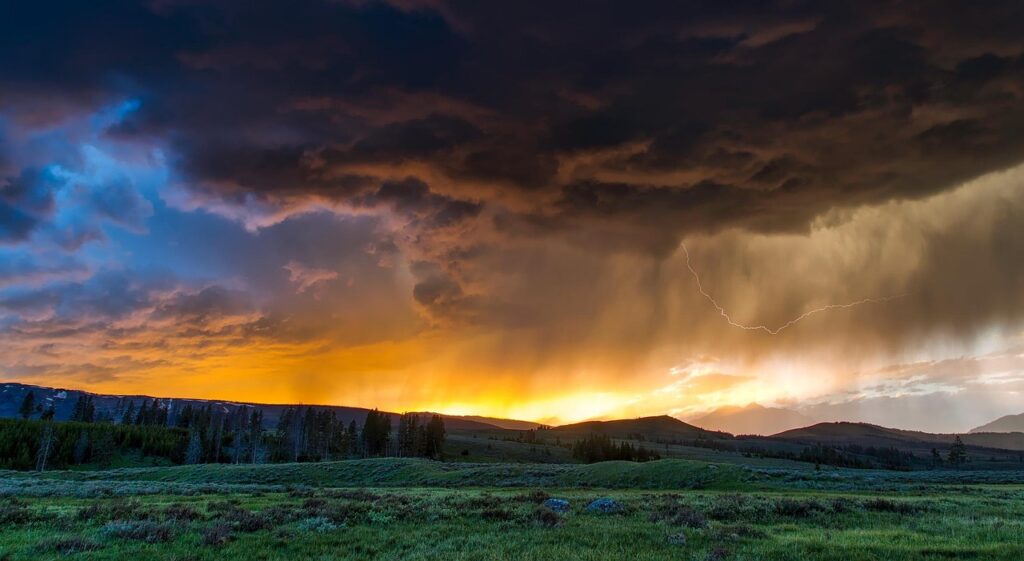

Thousands of attendees gathered on the National Mall in Washington, D.C., were ordered to evacuate the premises on Saturday afternoon as severe weather conditions threatened the site of a scheduled rally featuring former President Donald Trump. Officials from the National Park Service and local emergency management agencies issued the emergency directive as heat indexes soared and meteorological reports warned of incoming dangerous storms, effectively stalling the proceedings hours before the former president was set to take the stage.
Context and Escalating Conditions
The event had drawn significant crowds, with thousands of supporters waiting in long security lines for several hours under intense heat. Washington D.C. has been experiencing a string of high-temperature days, creating a precarious environment for outdoor public gatherings.
Meteorologists had been tracking a line of severe thunderstorms moving through the Mid-Atlantic region throughout the day. By mid-afternoon, the National Weather Service issued warnings citing the potential for damaging winds, heavy rainfall, and frequent lightning strikes, prompting the immediate safety intervention by security personnel.
Operational Challenges and Public Safety
The evacuation order presented immediate logistical challenges for organizers and law enforcement. While the majority of the crowd began to disperse toward transit hubs and sheltered areas, a subset of attendees initially refused to leave the security perimeter, citing a desire to maintain their proximity to the stage.
Police and security staff were forced to navigate the tension between maintaining order and ensuring the physical safety of the crowd. According to local public safety data, large-scale evacuations in open-air venues like the National Mall require significant coordination to prevent stampedes or heat-related medical emergencies, particularly when attendees have been standing in high temperatures for extended periods.
Expert Perspectives on Crowd Management
Emergency management experts note that the decision to clear a space as large as the National Mall is rarely taken lightly. The risk of lightning strikes in an open area, combined with the potential for wind-driven debris, necessitated a swift response to minimize liability and prevent injury.
“When atmospheric conditions reach a threshold that compromises the structural integrity of temporary stages or puts attendees at risk of electrocution, the protocol is absolute,” said a spokesperson for regional emergency services. Data from the National Safety Council underscores that lightning remains a leading cause of weather-related injury during outdoor events, reinforcing the necessity of strict adherence to safety protocols.
Future Implications and Operational Monitoring
This incident highlights the growing difficulty of managing political events in an era of increasingly volatile weather patterns. As summer heat waves become more frequent and severe, event organizers face higher stakes regarding the selection of venues and the implementation of climate-resilient infrastructure.
Observers are now looking toward how future campaigns will adjust their scheduling and safety protocols to mitigate the risk of forced evacuations. Industry analysts suggest that the integration of real-time weather telemetry into event planning will become a standard requirement for all major public gatherings in the capital moving forward. Public safety officials will likely conduct a post-action review to assess the effectiveness of the evacuation, focusing specifically on how to better communicate urgent safety information to large, highly motivated crowds in high-stress environments.