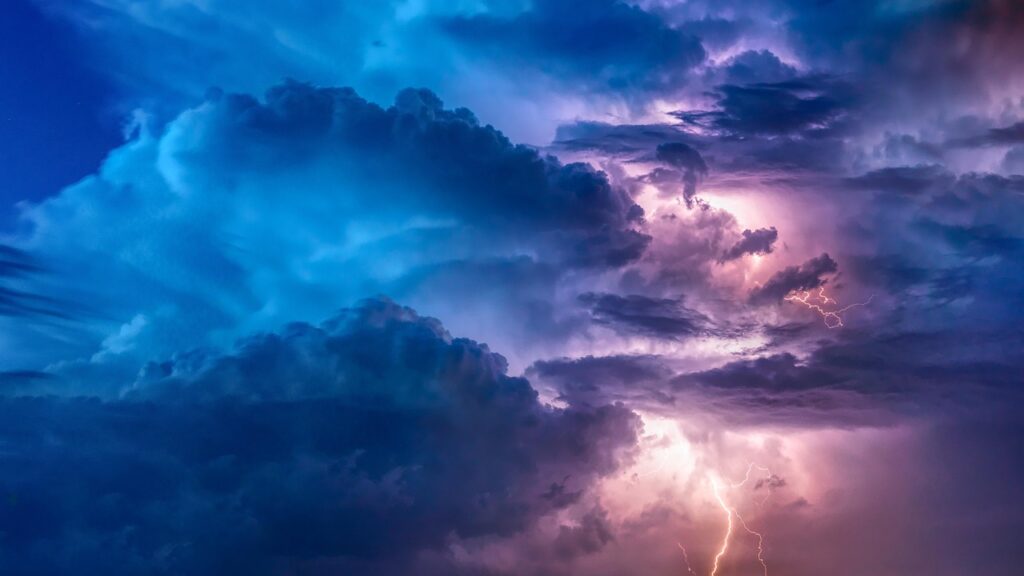

Millions of Americans across the Northeast and Midwest faced significant disruptions to Independence Day celebrations this week as a dual threat of record-breaking heat and violent thunderstorms struck the country. From the Atlantic coast to the Great Lakes, thousands of residents were left without electricity, and local authorities were forced to cancel public fireworks displays and outdoor festivities due to hazardous conditions.
A Nation Under Pressure: The Meteorological Context
The July 4th holiday occurred during a period of intense atmospheric instability, with a massive heat dome settling over the Northeastern United States. According to the National Weather Service, major cities including Philadelphia, New York, and Boston recorded temperatures exceeding 95 degrees Fahrenheit, pushing the electrical grid to its absolute limits.
Simultaneously, a cold front moving across the Midwest collided with this unstable air mass, triggering severe thunderstorms. These storms brought localized wind gusts exceeding 60 miles per hour, resulting in widespread infrastructure damage that complicated holiday travel for millions of commuters.
Infrastructure and Public Safety Challenges
The impact on critical infrastructure was immediate and severe. Utility providers in states such as Ohio, Michigan, and Pennsylvania reported that fallen trees and lightning strikes severed power lines, leaving over 200,000 customers in the dark as of the evening of July 4th.
Transportation networks also suffered significant setbacks. Major regional airports reported flight delays and ground stops as the storm cells moved through, while ground travel was hampered by debris-cluttered roadways and localized flooding in low-lying areas. Municipal governments across the affected regions prioritized public safety, cancelling large-scale outdoor gatherings to prevent injuries from flying debris or heat-related illnesses.
Expert Analysis on Climate Volatility
Meteorologists point to an increasing trend of extreme weather events occurring during peak summer holidays. Data from the National Oceanic and Atmospheric Administration (NOAA) indicates that the frequency of severe convective storms has risen in correlation with shifting climate patterns, which often exacerbate the intensity of summer heat waves.
“We are seeing a convergence of high-pressure systems and moisture-laden fronts that create a volatile environment,” noted one climate researcher. “When these systems interact, the result is often rapid development of severe weather that is difficult to predict with long-term certainty, complicating emergency management and event planning.”
Implications for Future Holiday Planning
The disruptions of this year’s holiday serve as a stark reminder of the vulnerability of modern infrastructure to extreme weather conditions. For the energy sector, the events highlight an urgent need for grid hardening and increased capacity to handle sudden spikes in demand caused by extreme temperatures.
Looking ahead, municipal planners and event organizers are expected to shift their strategies for major public holidays. There is an increasing likelihood of “weather-resilient” event planning, which may include earlier start times to avoid afternoon heat, mandatory contingency indoor venues for public gatherings, and more robust communication protocols for emergency alerts. As the summer season continues, residents in the Northeast and Midwest are advised to monitor local weather services closely, as the potential for rapid atmospheric shifts remains high throughout the remainder of July.