
Major television networks are shifting their Fourth of July programming strategies this year, prioritizing traditional holiday festivities and musical performances over the live coverage of political speeches, including those delivered by former President Donald Trump. As the nation celebrates its Independence Day, broadcast executives are opting for a focus on communal celebrations and entertainment to reach broader, less polarized audiences across the United States.
A Shift in Programming Priorities
For decades, Independence Day broadcasts have served as a mix of patriotic pageantry and public address. However, recent trends indicate that networks are increasingly wary of the divisive nature of political rhetoric during what is traditionally viewed as a unifying national holiday.
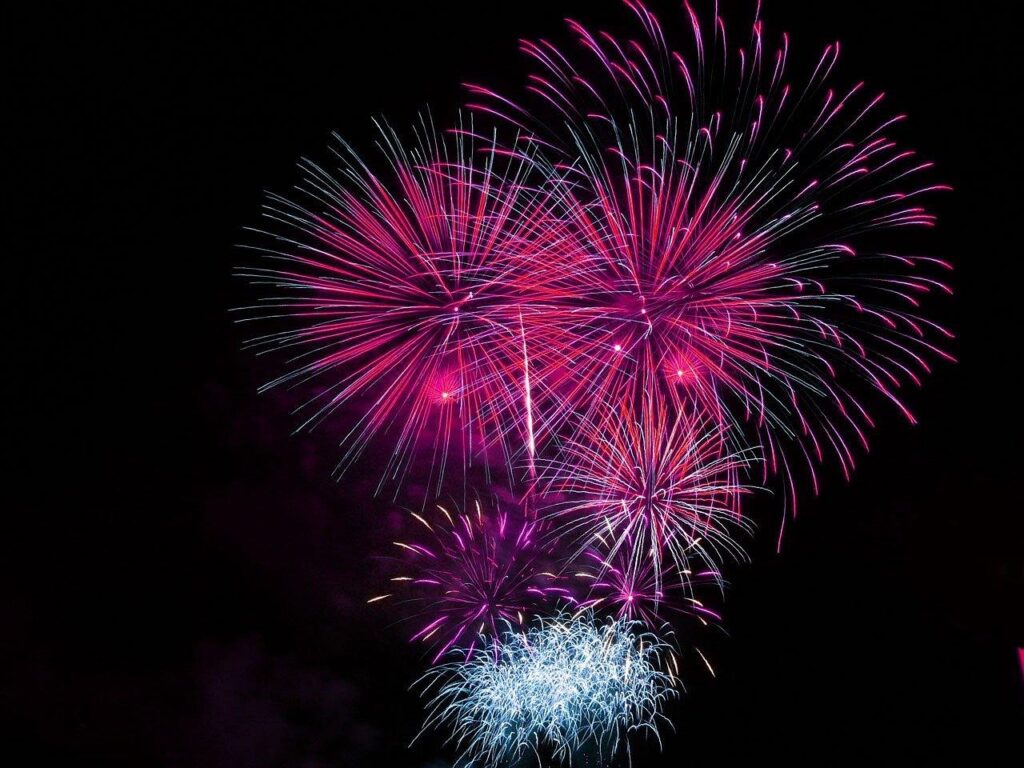
By de-emphasizing political discourse, networks aim to capture the attention of families and casual viewers. Programming schedules now feature fireworks displays, orchestral performances, and historical tributes rather than live political rallies or partisan speeches.
The Evolution of Holiday Media Consumption
The decision to pivot away from political coverage follows several years of heightened media scrutiny regarding the tone of public discourse. Media analysts suggest that viewers are experiencing “political fatigue,” leading networks to prioritize content that offers escapism and shared cultural experiences.
Data from recent Nielsen ratings suggest that holiday-themed entertainment programs consistently outperform political segments in terms of viewership longevity. Networks are leveraging this data to maximize advertising revenue during the high-traffic holiday window.
Industry Perspectives and Audience Engagement
Industry experts note that this transition is a calculated business move rather than a purely editorial one. “Networks are in the business of maximizing reach, and political content often alienates significant portions of the demographic,” says media consultant Sarah Jenkins. “By leaning into the celebratory aspects of the Fourth of July, they provide a product that is inherently more brand-safe for advertisers.”
While some critics argue that the omission of political speeches limits public access to important discourse, others maintain that the Fourth of July should remain a neutral space. The focus remains on the spectacle of the holiday, with production budgets heavily weighted toward high-definition coverage of firework displays and live concerts.
Looking Ahead: The Future of Patriotic Programming
As networks continue to refine their holiday strategies, the trend toward non-political, entertainment-heavy programming is likely to persist. Media observers will be watching to see if this shift influences how other national holidays, such as Memorial Day or Veterans Day, are covered in future cycles.
The long-term impact on political media visibility remains to be seen. If networks maintain this distance from political rallies during major holidays, politicians may be forced to rely more heavily on social media and digital platforms to reach their base, further fragmenting the media landscape. Future coverage will likely depend on whether audience engagement metrics confirm that viewers prefer a strictly celebratory tone during national milestones.