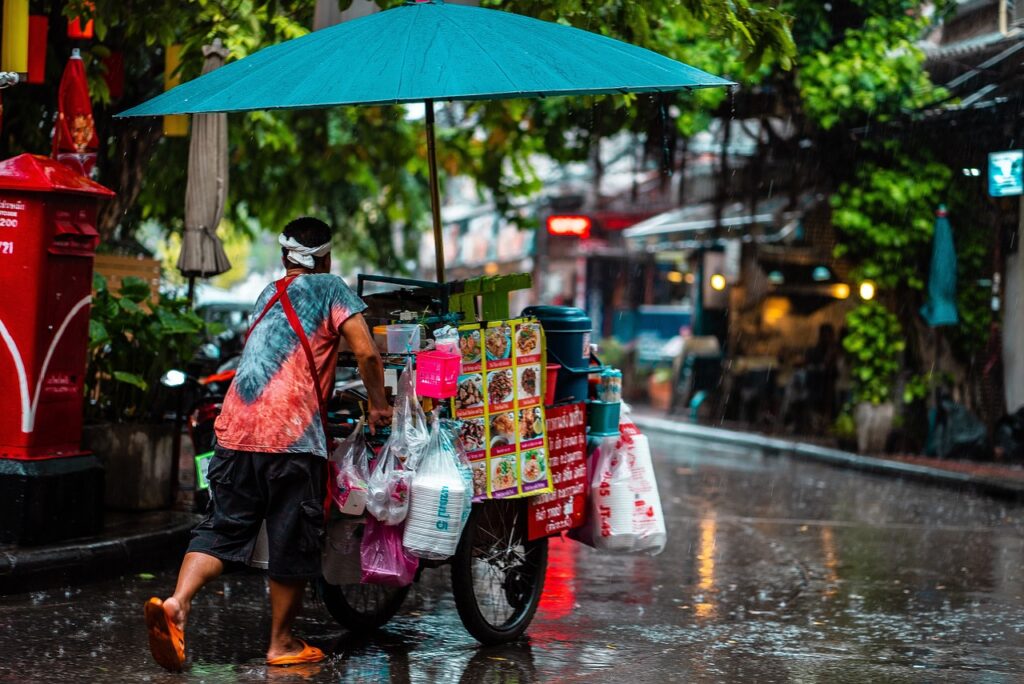

In the rapidly expanding corridors of North Bengaluru, specifically the Hennur and Kothanur neighborhoods, the traditional late-night street food landscape is undergoing a significant transformation. Once dominated exclusively by thattukadas—small, mobile carts serving local staples like dosa and biryani—the area now hosts a diverse array of global cuisines and modern dining concepts driven by a shift in demographics and consumer demand.
The Legacy of the Thattukada
For decades, the thattukada culture served as the heartbeat of Bengaluru’s nocturnal economy, offering affordable, fresh, and accessible meals to laborers, students, and night-shift workers. These stalls, defined by their simplicity and efficiency, became local institutions where the aroma of spiced curries and the sizzle of batter on hot plates signaled the late-night social life of the city.
As urban sprawl pushed the city’s boundaries further north, the region transitioned from a quiet peripheral zone to a bustling residential and commercial hub. This demographic shift, fueled by the influx of IT professionals and families from across India, has necessitated a change in the food ecosystem to match the evolving palates of its new residents.
A Diversifying Palate
The current landscape in Hennur and Kothanur now features a blend of the old and the new. While the traditional thattukadas remain, they are increasingly sharing street space with specialized kiosks serving momos, shawarmas, wood-fired pizzas, and artisanal coffee.
Market analysts note that the rise of delivery platforms has further accelerated this trend. According to recent industry reports, food delivery penetration in North Bengaluru has increased by 30% over the last three years, prompting street vendors to adapt their menus to include more portable, fusion-style offerings that appeal to a younger, tech-savvy audience.
The Impact of Urbanization
Experts suggest that this transition is a natural byproduct of the