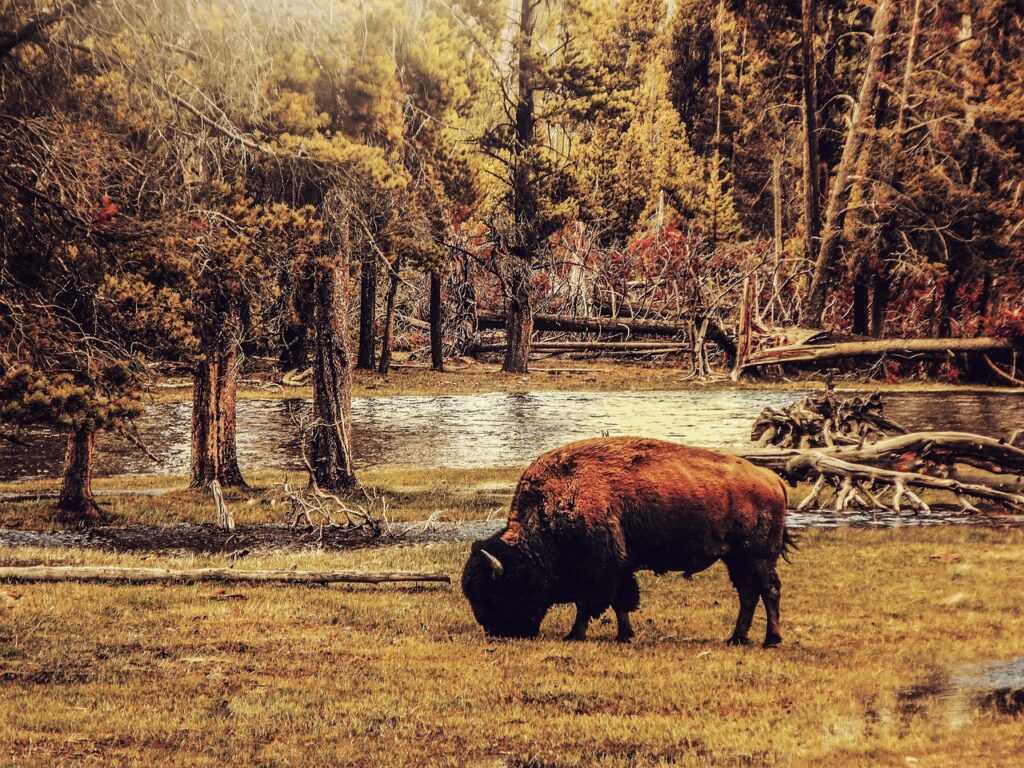

A small, persistent herd of American bison continues to roam the rugged interior of Santa Catalina Island, California, serving as a living relic of a 1924 film production that permanently altered the island’s ecosystem. While these massive grazers are native to the Great Plains, their presence on the island for nearly a century has sparked ongoing debates regarding biodiversity, land management, and the preservation of non-native species in protected environments.
A Cinematic Origin Story
The bison arrived in 1924 when a film crew shooting the movie The Vanishing American brought fourteen animals to the island. When filming concluded, the production company left the bison behind rather than paying the cost of transporting them back to the mainland.
Over the decades, the herd’s population fluctuated significantly, at one point reaching several hundred individuals. Today, the Catalina Island Conservancy manages the population, maintaining a target of approximately 150 animals to balance their impact on the island’s fragile vegetation and limited water resources.
Ecological Impact and Management
The presence of large, heavy-hoofed animals on an island not evolved to support them presents unique environmental challenges. Bison grazing patterns can lead to soil erosion and the displacement of endemic plant species that are found nowhere else on earth.
To mitigate these risks, the Conservancy utilizes a rigorous management program that includes contraceptive measures to control herd growth. This strategy allows the island to maintain the bison as a cultural icon while preventing the overgrazing that previously threatened the island’s native flora.
Expert Perspectives
Conservation biologists often point to the bison as a case study in the complexity of introduced species. While some argue for the complete removal of non-native fauna to restore pristine ecological conditions, others contend that the bison have become an inseparable part of Catalina’s cultural identity.
Data from the Catalina Island Conservancy indicates that the current herd size is manageable and does not pose an immediate existential threat to the island’s biodiversity. By monitoring vegetation health and utilizing strategic fencing, managers have successfully integrated the herd into the island’s modern conservation plan.
Future Implications
As the climate changes, the island’s water scarcity issues may force a re-evaluation of how many large mammals the land can support. Observers should look for future technological interventions in population management, such as advanced reproductive control methods, which could become a model for other island ecosystems managing introduced species worldwide.
The long-term survival of the herd remains a delicate balancing act between historical legacy and environmental stewardship. Monitoring the interaction between the bison and the island’s native scrubland will remain a priority for researchers as they seek to preserve the integrity of the island’s unique biological heritage.