
An Unlikely Population on the Pacific Coast
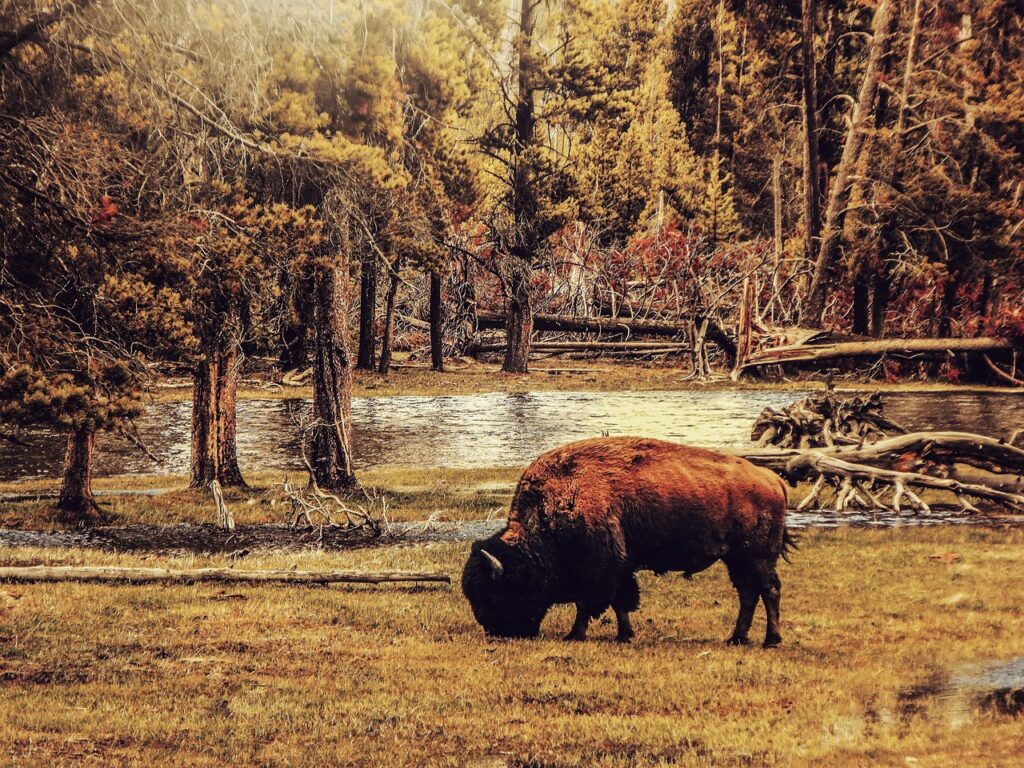
A herd of approximately 150 American bison continues to roam the rugged interior of Catalina Island, California, more than a century after their accidental introduction to the landscape. Managed by the Catalina Island Conservancy, these massive mammals have become an iconic, albeit controversial, fixture of the island’s ecosystem, drawing thousands of tourists annually to witness a species far removed from its native Great Plains habitat.
Historical Origins of the Island Herd
The presence of bison on Catalina Island dates back to 1924, when a film crew brought 14 bison to the island for the production of a Western movie. After filming concluded, the production team opted to leave the animals behind rather than incur the high costs of transporting them back to the mainland.
Over the decades, the herd fluctuated in size, occasionally causing concern for local authorities regarding overgrazing and habitat degradation. In the early 2000s, the Catalina Island Conservancy implemented a formal management program to stabilize the population, which included transporting excess bison back to the Great Plains to join tribal herds.
Ecological Impact and Management Challenges
Managing a non-native species on a protected island requires a delicate balance between ecological preservation and public interest. Bison are not native to the California chaparral, and their grazing patterns can significantly alter the island’s vegetation, often threatening endemic plant species that are found nowhere else on earth.
The Conservancy currently uses a combination of scientific monitoring and controlled relocation to keep the herd size between 150 and 200 individuals. This strategy aims to provide a sustainable population that minimizes damage to the island’s fragile ecosystem while maintaining the tourist appeal that supports the local economy.
Expert Perspectives on Species Conservation
Wildlife biologists emphasize that while the Catalina bison are an anomaly, they provide a unique case study in island management. According to data from the Catalina Island Conservancy, the herd is now genetically managed to prevent inbreeding, ensuring the long-term health of the animals despite their isolation from mainland populations.