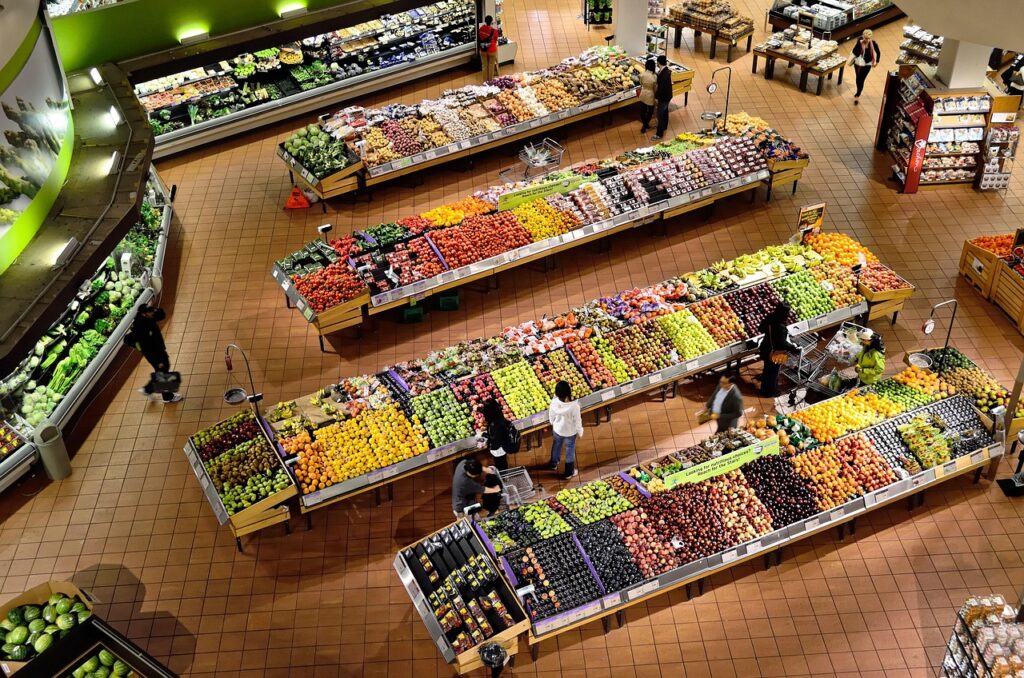

Walmart, the nation’s largest retailer, announced this week that it is implementing sweeping price cuts across several key categories, including beef, fresh produce, seasonal beverages, and outdoor living supplies. The retail giant confirmed the move to lower costs on essentials and summer merchandise, prompting immediate public commentary from former President Donald Trump, who claimed credit for the shift during a recent campaign appearance. The adjustments, which are currently rolling out at stores nationwide, arrive as consumers continue to navigate persistent inflationary pressures and shifting household budgets.
Understanding the Retail Strategy
The decision to lower prices is a standard operational tactic for Walmart, which frequently adjusts its pricing models based on supply chain costs, inventory levels, and consumer demand. By targeting high-frequency items like beef and produce, the company aims to solidify its position as a value-driven destination during a period of economic uncertainty.
Historically, large-scale retailers often utilize ‘rollbacks’—a specific discount strategy—to drive foot traffic and increase market share. Data from the Bureau of Labor Statistics indicates that while headline inflation has cooled from its 2022 peaks, food-at-home prices remain elevated compared to pre-pandemic baselines, making price sensitivity a primary driver for American shoppers.
Political Discourse and Economic Reality
The intersection of corporate retail strategy and political rhetoric has become increasingly prominent in the current election cycle. During a recent rally, Donald Trump suggested that his influence and economic platform were catalysts for the price reductions seen at major chains. However, economists note that retail pricing is dictated by complex global logistics, commodity costs, and corporate profit targets rather than individual political influence.
Retail analysts point out that Walmart’s move is a response to competitive pressures from other discount grocers and a strategic effort to clear out seasonal inventory, such as grills and summer clothing, before the transition to fall product lines. The retailer’s ability to leverage its massive purchasing power allows it to absorb certain costs that smaller competitors cannot, effectively using lower prices as a tool for customer loyalty.
Economic Implications for the Consumer
For the average consumer, these price cuts represent a tangible, if localized, relief from the daily costs of living. The inclusion of beef and fresh produce is particularly significant, as these items are often the most sensitive to inflationary spikes and represent a large portion of the average family’s grocery budget.
Industry experts suggest that this trend of selective price cutting may spread to other major retailers if Walmart’s strategy proves successful in boosting transaction volumes. As retailers compete for a share of the constrained consumer wallet, the battle for price-conscious shoppers is expected to intensify throughout the remainder of the fiscal year.
Future Outlook and Market Monitoring
Market watchers are now tracking whether these price cuts will lead to a sustained downward trend in grocery inflation or if they are merely a temporary promotional cycle. The next quarterly earnings reports from major retailers will be critical in determining if margins are being sacrificed to maintain market share or if supply chain efficiencies are finally yielding lower costs for the end consumer. Investors and analysts will continue to monitor how consumer spending patterns respond to these discounts, particularly as the back-to-school and holiday shopping seasons approach.