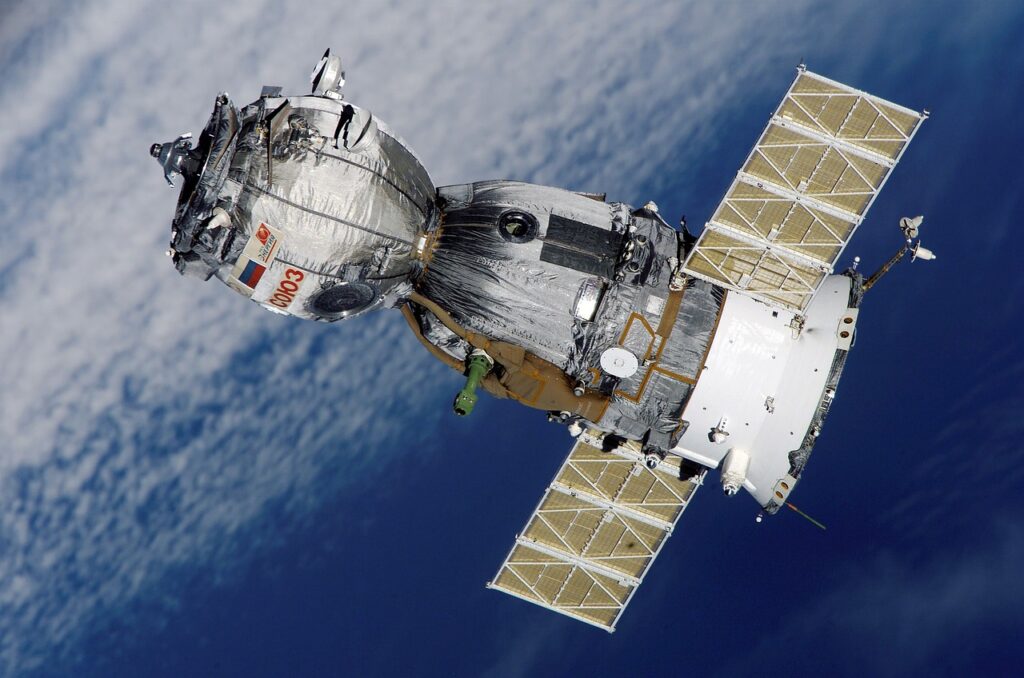

Mission Drishti, the world’s first privately developed OptoSAR satellite, has ceased all communication with ground control following a catastrophic encounter with a severe solar storm on May 10, 2026. The satellite, operated by an Indian aerospace firm, was launched into a polar orbit just one week earlier on May 3, 2026, aboard a SpaceX Falcon 9 rocket from Vandenberg Space Force Base in California.
Understanding the OptoSAR Technology
Mission Drishti represented a significant leap in Earth observation technology by integrating optical imaging with Synthetic Aperture Radar (SAR) on a single compact platform. This dual-sensor architecture was designed to provide high-resolution imagery regardless of cloud cover, smoke, or lighting conditions.
The integration of these two distinct technologies into a small-satellite form factor has been a long-standing challenge in the aerospace industry. By combining visual clarity with radar-based terrain mapping, the mission aimed to revolutionize real-time disaster management and agricultural monitoring for commercial clients.
The Impact of Space Weather
Geomagnetic storms, triggered by coronal mass ejections from the sun, are known to pose significant risks to orbital assets. When high-energy particles collide with Earth’s magnetosphere, they can induce electrical currents in satellite circuitry and lead to atmospheric drag that shifts a satellite’s trajectory.
Space weather experts at the National Oceanic and Atmospheric Administration (NOAA) had issued a G4-class geomagnetic storm warning for the weekend of May 9. While most modern satellites are shielded against standard radiation, the intensity of this specific event exceeded historical norms for satellites in low Earth orbit.
Operational Challenges and Recovery Efforts
Engineers from the Indian aerospace firm confirmed that the satellite entered a ‘safe mode’ shortly after the solar flare hit, but subsequent attempts to re-establish a stable telemetry link have failed. Current data suggests that the onboard power management system may have sustained irreparable damage.
Industry analysts note that the loss of a pioneer mission is a common, if unfortunate, reality in the high-stakes sector of private satellite development. The failure highlights the ongoing vulnerability of private commercial infrastructure to unpredictable space weather events that remain difficult to mitigate entirely.
Broader Industry Implications
The loss of Mission Drishti serves as a stark reminder of the financial risks inherent in the rapidly expanding NewSpace economy. As more private entities deploy constellations of small satellites, the ability to harden electronics against solar radiation has become a critical competitive advantage.
Investors and insurers are likely to reassess premiums for future low Earth orbit missions in light of this event. The focus for the industry now shifts toward developing more resilient shielding materials and autonomous recovery protocols that can activate faster than a human-operated ground command.
Looking ahead, the aerospace community will closely monitor telemetry data from other satellites currently in the same orbital plane to determine if this was an isolated hardware failure or a systemic vulnerability. Further investigations are expected to shape the design requirements for the next generation of OptoSAR platforms slated for launch later this year.