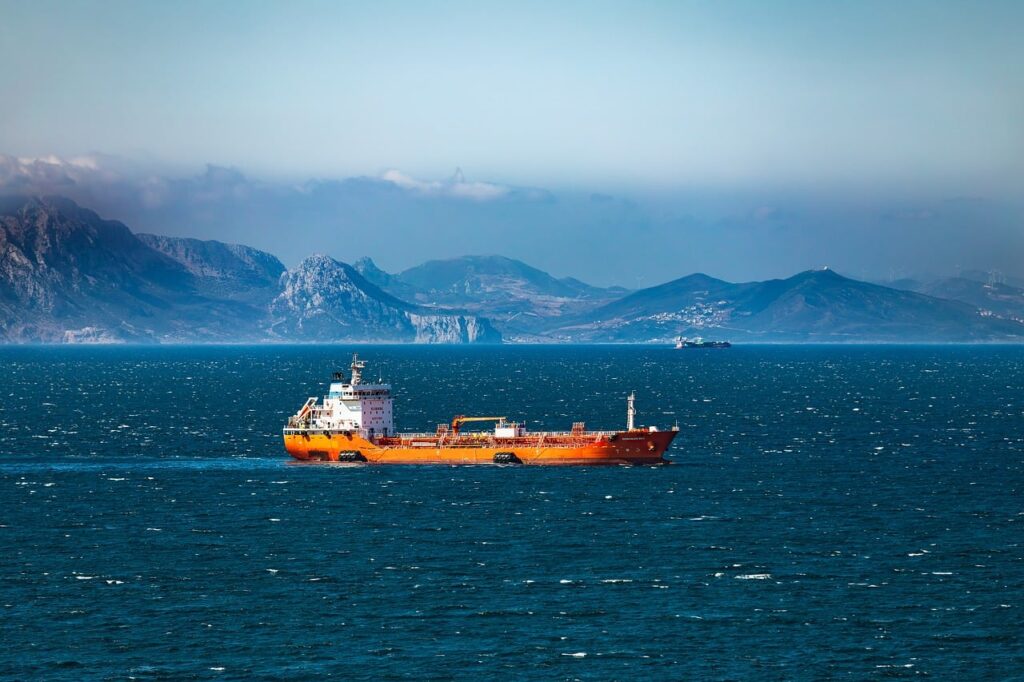

A U.S. official confirmed that Iranian missiles struck two commercial ships in the Strait of Hormuz on Tuesday, marking a significant escalation that threatens the fragile cease-fire between Washington and Tehran. The incident, which occurred in one of the world’s most vital maritime chokepoints, has prompted immediate concerns regarding global energy security and the potential for a wider regional conflict.
The Strategic Significance of the Strait
The Strait of Hormuz serves as the primary artery for global oil transit, with roughly one-fifth of the world’s petroleum consumption passing through its narrow waters daily. Historically, the region has served as a volatile theater for proxy conflicts and geopolitical posturing between Iran and Western powers.
This latest development arrives after months of relative diplomatic calm, following back-channel negotiations aimed at de-escalating military maneuvers in the Persian Gulf. The strike represents a departure from recent trends, which had seen a period of restraint from both Iranian naval forces and U.S. Fifth Fleet patrols.
Details of the Maritime Strike
According to U.S. Central Command, the missiles were launched from Iranian coastal batteries, targeting commercial vessels transiting international waters. While both ships sustained structural damage, there were no reported casualties among the crews, and both vessels remain seaworthy.
Iranian officials have yet to issue a formal statement regarding the incident, maintaining a tactical silence that analysts suggest may be intended to keep Western intelligence guessing about the strategic objectives behind the strike. The silence contrasts sharply with previous incidents, where Iranian state media often issued warnings or justifications for naval maneuvers in the region.
Expert Perspectives on Regional Escalation
Defense analysts suggest that the strikes may be a calculated move to gain leverage in ongoing nuclear non-proliferation talks. “This is a signaling mechanism,” says Dr. Elena Vance, a senior maritime security fellow at the Atlantic Institute. “By hitting commercial assets, Tehran is demonstrating its ability to disrupt the global economy without resorting to a direct, full-scale military confrontation that would trigger a massive U.S. response.”
Data from the International Maritime Bureau indicates that while commercial traffic in the region has remained steady throughout the year, insurance premiums for tankers operating in the Strait have surged by 15% in the last 24 hours. The market reaction underscores the vulnerability of the global supply chain to even minor military provocations in the region.
Global Economic and Diplomatic Implications
For the shipping industry, these events necessitate a re-evaluation of security protocols for commercial vessels. Major maritime insurers are now discussing the implementation of mandatory security escorts for tankers entering the Persian Gulf, a move that would significantly increase the cost of doing business in the region.
Diplomatically, the Biden administration faces renewed pressure to respond with force, though officials have signaled a preference for diplomatic channels. The challenge lies in balancing a deterrence strategy with the need to prevent a total collapse of the existing cease-fire agreements.
Future Outlook and Monitoring
Observers are closely watching for any movement of Iranian naval assets in the coming days, which would signal whether this was an isolated event or the start of a sustained campaign. The U.S. Department of Defense is expected to increase its presence in the Gulf, potentially deploying additional carrier strike groups to provide air cover for commercial traffic. Markets will remain on edge, tracking daily oil price fluctuations as a barometer for how investors perceive the risk of a broader conflict in the Middle East.