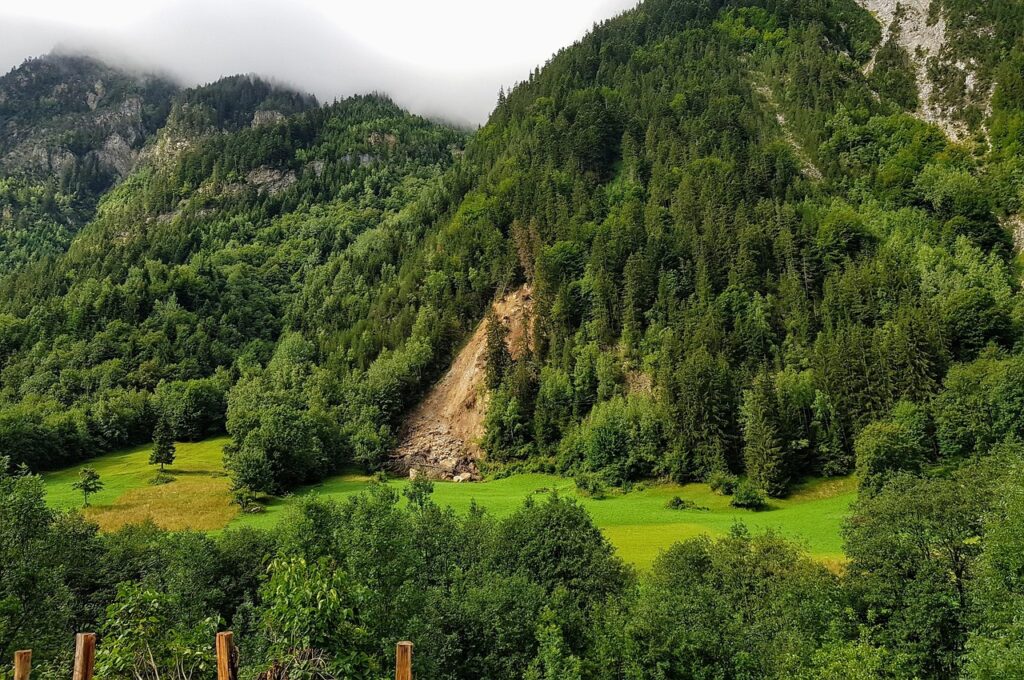

Widespread Destruction Across Arunachal Pradesh
Heavy monsoon rains have triggered catastrophic floods and landslides across several districts in Arunachal Pradesh this week, leaving local infrastructure severely damaged and communities isolated. According to the State Emergency Operations Centre (SEOC), the district of Upper Siang has emerged as the worst-hit region, while significant damage has also been reported in Siang and Kra-Daadi districts.
The current crisis follows a period of intense, sustained precipitation that has overwhelmed the region’s fragile mountainous terrain. Local authorities have confirmed that Upper Siang alone recorded landslides at 16 distinct locations, effectively severing vital road connectivity for numerous remote villages.
Understanding the Regional Vulnerability
Arunachal Pradesh, situated in the Eastern Himalayas, is inherently prone to geological instability due to its steep topography and high seismic activity. During the monsoon season, the state frequently faces the dual threats of flash floods from overflowing river systems and soil displacement caused by intense rainfall.
The SEOC maintains a constant vigil throughout the monsoon months to coordinate disaster response efforts. However, the sheer scale of the recent geological events has tested the limits of current emergency infrastructure, particularly in high-altitude zones where terrain accessibility remains a critical hurdle.
Operational Challenges and Relief Efforts
Disaster management teams are currently focusing on clearing debris from major arterial roads to facilitate the movement of essential supplies. The destruction in Upper Siang has been particularly complex, as persistent instability in the slopes has hampered the work of heavy machinery and cleanup crews.
District officials in Siang and Kra-Daadi are conducting damage assessments to determine the number of displaced residents and the extent of agricultural losses. Reports indicate that several bridges and smaller rural roads have been washed away, complicating the delivery of medical aid and food security resources to the most affected populations.
Expert Perspectives on Climate Trends
Meteorological experts note that the intensity of rainfall in the Northeast has become increasingly erratic over the past decade. Data from the India Meteorological Department (IMD) suggests that shorter, high-intensity bursts of rain are becoming more common, which significantly increases the risk of slope failure in mountainous regions compared to longer, lighter rain events.
Geologists emphasize that the combination of deforestation and unplanned infrastructure expansion in these sensitive ecosystems exacerbates the impact of these natural events. While the state government has implemented various slope-stabilization projects, the frequency of these events continues to outpace current mitigation strategies.
Future Implications and Regional Outlook
For the residents of Arunachal Pradesh, this week’s events underscore the urgent need for enhanced disaster-resilient infrastructure. The immediate priority for the state government remains the restoration of connectivity, but long-term planning must now account for more frequent and severe weather patterns.
Observers should watch for upcoming government announcements regarding increased funding for early warning systems and more robust slope-protection engineering. As the monsoon season continues, the stability of the soil in affected districts will remain a critical metric for public safety, with authorities likely to maintain high-alert status for potential follow-up landslides in the coming weeks.