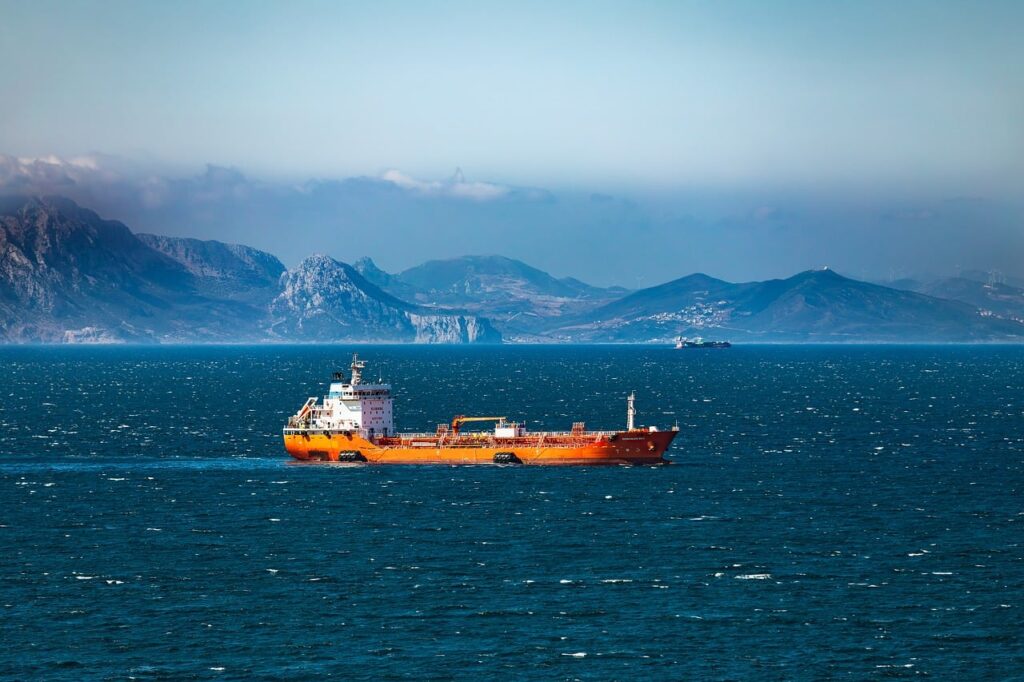

The United States military launched precision strikes against Iranian-linked targets on Tuesday, marking a significant escalation in response to a series of aggressive maneuvers against commercial vessels in the Strait of Hormuz. The military action, confirmed by U.S. Central Command, coincides with the arrival of global heads of state in Turkey for the annual NATO summit, placing regional security and maritime stability at the center of international diplomatic discourse.
Context of the Escalation
The Strait of Hormuz serves as a critical global artery, with approximately 20% of the world’s petroleum consumption passing through its narrow waters daily. Over the past several months, the U.S. and its regional allies have documented an increase in harassment and illegal seizures of merchant ships by Iranian naval forces.
This pattern of disruption has prompted the U.S. to bolster its naval presence in the Persian Gulf. Defense analysts suggest the latest strikes were calibrated to deter further interference with international shipping lanes while attempting to avoid a broader regional conflict.
Military and Diplomatic Tensions
U.S. Central Command stated that the strikes targeted facilities directly involved in supporting the maritime attacks. The operation utilized precision-guided munitions to minimize collateral damage, aiming to degrade the specific infrastructure utilized to coordinate threats against commercial tankers.
Simultaneously, the NATO summit in Turkey has shifted from its original agenda to prioritize the unfolding crisis. Leaders are now tasked with formulating a unified response to Iran’s maritime posture, which many member states view as a direct threat to global energy security and economic stability.
Expert Perspectives
Security experts note that the timing of the U.S. military response is deliberate. By acting while NATO leadership is physically assembled, the Biden administration is reinforcing the alliance’s commitment to collective security in the Middle East.
“The U.S. is signaling that it will not tolerate the weaponization of global trade routes,” said Dr. Elena Vance, a senior fellow at the Center for Strategic and International Studies. Data from the International Maritime Bureau indicates that incidents of vessel harassment in the region have spiked by 35% compared to the previous fiscal year, underscoring the urgency of the current tactical shift.
Implications for Global Markets
The immediate impact of these hostilities is being felt in global energy markets, where crude oil prices experienced a sudden uptick following the announcement of the strikes. Businesses that rely on the Strait of Hormuz for supply chain logistics are bracing for increased insurance premiums and potential rerouting costs.
For the diplomatic community, the coming days will be defined by the delicate balance between maintaining a firm deterrent stance and preventing a full-scale regional war. Observers are now watching for Tehran’s potential counter-response, which could range from asymmetric cyberattacks to further naval posturing in the Gulf.
The next 48 hours will be critical as NATO members deliberate on a formal joint statement. Analysts advise monitoring the frequency of naval patrols in the Strait of Hormuz, as any sustained increase in military presence could signal a prolonged period of instability in the region.