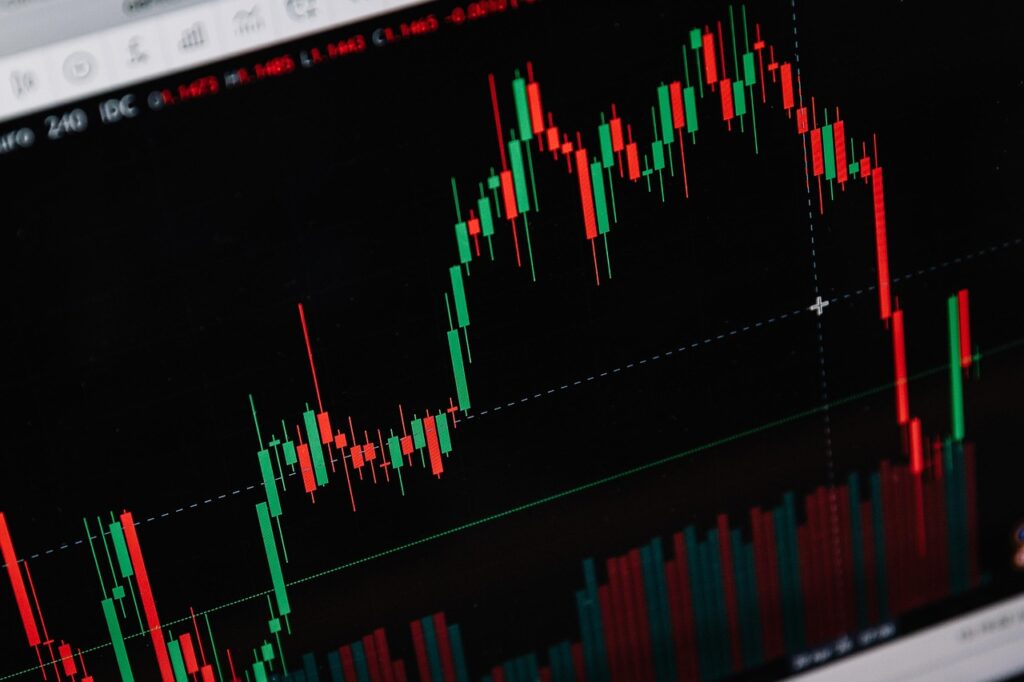

Global equity markets faced significant downward pressure in early trading on July 8, driven by a sharp escalation in geopolitical tensions between the United States and Iran. The sudden instability in the Middle East fueled a rapid spike in crude oil prices, forcing investors to pivot away from riskier assets and triggering a broad sell-off across major indices.
The Context of Market Volatility
Geopolitical friction has historically served as a primary catalyst for market instability, particularly when it threatens energy supply chains. When crude oil prices surge due to potential conflict, inflation expectations rise, leading investors to fear that central banks may be forced to maintain higher interest rates for longer periods to combat rising energy costs.
This latest downturn follows a period of cautious optimism, where markets had been reacting to positive corporate earnings and stabilized economic data. The sudden shift underscores the vulnerability of current valuations to external shocks that remain outside the direct control of monetary policymakers.
Market Dynamics and Investor Behavior
Despite the broader market decline, data from the Indian stock exchanges reveals a nuanced picture of institutional activity. On July 7, Foreign Institutional Investors (FIIs) remained net buyers, purchasing equities worth ₹393.19 crore.
This disconnect between institutional buying and the immediate market dip suggests that while some long-term investors continue to see value in the underlying fundamentals, the short-term algorithmic trading and retail sentiment are reacting sharply to the headlines regarding the U.S.-Iran situation. Analysts note that high-frequency trading platforms often amplify market swings during the first hour of trade, reacting to news feeds before human traders can adjust their strategies.
Expert Perspectives on Energy Markets
Energy analysts warn that the spike in crude oil is not merely a psychological reaction but a reflection of supply chain anxiety. Any disruption in the Strait of Hormuz, a critical maritime chokepoint, could lead to a sustained increase in global oil prices, impacting everything from logistics costs to consumer discretionary spending.
“The market is currently pricing in a worst-case scenario,” says a senior market strategist. “Until there is clarity on diplomatic channels, volatility will likely remain the baseline for the energy and equity sectors alike.”
Implications for the Future
For investors, the immediate future hinges on the cooling of rhetoric between Washington and Tehran. If the situation de-escalates, markets may recover quickly as the focus shifts back to quarterly earnings reports and central bank policy meetings.
However, if the tension persists, analysts anticipate a sustained rotation into defensive sectors such as utilities and consumer staples, as investors seek to hedge against the volatility. Observers should keep a close watch on crude oil futures and official statements from both governments, as these will serve as the primary indicators for market sentiment in the coming trading sessions.