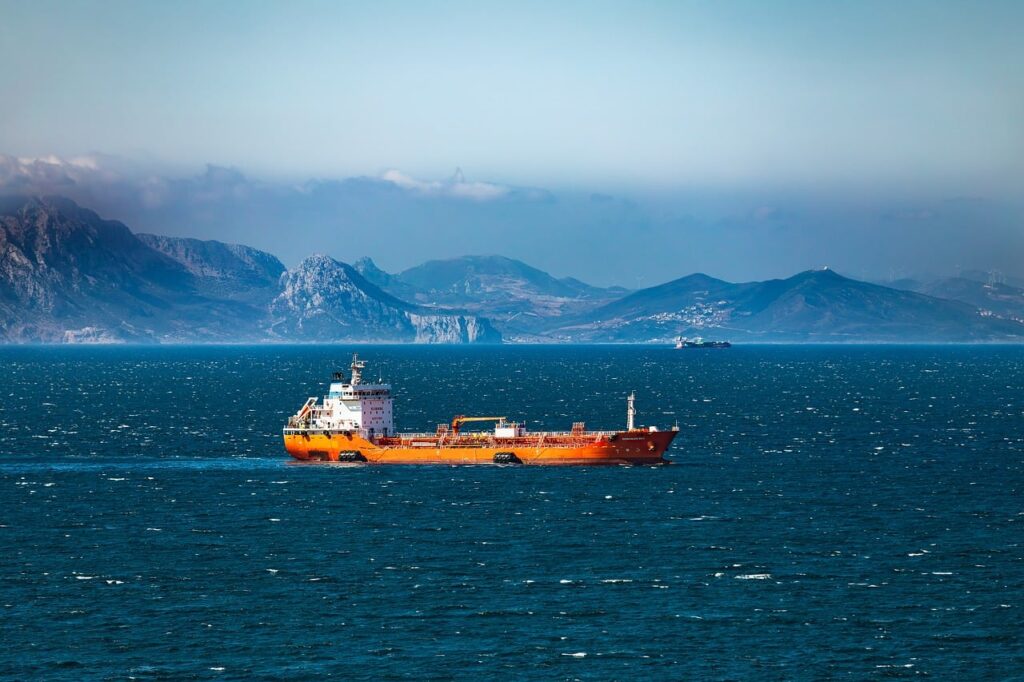

The Trump administration officially rescinded a critical waiver on Monday that previously permitted specific nations to purchase Iranian oil, a move triggered by a series of targeted attacks on commercial tankers in the Strait of Hormuz. The decision, aimed at further crippling the Iranian regime’s primary revenue stream, marks a significant escalation in U.S. economic pressure as tensions in the Middle East reach a critical inflection point.
Context of the Sanctions Regime
This decision follows the U.S. withdrawal from the Joint Comprehensive Plan of Action (JCPOA) in 2018, which reinstated sweeping sanctions on Iran’s energy sector. To prevent global oil price spikes, the U.S. had originally granted temporary waivers to eight major importers, including China, India, and Japan, allowing them to continue purchasing reduced volumes of Iranian crude.
As these waivers expired, the administration chose not to renew them, signaling a shift toward a policy of “maximum pressure.” The recent aggression against maritime traffic in the Strait of Hormuz—a vital chokepoint through which approximately 20% of the world’s petroleum passes—has served as the primary catalyst for the administration’s refusal to extend these exemptions.
Escalating Maritime Tensions
The attacks on the three tankers have raised alarms among international shipping firms and global energy markets. Security analysts suggest that the incidents serve as a demonstration of Iran’s capacity to disrupt global supply chains if its economic survival remains under threat.
“The maritime environment in the Strait of Hormuz has become increasingly volatile,” noted an analyst from the Center for Strategic and International Studies. “By targeting commercial vessels, the Iranian military is signaling that if they cannot export their oil, the global market will feel the logistical consequences.”
Economic and Geopolitical Impact
The decision to end the waivers creates immediate uncertainty for global oil markets. While the U.S. has encouraged allies to source crude from other producers like Saudi Arabia and the United Arab Emirates, supply chain experts warn that replacing the volume of Iranian oil could lead to short-term volatility in gasoline prices.
Data from the International Energy Agency indicates that Iranian crude exports have already dropped significantly since the initial sanctions were imposed. The total removal of these barrels from the global market is expected to tighten supply, potentially forcing importers to seek more expensive alternatives or face U.S. secondary sanctions.
Looking Ahead
Market observers are now closely monitoring how major importers respond to the termination of these waivers. If countries like China continue to purchase Iranian oil in defiance of U.S. policy, it could trigger a new round of diplomatic friction and potential sanctions against foreign banking institutions.
Industry experts are also watching for any further escalations at sea, as the U.S. Navy has increased its presence in the region to ensure freedom of navigation. The coming months will determine whether the strategy of total economic isolation will force a change in Iranian policy or lead to a protracted period of regional instability.