
International Teams Join Venezuela Search Operations
International search-and-rescue teams from Virginia and California arrived in Venezuela on Thursday, joining a desperate, time-sensitive operation to locate survivors trapped under the rubble of catastrophic earthquakes that struck the region nearly 72 hours ago. As the critical 72-hour window for finding survivors begins to close, local authorities and foreign specialists are working in coordination to navigate the destruction left by the tectonic tremors.
The Context of the Seismic Crisis
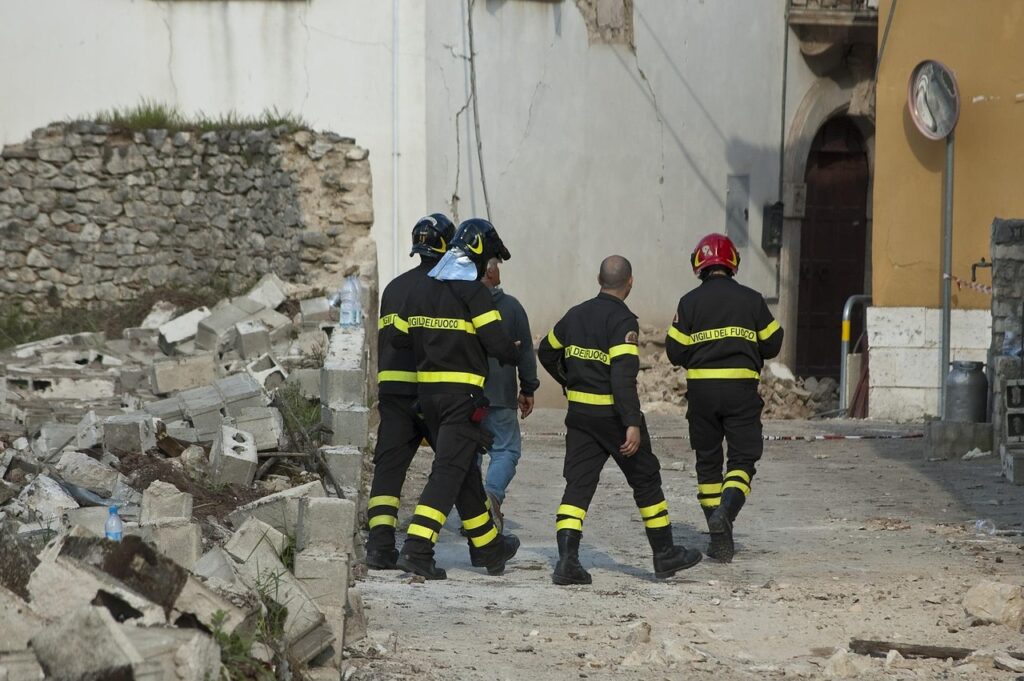
Venezuela, which sits near the boundary of the Caribbean and South American plates, is no stranger to seismic activity, though the intensity of this recent event has overwhelmed local emergency response capabilities. The initial tremors triggered widespread structural collapses across urban centers, cutting off power, communications, and access to essential infrastructure. Local first responders were the first to arrive at the scenes, but the scale of the devastation necessitated the arrival of specialized international teams equipped with heavy lifting gear, thermal imaging, and rescue canines.
Tactical Challenges in the Rubble
The rescue efforts are currently focused on high-density residential areas where multiple buildings suffered total collapse. Search crews are utilizing acoustic sensors and seismic listening devices to detect faint sounds of life beneath tons of concrete and twisted metal. Despite the advanced technology, the physical environment remains hazardous, with unstable debris piles threatening the safety of both rescuers and any potential survivors. Heavy rainfall in the affected sectors has further complicated logistics, turning debris fields into muddy, treacherous terrain that limits the use of heavy machinery.
Expert Analysis and On-the-Ground Data
Disaster management experts emphasize that the next few hours are statistically the most critical for survival, as dehydration and untreated injuries pose a lethal risk to those trapped. According to data from the United Nations Office for the Coordination of Humanitarian Affairs (OCHA), the survival probability for trapped victims drops significantly after the third day. Dr. Elena Rodriguez, a disaster relief analyst, noted that the arrival of specialized crews from the United States provides a necessary boost in technical expertise. “The integration of international teams allows for a rotational shift system, ensuring that the search for survivors continues unabated, 24 hours a day,” she stated.
Implications for Future Disaster Preparedness
The tragedy has reignited national debates regarding building codes and urban planning in earthquake-prone zones across the country. Industry observers suggest that the coming months will likely see a push for stricter regulatory enforcement for new constructions and the retrofitting of older, vulnerable infrastructure. For the international community, this mobilization highlights the ongoing importance of regional disaster response protocols and the efficacy of cross-border cooperation during humanitarian emergencies.
Looking Ahead
As the rescue phase transitions toward recovery, the focus will shift to providing long-term shelter, medical care, and food security for the thousands left homeless by the disaster. International observers will be watching to see how the Venezuelan government manages the transition from search-and-rescue to full-scale humanitarian relief, and whether future infrastructure investments will prioritize seismic resilience to mitigate the impact of inevitable future tremors.