
The Critical Window for Survival
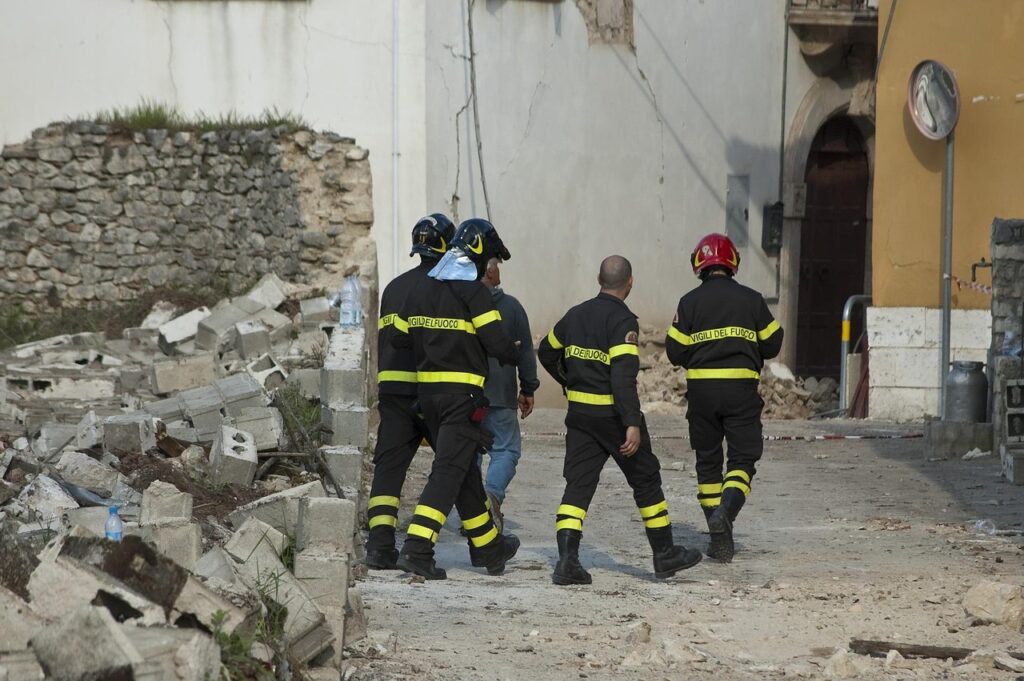
International rescue teams from California and Virginia arrived in Venezuela early this week, joining a desperate, time-sensitive search for survivors following a series of devastating earthquakes that struck the nation nearly 72 hours ago. As the critical 72-hour window for locating trapped victims nears its end, specialized search-and-rescue units are navigating unstable debris and compromised infrastructure to reach remote residential areas.
Understanding the Geological Context
Venezuela sits in a complex tectonic region, influenced by the interaction between the South American and Caribbean plates. While the country experiences seismic activity periodically, the magnitude and shallow depth of these recent tremors have resulted in widespread structural failure across urban centers. The rapid onset of the disaster has overwhelmed local emergency services, necessitating the deployment of global humanitarian aid and technical expertise.
Operational Challenges on the Ground
Rescue operations are currently hindered by severe logistical hurdles, including blocked roadways and intermittent telecommunications. According to reports from the field, heavy machinery is being deployed to clear massive concrete slabs, while K-9 units are working to detect signs of life beneath the rubble. The arrival of the U.S.-based teams brings advanced life-detection technology, such as acoustic sensors and thermal imaging, which are essential for identifying survivors in deep structural voids.
Expert Perspectives and Data
Disaster management experts emphasize that the success of these missions depends heavily on the speed of deployment and the precision of the search. Dr. Elena Rodriguez, a seismic safety consultant, noted that the density of construction materials in affected zones significantly complicates rescue efforts. Data from the United States Geological Survey (USGS) indicates that the aftershocks following the initial quakes have further destabilized damaged buildings, creating a high-risk environment for both victims and rescue personnel.
Industry and Humanitarian Implications
For the humanitarian sector, this event underscores the urgent need for standardized international disaster response protocols and regional seismic preparedness. The reliance on foreign specialized teams highlights gaps in local capacity for deep-trench rescue operations. Industry leaders in urban planning are already calling for a comprehensive review of building codes in the region to ensure future resilience against high-magnitude seismic events.
Future Outlook and Monitoring
As the mission shifts from a search-and-rescue operation to potential recovery, authorities are preparing for the long-term challenges of mass displacement and infrastructure reconstruction. Observers are closely watching how the Venezuelan government manages the coordination of international aid and the subsequent transition to public health and housing stability. The coming days will be pivotal in determining the final casualty count and the scale of the reconstruction effort required to stabilize the affected regions.