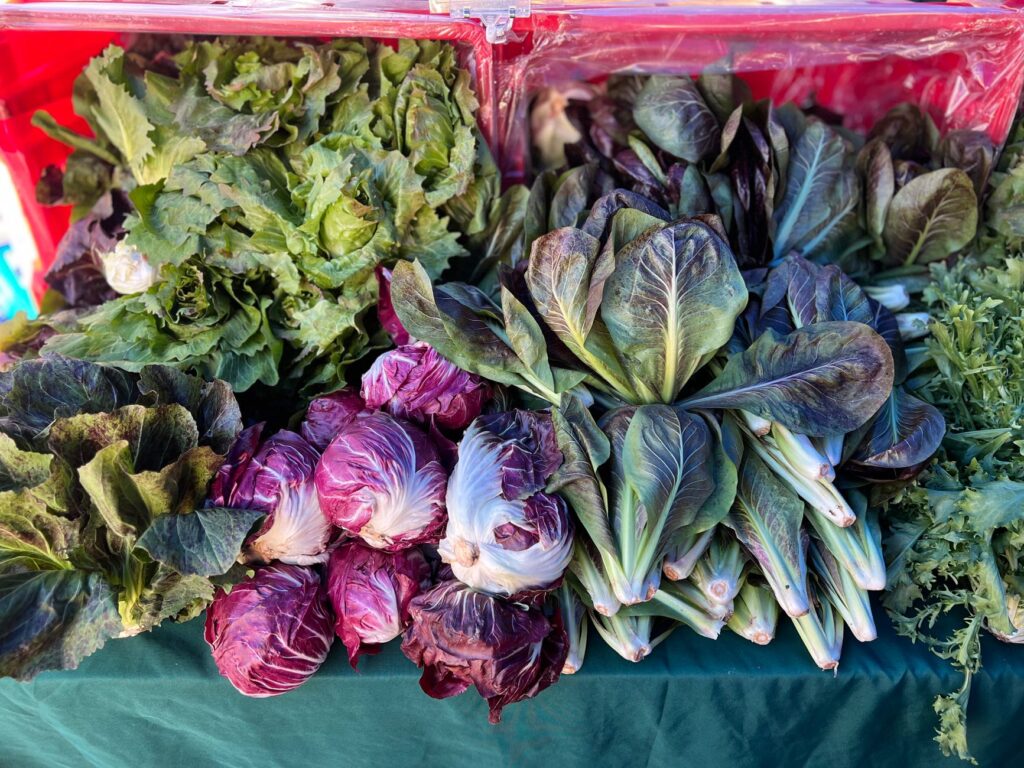

Michigan health officials announced this week that lettuce and salad greens are the primary suspected source of a rapidly expanding Cyclospora outbreak that has already sickened thousands of people across the United States. The preliminary findings, released in coordination with federal health agencies, aim to warn consumers while investigators work to pinpoint the exact origin of the contamination. Although authorities caution that other food items cannot yet be completely ruled out, the statistical link to leafy greens remains the strongest lead in the ongoing multi-state investigation.
Understanding Cyclosporiasis and the Current Outbreak
Cyclospora cayetanensis is a microscopic, single-celled parasite that causes cyclosporiasis, an intestinal illness characterized by watery diarrhea, severe stomach cramps, bloating, fever, and fatigue. Infection typically occurs when individuals ingest food or water contaminated with human feces containing the parasite. Unlike bacterial pathogens, Cyclospora infections often require specific laboratory tests to diagnose, and treatment generally involves a targeted course of antibiotics.
The current outbreak has put federal and state agencies on high alert due to its unusually high geographic spread and rapid transmission rate. The Centers for Disease Control and Prevention (CDC) and the Food and Drug Administration (FDA) have deployed rapid-response teams to assist state health departments in tracking patient histories. Historically, Cyclospora outbreaks in North America have been linked to imported fresh produce, such as raspberries, basil, snow peas, and various types of lettuce.
The Traceback Process and Michigan’s Preliminary Findings
The Michigan Department of Health and Human Services (MDHHS) emerged as a key player in the investigation after detecting a significant, localized spike in infections. Epidemiologists utilized detailed food exposure questionnaires to interview hundreds of patients about their dietary habits in the weeks leading up to their illness. The data revealed an overwhelming statistical correlation between the onset of symptoms and the consumption of pre-packaged salad mixes and loose salad greens purchased at major grocery chains.
Despite these strong preliminary findings, tracing the exact source of fresh produce remains one of the most complex challenges in food safety. Leafy greens from multiple farms are frequently harvested, transported to centralized processing facilities, washed, and blended together into single consumer packages. This consolidation makes it exceedingly difficult for investigators to isolate a single farm, field, or water source without extensive supply chain documentation.
Public health officials are also working against the clock due to the highly perishable nature of the product. By the time a patient feels ill, seeks medical care, and receives a positive diagnosis, the specific batch of lettuce they consumed has typically expired and is no longer available for direct testing. Consequently, investigators must rely heavily on purchase records, loyalty card data, and distribution invoices to reconstruct the path of the contaminated greens.
Expert Analysis and the Limits of Kitchen Sanitation
Food safety experts emphasize that standard consumer practices, such as washing salad greens at home, are often insufficient to eliminate Cyclospora. “The parasite has a sticky outer wall that allows it to cling tightly to the rough surfaces of leafy greens,” explains Dr. Sandra Vance, a food microbiologist specializing in parasitic pathogens. “Standard chemical sanitizers and cold water washes used in commercial facilities and home kitchens cannot reliably kill or remove the oocysts.”
Data from previous outbreaks suggest that agricultural water contamination is the most common vector for introducing the parasite to crops. If irrigation systems or pesticide mixing water are contaminated with human sewage, the parasite can be distributed across entire fields. Experts argue that preventing outbreaks requires stricter oversight at the farm level, particularly regarding the sanitation of water sources and the hygiene facilities provided to agricultural workers.
Industry Implications and What to Watch Next
The preliminary identification of salad greens as the outbreak source is expected to have immediate economic repercussions for the agricultural sector. Retailers may proactively pull certain leafy green products from shelves, and consumer demand for pre-packaged salads is projected to decline as public awareness of the outbreak grows. Distributors are currently reviewing their supply chains to identify which growing regions were active during the contamination window.
Moving forward, investigators will focus their efforts on traceback analysis to identify specific growers, packers, or distributors linked to the illnesses. The FDA is expected to conduct targeted environmental assessments at suspected farms, analyzing soil, water, and wildlife samples for the presence of Cyclospora DNA. Consumers are advised to monitor local health department advisories, consult healthcare providers if they experience persistent gastrointestinal symptoms, and check for potential product recalls in the coming days.