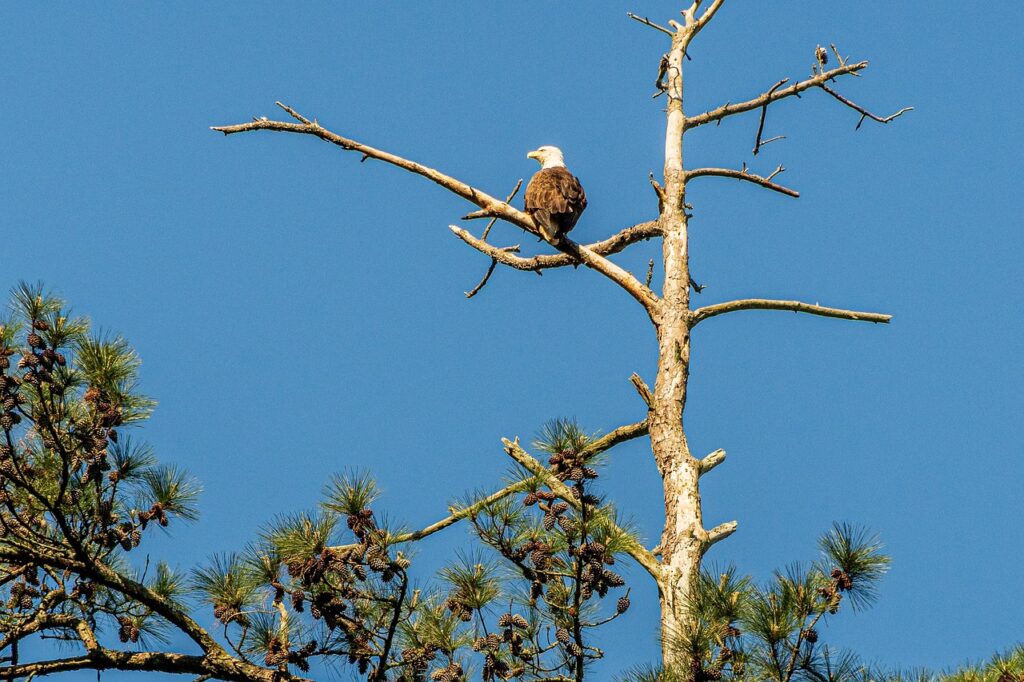

A Symbol Reborn
The bald eagle, an enduring symbol of American sovereignty since its formal adoption on the Great Seal of the United States in 1782, has undergone one of the most remarkable wildlife recoveries in North American history. Following decades of near-extinction caused by environmental toxins and habitat loss, populations have surged across the continent, signaling a successful shift in federal wildlife management and conservation policy.
Historical Context and Conservation Milestones
For much of the 20th century, the bald eagle faced a precarious future. By the early 1960s, scientists estimated that fewer than 500 nesting pairs remained in the lower 48 states, largely due to the widespread use of the pesticide DDT, which thinned eggshells and caused reproductive failure.
The banning of DDT in 1972, coupled with the species’ protection under the Endangered Species Act, provided the necessary legal framework for recovery. In 2007, the U.S. Fish and Wildlife Service officially removed the bald eagle from the federal list of threatened and endangered species, confirming that the population had reached self-sustaining levels.
Current Population Trends and Environmental Impacts
Data from the U.S. Fish and Wildlife Service indicates that the bald eagle population has quadrupled since 2009, with estimates now exceeding 300,000 individuals across the lower 48 states. This rapid growth has been bolstered by the adaptation of eagles to human-altered landscapes, including reservoirs and near-urban waterways.
Wildlife biologists note that while the species has recovered, it continues to face modern challenges. Lead poisoning from ammunition fragments in carrion and the ongoing loss of nesting habitat remain primary concerns for environmental advocates. Furthermore, avian influenza has recently emerged as a new variable that researchers are monitoring to assess long-term population stability.
Perspectives from the Field
Videographers and field researchers, such as Carl Mrozek, have spent years documenting the behavior of these raptors, capturing the intricate details of their nesting rituals and hunting prowess. These visual records provide essential data for scientists tracking migration patterns and territory expansion.
According to the National Audubon Society, the presence of these apex predators serves as an indicator of healthy aquatic ecosystems. Their return to major river systems suggests improved water quality and a robust supply of fish, benefitting both wildlife and the humans who rely on these waterways.
Implications for the Future
The successful recovery of the bald eagle serves as a blueprint for future endangered species management. It demonstrates that targeted legislative intervention and public cooperation can effectively reverse the damage caused by industrial pollutants.
As populations continue to stabilize, observers should watch for how wildlife agencies manage the increased interactions between eagles and human development. Future policy will likely focus on balancing the expansion of renewable energy infrastructure, such as wind turbines, with the protection of critical avian flight paths and nesting sites.