
A Symbol of National Identity
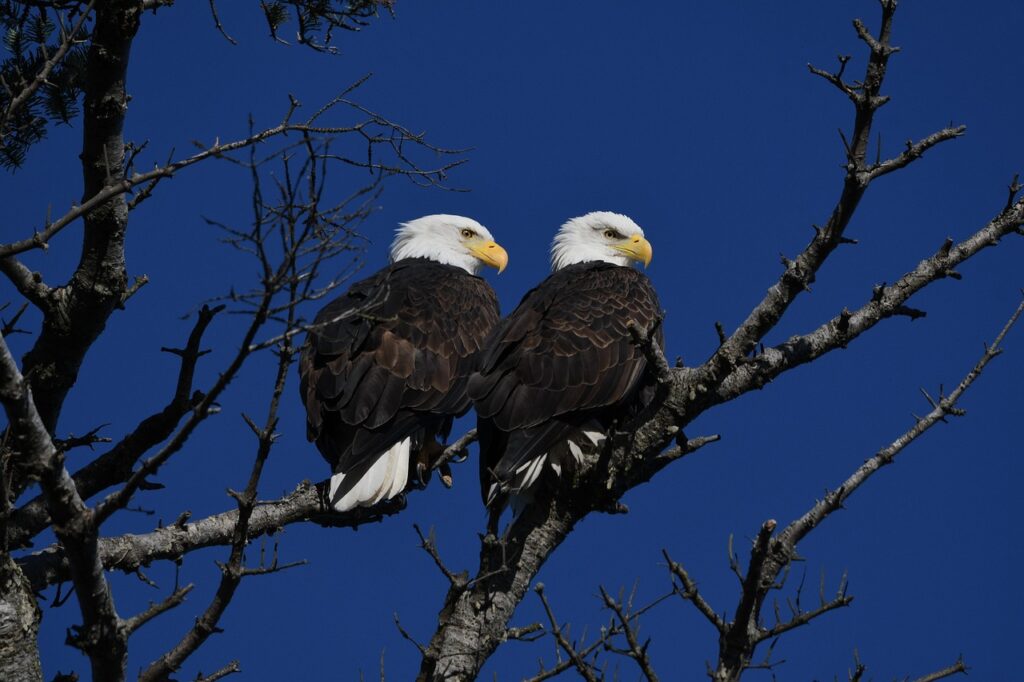
The bald eagle, officially recognized as the national emblem of the United States since 1782, continues to serve as an enduring icon of American sovereignty and natural heritage. Videographer Carl Mrozek recently captured footage highlighting the majestic presence of these raptors in their natural habitats, underscoring their ongoing significance in the American landscape.
Historical Significance and Context
The selection of the bald eagle for the Great Seal of the United States in 1782 was a deliberate choice by the Founding Fathers to represent strength, freedom, and longevity. Historically, these birds were once on the brink of extinction due to habitat loss and the widespread use of the pesticide DDT, which thinned their eggshells.
Following the federal ban on DDT in 1972 and protections under the Endangered Species Act, the population staged a historic recovery. The U.S. Fish and Wildlife Service officially removed the bald eagle from the list of endangered and threatened species in 2007, marking one of the most successful conservation efforts in modern history.
Current Status and Ecological Impact
Today, bald eagle populations have rebounded significantly, with tens of thousands of nesting pairs now inhabiting the continental United States. Experts note that the recovery of this apex predator serves as a vital indicator of the health of North American waterways and forest ecosystems.
Data from the U.S. Fish and Wildlife Service indicates that the population has quadrupled since 2009. This growth has allowed the species to reclaim territories that had remained empty for decades, providing researchers with new insights into their migratory patterns and nesting behaviors.
Implications for Conservation and Industry
The resurgence of the bald eagle presents new challenges and opportunities for land management and environmental policy. As these birds move closer to urban and suburban environments, they increasingly intersect with human infrastructure, necessitating careful urban planning to minimize accidental harm.
Industry leaders in energy and infrastructure are now prioritizing bird-safe designs for power lines and wind turbines to avoid disturbing nesting sites. This shift reflects a broader commitment to sustainable development that accounts for the presence of protected wildlife in growing economic zones.
Future Outlook and Monitoring
As the population continues to stabilize at higher levels, wildlife biologists are turning their attention to the long-term impacts of climate change on eagle migration routes. Monitoring programs are currently tracking how warming temperatures affect the availability of primary prey, such as fish and waterfowl, during critical winter months.
Observers and conservationists alike will be watching for potential adjustments to regional protection policies as eagle counts rise. The continued success of the bald eagle remains a benchmark for how targeted legislative action can effectively reverse the decline of iconic species in the face of environmental stress.