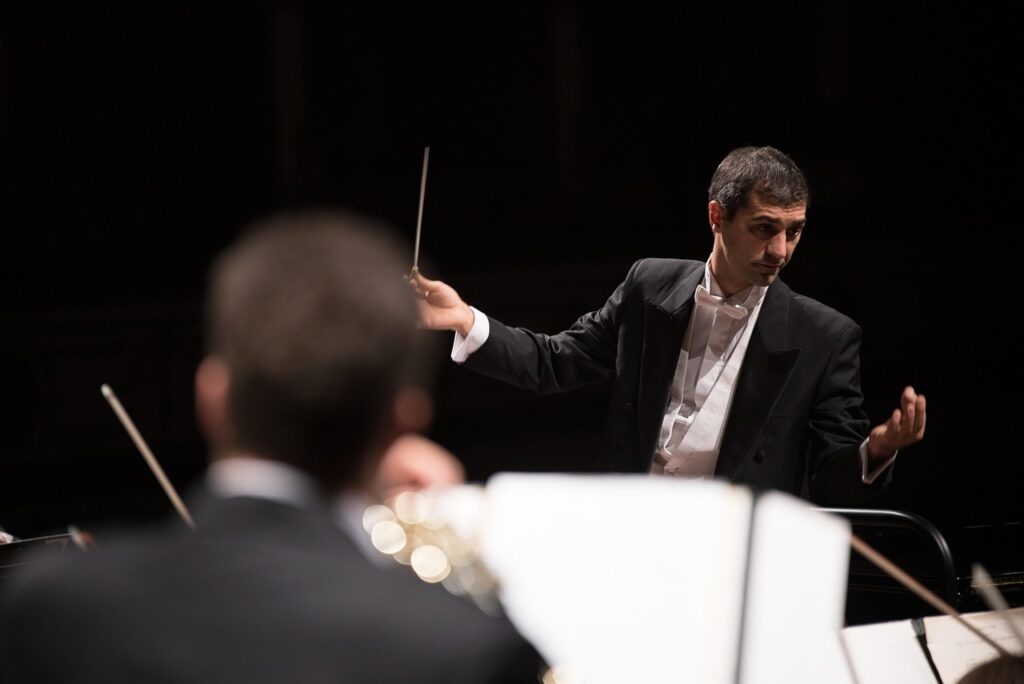

Award-winning filmmaker and composer Sumathy Ram launched her highly anticipated symphonic cantata, “United We Stand Tall,” across global streaming platforms this week, marking a significant milestone in cross-border artistic collaboration. Created to address rising global fragmentation, the ambitious musical project unites international instrumentalists and vocalists in a powerful, multi-layered call for global solidarity. By blending diverse cultural traditions into a singular symphonic movement, Ram seeks to demonstrate the unifying power of music in an increasingly divided world.
A Legacy of Musical Storytelling
For more than two decades, Ram has positioned music at the absolute center of her creative practice, viewing it not merely as an accompaniment, but as a primary narrative driver. Her previous cinematic works have consistently explored the intersections of identity, heritage, and human connection through rich sonic landscapes. This latest endeavor builds upon her reputation for integrating classical Indian music sensibilities with Western orchestral arrangements, reflecting a broader movement toward multicultural acoustic projects.
The release comes at a time when the global music industry is undergoing a structural shift toward cross-cultural hybridization. As digital distribution lowers geographical barriers, artists are increasingly looking beyond their local borders to find fresh creative voices. Ram’s new cantata serves as a prime case study of this evolution, demonstrating how traditional symphonic structures can adapt to accommodate global folk influences.
Crafting a Global Symphony Across Continents
The production of “United We Stand Tall” features contributions from over fifty musicians recorded across three continents, including Asia, Europe, and North America. Sound engineers in Chennai, London, and New York synchronized the complex arrangements using high-speed digital audio workstations and real-time collaboration tools. The final mix seamlessly integrates a traditional four-part Western choir with classical Indian instruments such as the sitar, sarod, and bansuri flute.
Rather than gathering in a single physical studio, the artists collaborated asynchronously across different time zones, utilizing cloud-based recording technology. Ram directed the recording sessions via high-definition video links, guiding vocalists and instrumentalists through intricate rhythmic shifts. This decentralized production model allowed the project to incorporate highly specialized local musicians who otherwise would have faced significant travel and visa barriers.
Data and Industry Trends Support Collaborative Models
Recent data from the International Federation of the Phonographic Industry (IFPI) highlights a sharp rise in international musical collaborations, with cross-border tracks increasing by over 40% in the last five years. Industry analysts attribute this surge to the democratization of high-end recording technology and a shifting consumer appetite toward diverse, non-English vocal traditions. Ram’s project exemplifies this shift, proving that independent creators can orchestrate complex, high-caliber global ensembles without major studio backing.
Musicologists point out that projects like “United We Stand Tall” also preserve endangered musical traditions by placing them in contemporary, high-profile contexts. By giving equal weight to classical orchestral instruments and regional folk elements, the cantata challenges the historical hegemony of Western classical music. This approach creates a more democratic sonic space where different cultural expressions coexist on equal terms.
Future Horizons for Transnational Art
The successful release of “United We Stand Tall” signals a new era for independent filmmakers and composers seeking to bypass traditional distribution gatekeepers. Music supervisors expect projects of this nature to find lucrative placements in international documentary cinema, global advertising campaigns, and streaming platform soundtracks. The fusion of high production values with authentic cultural storytelling makes such works highly attractive to modern, globally-minded audiences.
Looking ahead, industry observers will closely monitor how audiences respond to the live, multimedia performances of the cantata planned for late 2024. Ram plans to incorporate real-time visual projections and interactive digital elements into the live concerts, further blurring the lines between cinema, technology, and classical performance. As virtual reality and spatial audio technologies continue to mature, the framework established by Ram could serve as a blueprint for the next generation of immersive, globally-sourced musical experiences.