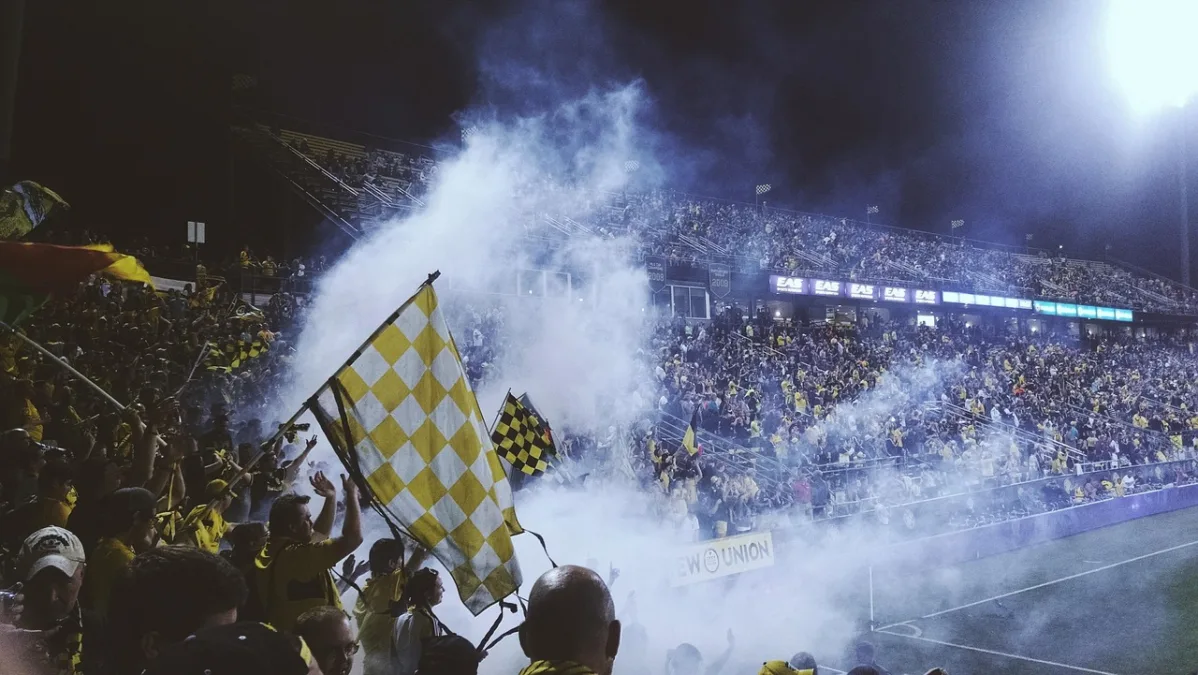







As the United States, Canada, and Mexico prepare to co-host the 2026 FIFA World Cup, the tournament is facing intense scrutiny over the intersection of global sports and escalating geopolitical conflicts. Critics are increasingly vocal about the moral complexities of hosting the world’s most prestigious football event in a host nation currently deeply entangled in global military and political controversies, raising questions about whether the tournament’s image is being compromised by the host’s foreign policy.
The Weight of Global Politics in Football
FIFA has long maintained a policy of political neutrality, yet the 2026 tournament represents a departure from recent norms. By awarding the hosting rights to North America, the organization has placed the spotlight on a region that plays a central role in several ongoing international disputes.
Observers note that the optics of hosting a celebration of global unity in a country actively funding or engaging in international conflicts create a dissonance for fans. This scrutiny mirrors the controversies seen during the 2022 Qatar World Cup, where human rights concerns dominated the discourse surrounding the event.
Historical Precedents and the Business of Sport
Historically, sporting mega-events have always been used as vehicles for soft power, a concept often referred to as “sportswashing.” While the U.S. has hosted the tournament previously in 1994, the current global landscape is significantly more polarized.
Industry analysts suggest that FIFA’s decision-making process is driven primarily by commercial interests rather than geopolitical alignment. With the 2026 tournament expanding to 48 teams, the logistical and financial capacity of the North American hosts remains unmatched, regardless of the political fallout.
Expert Perspectives on Hosting Standards
Human rights organizations and political commentators argue that the criteria for hosting should include a higher standard of global conduct. According to recent data from the International Federation of Human Rights, the scrutiny on host nations is at an all-time high as digital media allows for real-time global monitoring of state actions.
Sports economists emphasize that while the fan experience may remain unaffected, the brand value of the FIFA World Cup is increasingly vulnerable. If the tournament becomes a lightning rod for protests or political boycotts, it could impact sponsorship deals and viewership demographics in neutral markets.
Implications for the Future of Global Sport
For the average fan, the 2026 World Cup represents a test of whether international sports can remain a neutral ground in an era of heightened fragmentation. The industry must now grapple with the reality that no host nation exists in a vacuum, and the actions of a host government will inevitably become part of the tournament’s narrative.
Moving forward, stakeholders will be watching closely to see if FIFA implements new vetting protocols for future host bids to avoid similar controversies. Observers should also monitor potential protests or diplomatic incidents during the 2026 lead-up, which could set a precedent for how host cities manage international political fallout during large-scale athletic gatherings.