









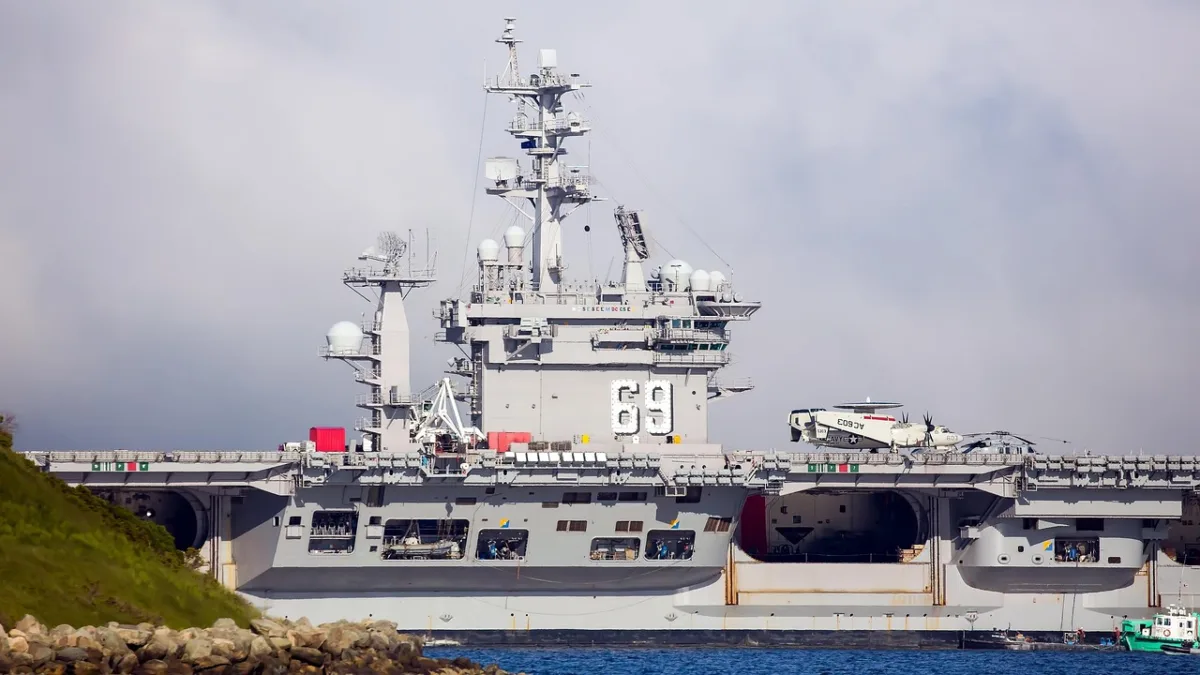
Escalation in the Strait of Hormuz
United States military forces launched a second consecutive day of strikes against multiple targets within Iran on Wednesday, June 10, following an explicit directive from President Donald Trump to retaliate for the downing of a U.S. Apache helicopter over the Strait of Hormuz. U.S. Central Command confirmed the operation began at 5:15 p.m. ET, marking a significant intensification of hostilities that effectively signals the collapse of a two-month-old ceasefire between the two nations.
Context of the Conflict
The current military engagement stems from the loss of a U.S. Apache helicopter, an incident that President Trump directly attributed to Iranian forces. The Strait of Hormuz, a critical maritime chokepoint for global oil supplies, has long been a flashpoint for regional friction. Before this week’s strikes, a fragile ceasefire had held for roughly sixty days, providing a brief respite from the cyclical confrontations that have characterized U.S.-Iran relations throughout the administration’s tenure.
Military and Strategic Dynamics
The decision to initiate follow-up strikes suggests a shift in U.S. military posture from defensive posturing to an active, sustained campaign. By targeting multiple locations, the Pentagon aims to degrade Iranian capabilities that threaten regional stability and freedom of navigation. Analysts suggest that these strikes represent a calculated move to re-establish deterrence after the loss of high-value military assets.
Expert Perspectives
Security experts note that the destruction of a U.S. military asset in such a sensitive region necessitates a proportional response to maintain credibility. According to recent Pentagon reports, the administration’s strategy focuses on neutralizing specific launch sites and command centers utilized for anti-access and area-denial operations. The rapid pace of these strikes highlights a departure from previous diplomatic overtures, prioritizing immediate tactical dominance over long-term negotiated settlements.
Broader Implications
The collapse of the ceasefire carries profound implications for global energy markets and regional security alliances. As the conflict intensifies, the probability of further disruption to commercial shipping in the Strait of Hormuz increases, potentially driving up crude oil prices. Furthermore, neighboring countries in the Gulf are now facing heightened pressure to declare their alignment, as the window for a de-escalation of hostilities appears to be closing rapidly.
What to Watch Next
Observers are now monitoring for retaliatory measures from Tehran and the potential for a wider regional conflict. Analysts are specifically watching for any shifts in Iranian naval deployments or unconventional warfare tactics that could target U.S. naval assets or regional infrastructure. Future developments will likely depend on whether the administration pursues further kinetic actions or if international diplomatic channels can be reopened to prevent a full-scale regional war.