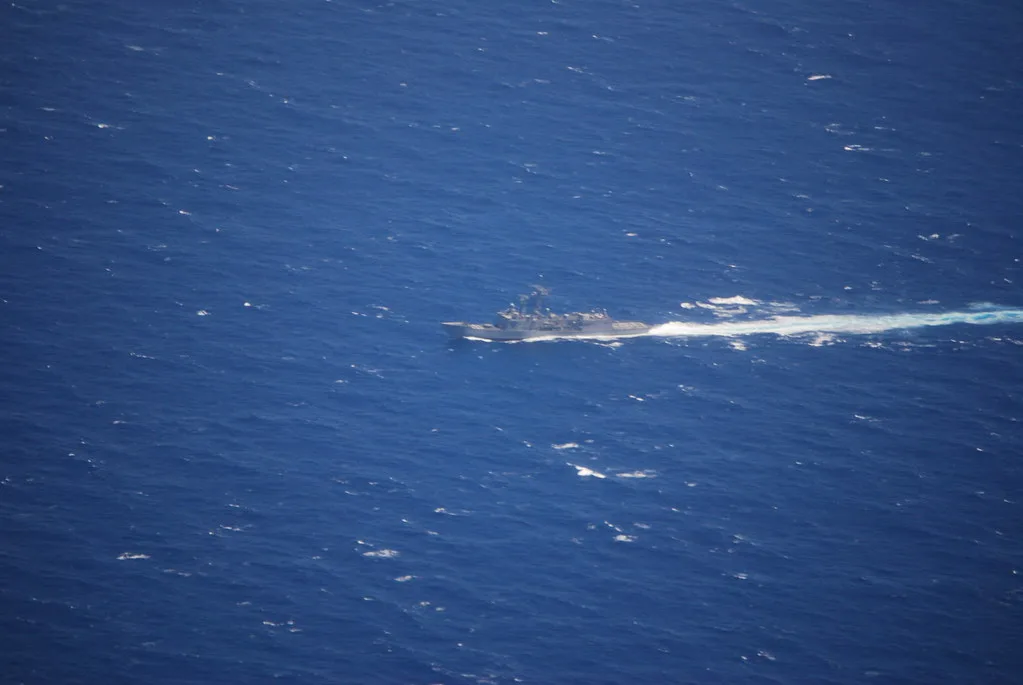










The Escalation of Regional Hostilities
The United States military launched a second consecutive wave of precision strikes against Iranian targets this week, signaling a sharp escalation in regional tensions. Secretary of Defense Pete Hegseth defended the aggressive posture, framing the campaign as a necessary strategy to compel Tehran to negotiate under the pressure of kinetic force. The strikes, which have targeted critical infrastructure including major water reservoirs, follow a broader pattern of instability that has seen US assets, including a helicopter near the Strait of Hormuz, face increasing threats in the region.
Contextualizing the Conflict
This latest round of military engagement marks a departure from previous containment strategies, moving toward a policy of direct, high-impact disruption. The conflict has intensified following months of posturing regarding maritime security and regional proxy activities. By targeting essential civilian infrastructure, such as water supply systems that reportedly serve over 20,000 homes, the US is leveraging domestic pressure within Iran to force a shift in diplomatic behavior.
Strategic Objectives and Military Impact
Defense analysts observe that the current US strategy is designed to degrade Iran’s logistical capabilities while simultaneously signaling a refusal to tolerate further maritime harassment. The deployment of air power against dual-use facilities represents an attempt to bypass traditional diplomatic channels that have largely stalled. The Pentagon maintains that these strikes are proportionate responses to ongoing provocations, though the targeting of non-military infrastructure has drawn scrutiny from international observers regarding the long-term humanitarian impact.
Expert Perspectives on Regional Stability
Security experts note that the strategy of ‘negotiating with bombs’ carries significant risks of miscalculation. According to regional policy researchers, the destruction of critical infrastructure may incite a nationalist backlash, potentially hardening the Iranian government’s resolve rather than fostering a path to the bargaining table. The logistical strain on local populations, particularly those currently suffering from water supply disruptions, creates a volatile environment where unintended escalation remains a constant threat.
The Broader Geopolitical Landscape
The incident involving a downed US helicopter near the Strait of Hormuz underscores the precarious nature of the current stand-off. This vital maritime chokepoint remains a focal point for global oil transit, and any sustained disruption threatens to destabilize international energy markets. As the US increases its military tempo, the burden of managing these risks falls on both regional allies and international mediators who fear that a localized skirmish could spiral into a wider regional confrontation.
Future Implications and What to Watch
The primary concern for global stakeholders is whether these strikes will achieve their stated objective of bringing Iran back to the negotiating table or if they will trigger a reciprocal response. Observers should monitor upcoming statements from the Iranian leadership for indications of retaliation or a potential shift in diplomatic tone. Furthermore, the longevity of these strikes will likely determine the threshold for international intervention and the potential for a humanitarian crisis, as the disruption of essential services continues to affect civilian populations on the ground.